Research Articles
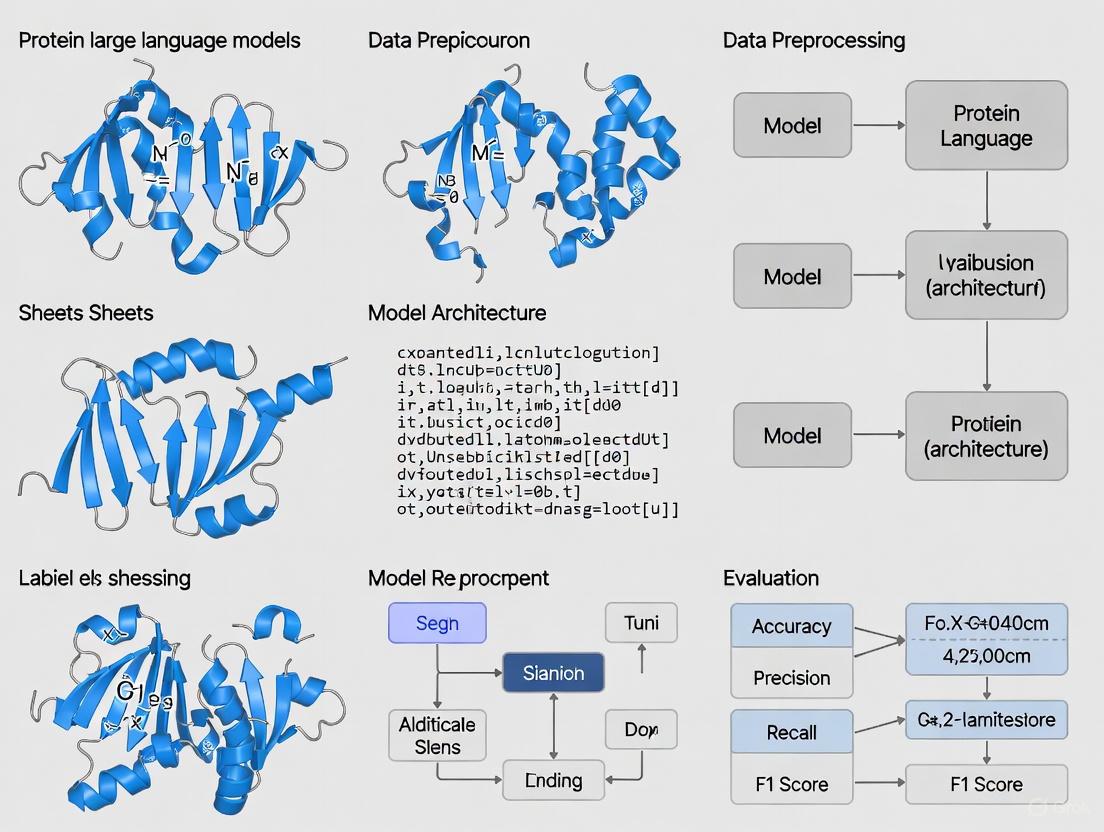
Comparative Assessment of Protein Large Language Models: Performance, Applications, and Future Directions in Bioinformatics and Drug Discovery
Protein Large Language Models (PLMs), built on transformer architectures, are revolutionizing the analysis of protein sequences for function prediction, structure determination, and de novo design.
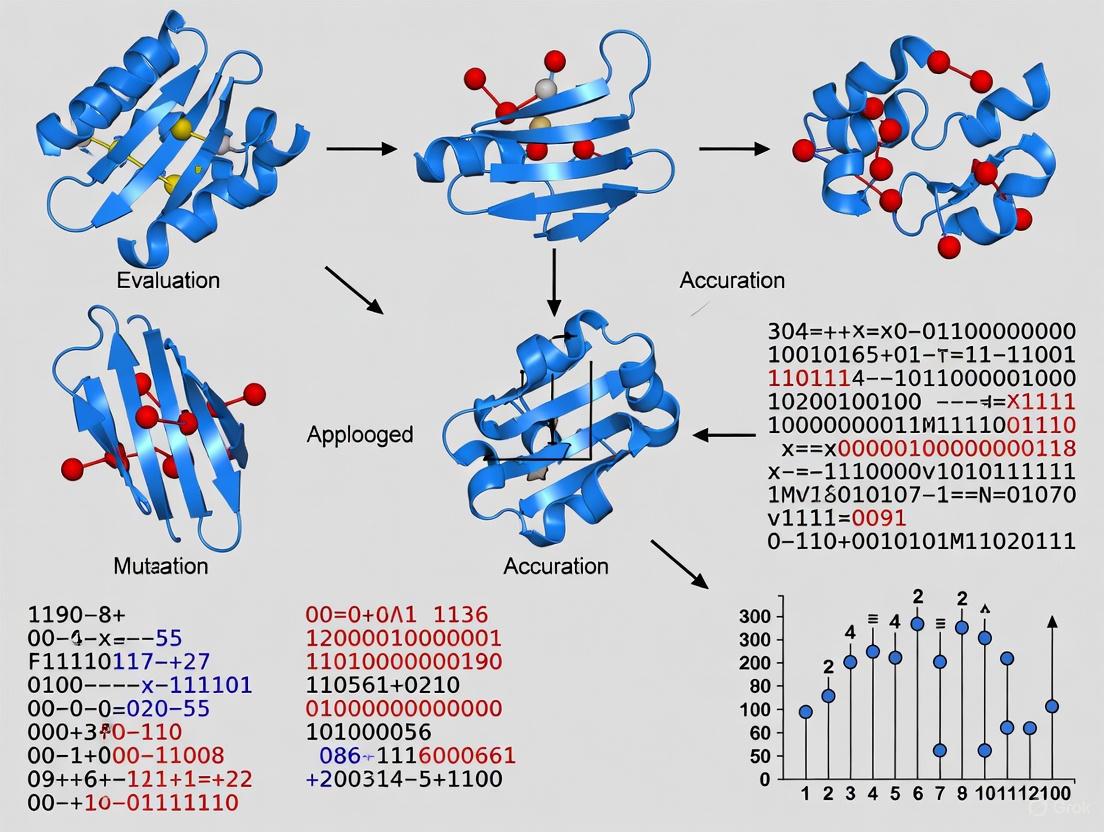
Evaluating Mutation Effect Prediction Accuracy: From Traditional Algorithms to AI-Driven Models
This article provides a comprehensive evaluation of mutation effect prediction tools for researchers and drug development professionals.
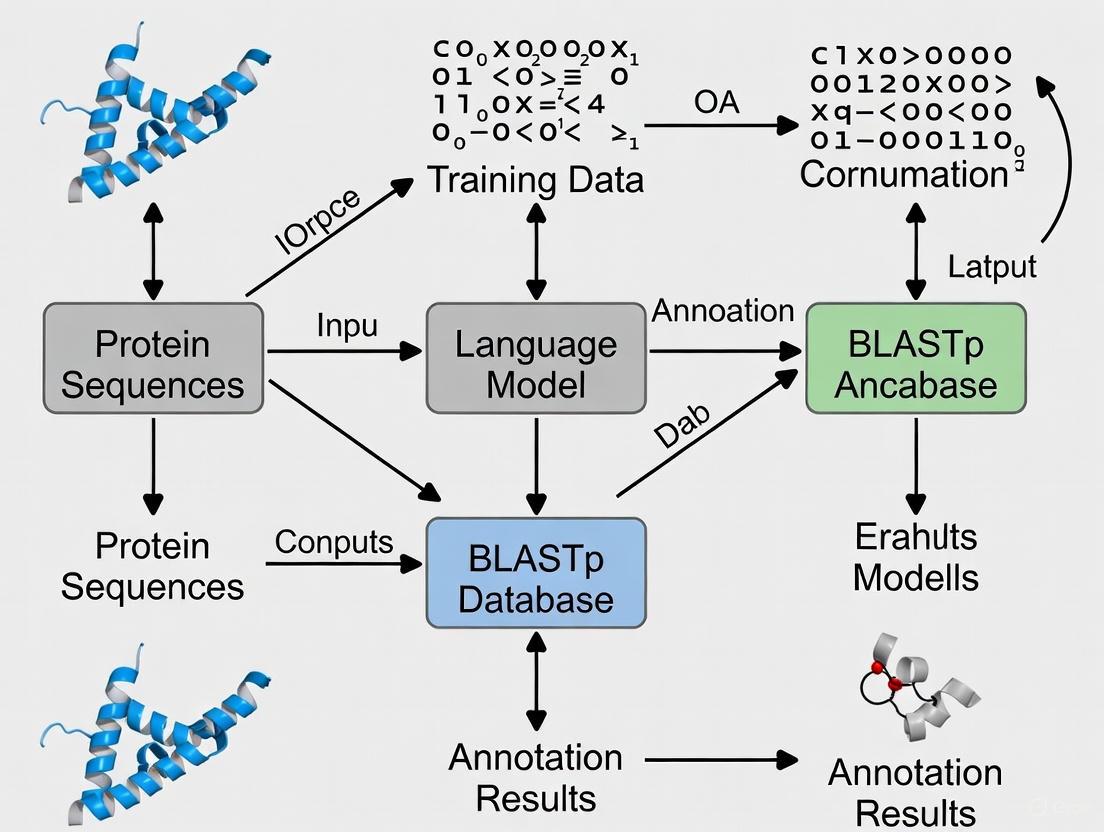
Protein Language Models vs. BLASTp: A Comparative Guide for Modern Enzyme Annotation
This article provides a comprehensive analysis for researchers and drug development professionals on the evolving landscape of protein function annotation, focusing on the comparative strengths of traditional BLASTp and emerging...
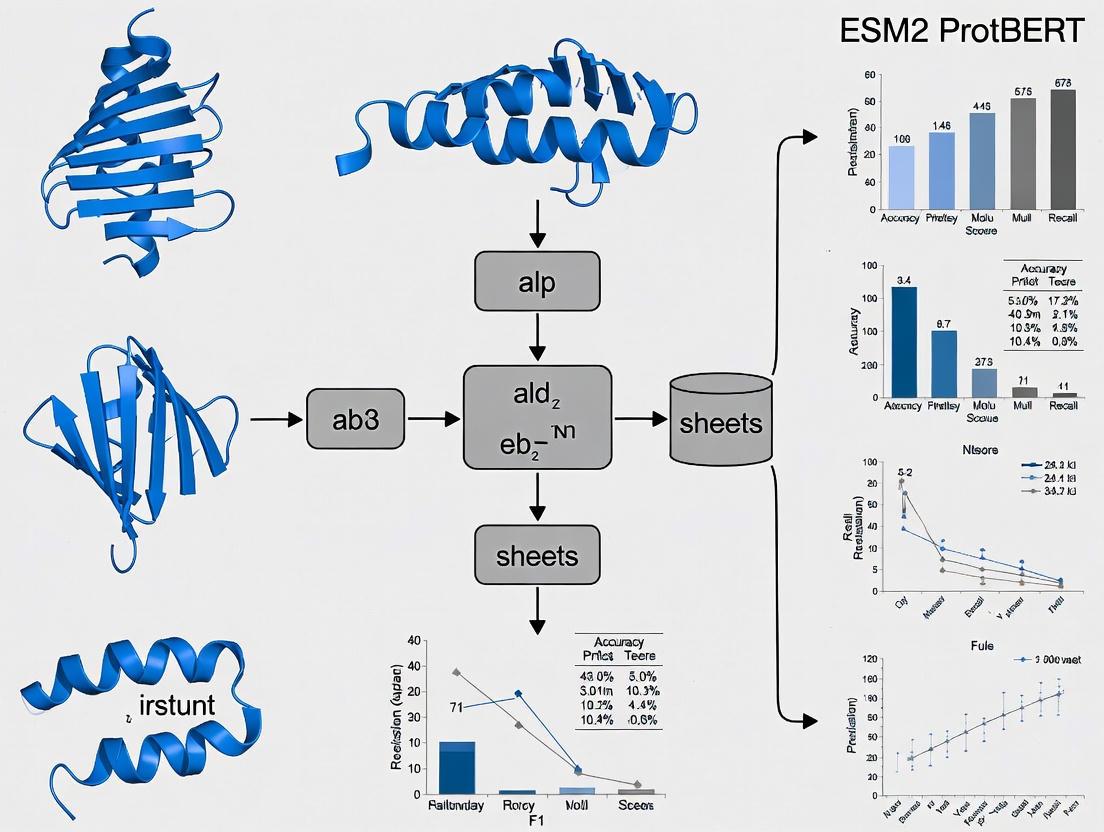
ESM-2 vs ProtBERT: A Comprehensive Performance Comparison for Protein Function Prediction and Biomedical Applications
This comprehensive analysis compares two leading protein language models—ESM-2 and ProtBERT—across multiple biological prediction tasks including enzyme function annotation, cell-penetrating peptide prediction, and protein-protein interactions.
CAPE: Critical Assessment of Protein Engineering - A Community-Driven Framework for Accelerating Discovery
This article explores the Critical Assessment of Protein Engineering (CAPE), a student-focused competition and collaborative platform that is accelerating computational protein design.
Benchmark Datasets for Protein Engineering: A 2025 Guide to Evaluation, Application, and Best Practices
This article provides a comprehensive guide to the foundational benchmark datasets powering modern protein engineering.
Mitigating Pathological Behaviors in Proxy Models: Strategies for Biomedical and AI Applications
This article provides a comprehensive analysis of pathological behaviors in proxy models—simplified substitutes for complex systems used in fields from drug development to artificial intelligence.
Engineering Protein Thermostability: AI-Driven Methods, Practical Applications, and Future Directions for Biomedical Research
This article provides a comprehensive overview of modern strategies for enhancing protein thermostability, a critical challenge in developing effective biopharmaceuticals and industrial enzymes.
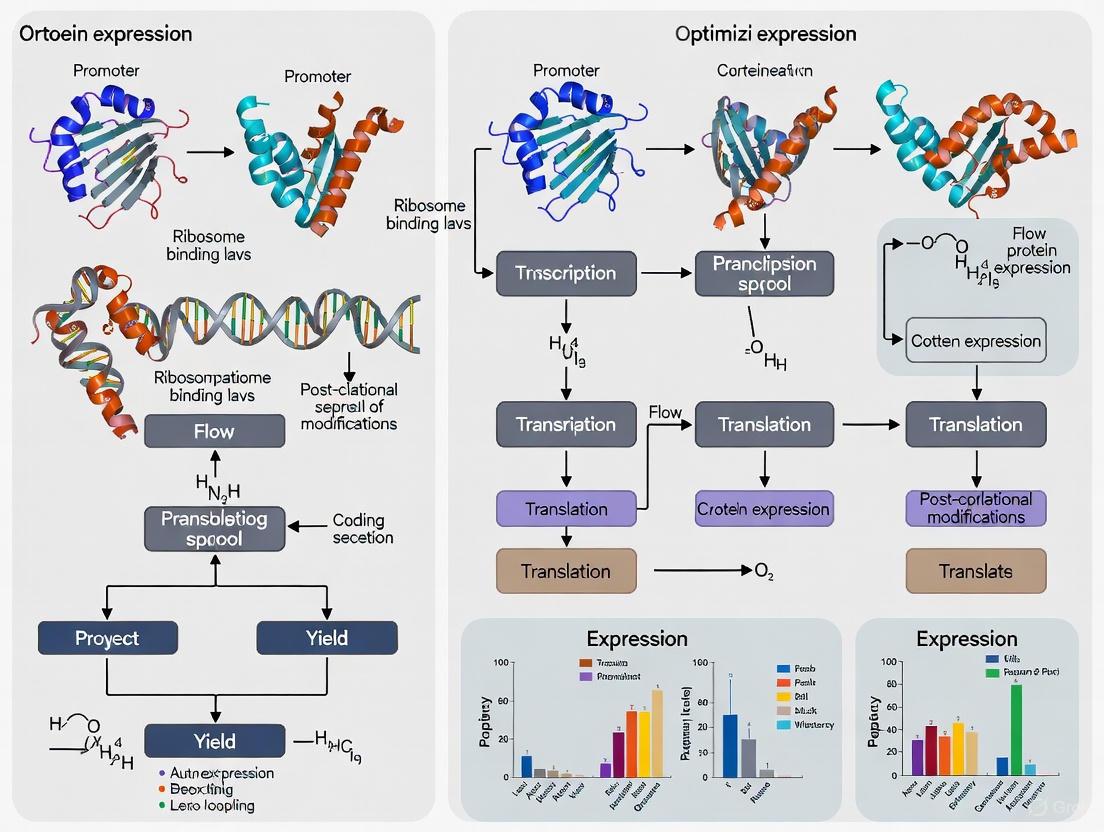
Optimizing Protein Expression in E. coli: A Comprehensive Guide from Foundations to High-Yield Production
This article provides a systematic guide for researchers and drug development professionals on optimizing recombinant protein expression in Escherichia coli.
Balancing Exploration and Reliability in Protein Design: Strategies for Safe Optimization and Functional Validation
This article addresses the critical challenge of balancing exploration of novel protein sequences with reliable predictions in computational protein design.