Semi-Rational Protein Design: Bridging Computational Modeling and Experimental Science for Next-Generation Therapeutics
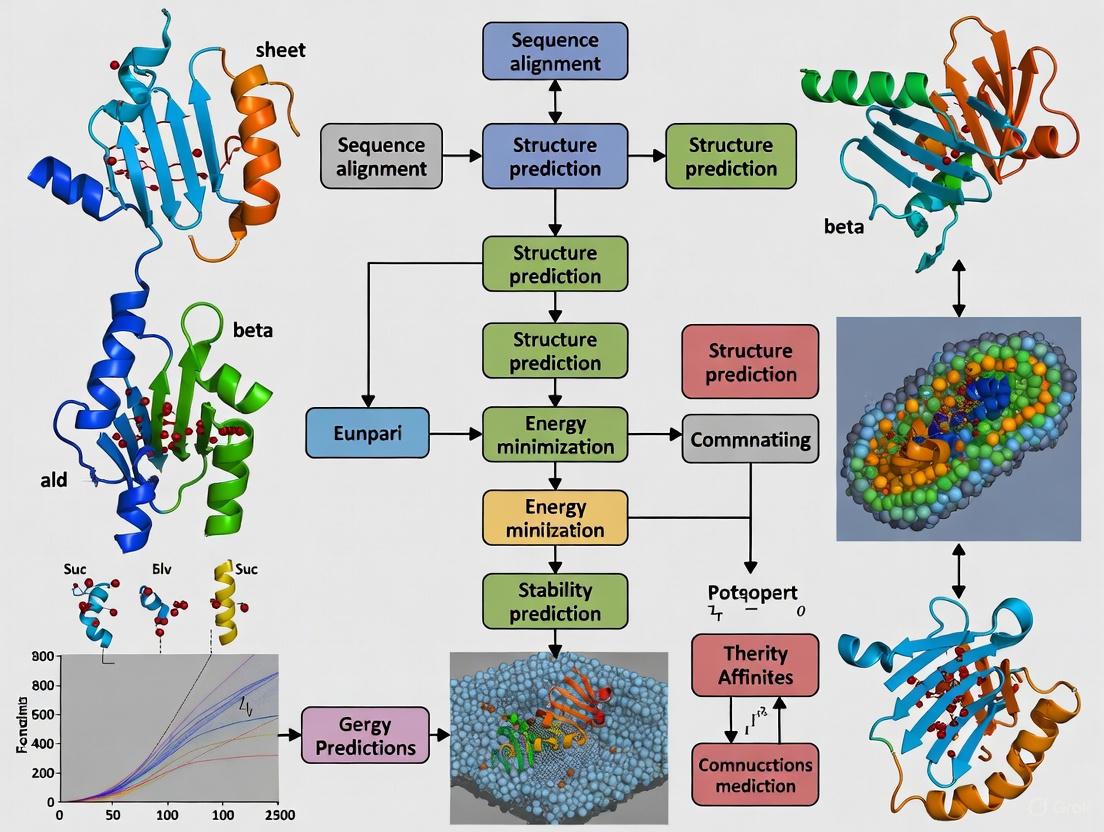
This article provides a comprehensive overview of semi-rational protein design, a powerful methodology that synergistically combines computational modeling with experimental screening to engineer proteins with novel or enhanced functions.
Semi-Rational Protein Design: Bridging Computational Modeling and Experimental Science for Next-Generation Therapeutics
Abstract
This article provides a comprehensive overview of semi-rational protein design, a powerful methodology that synergistically combines computational modeling with experimental screening to engineer proteins with novel or enhanced functions. Aimed at researchers, scientists, and drug development professionals, it explores the foundational principles of moving beyond traditional directed evolution. The scope covers key computational tools and strategies for designing high-quality, small libraries, addresses common challenges and optimization techniques, and validates the approach through comparative analysis with other methods. The article concludes by examining the transformative impact of integrating artificial intelligence and advanced data-driven approaches on the future of protein engineering in biomedicine.
Beyond Directed Evolution: The Principles and Power of Semi-Rational Design
Semi-rational protein design represents a powerful hybrid methodology that strategically combines elements of rational design and directed evolution to accelerate the engineering of improved biocatalysts. This approach utilizes computational and bioinformatic analyses to identify promising "hotspot" residues for mutagenesis, creating smart libraries that are significantly smaller yet enriched with functional variants compared to traditional random mutagenesis libraries [1] [2]. By focusing experimental efforts on limited sets of residues predicted to be functionally important, semi-rational design dramatically reduces the experimental burden of library screening while maintaining a broad exploration of sequence space at targeted positions [3]. This methodology has transformed protein engineering from a largely discovery-based process toward a more hypothesis-driven discipline, enabling researchers to efficiently tailor enzymes for industrial applications including biocatalysis, therapeutics, and biomaterial development [1] [3].
The fundamental advantage of semi-rational design lies in its balanced approach. While traditional directed evolution requires creating and screening extremely large libraries (often millions of variants) through iterative cycles of random mutagenesis, and pure rational design demands complete structural and mechanistic understanding to predict effective mutations, the semi-rational pathway navigates between these extremes [4] [5]. It acknowledges the limitations in our current ability to perfectly predict protein behavior while leveraging available structural and evolutionary information to make informed decisions about which regions of sequence space to explore experimentally [6]. This practical compromise has proven exceptionally effective, with many successful engineering campaigns requiring the evaluation of fewer than 1000 variants to achieve significant improvements in enzyme properties such as stability, activity, and enantioselectivity [1] [2].
Conceptual Framework and Key Principles
Theoretical Foundations
Semi-rational design operates on the principle that not all amino acid positions contribute equally to specific protein functions. By identifying and targeting evolutionarily variable sites or structurally strategic positions, researchers can create focused libraries that sample a higher proportion of beneficial mutations [1] [5]. This approach recognizes that natural evolution has already explored certain sequence variations across protein families, information that can be harnessed through analysis of homologous sequences [1]. The methodology further acknowledges that proteins possess modular features where specific regions often control distinct properties, allowing for targeted optimization of particular functions without completely random exploration [6].
The theoretical framework incorporates both sequence-based and structure-based principles. From a sequence perspective, positions that show variation across homologs but maintain structural constraints represent potential engineering targets [5]. From a structural perspective, residues lining substrate access tunnels, forming active site walls, or located at domain interfaces often control key catalytic properties even when they don't participate directly in chemistry [1] [6]. This understanding enables the strategic selection of residues for mutagenesis based on their potential influence on the desired function, whether it be substrate specificity, enantioselectivity, or thermostability [6] [5].
Comparison with Traditional Approaches
Table 1: Comparison of Protein Engineering Strategies
| Feature | Directed Evolution | Rational Design | Semi-Rational Design |
|---|---|---|---|
| Library Size | Very large (10⁴-10⁶ variants) | Small (often <10 variants) | Focused (10²-10⁴ variants) |
| Structural Knowledge Required | Minimal | Extensive | Moderate |
| Computational Requirements | Low | High | Moderate to High |
| Experimental Throughput Needed | Very high | Low | Moderate |
| Mutation Strategy | Random across entire gene | Specific predetermined mutations | Targeted randomization at selected positions |
| Success Rate | Low but broad | High when structure-function well understood | Higher than directed evolution |
Semi-rational design occupies a strategic middle ground between two established protein engineering paradigms. Unlike traditional directed evolution, which relies on random mutagenesis of the entire gene and high-throughput screening of very large libraries, semi-rational approaches incorporate prior knowledge to create smaller, smarter libraries [4] [5]. This significantly reduces the screening burden while increasing the likelihood of identifying improved variants [1]. Conversely, unlike pure rational design that requires complete structural and mechanistic understanding to predict specific point mutations, semi-rational methods allow for limited randomization at targeted positions, accommodating gaps in our knowledge of structure-function relationships [6] [5].
The key advantage of semi-rational design emerges from this balanced approach. While rational design can be limited by imperfect structural knowledge and directed evolution by the vastness of sequence space, semi-rational design uses available information to constrain the search space to promising regions [1] [2]. This enables researchers to navigate protein sequence landscapes more efficiently, often achieving significant improvements in fewer iterative cycles and with substantially less screening effort [4]. The methodology is particularly valuable when engineering complex enzyme properties like enantioselectivity, where subtle changes in active site geometry can dramatically influence catalytic outcomes [6] [5].
Computational Tools and Methods
Sequence-Based Analysis Tools
Sequence-based methods leverage evolutionary information to identify promising target residues for protein engineering. Multiple sequence alignment (MSA) of homologous proteins helps identify conserved and variable positions, with "back-to-consensus" mutations often improving stability [5]. The 3DM database system automates superfamily analysis by integrating sequence and structure data from GenBank and PDB, allowing researchers to quickly identify evolutionarily allowed substitutions at specific positions [1]. This approach proved highly effective in engineering Pseudomonas fluorescens esterase, where a library designed with 3DM guidance yielded variants with 200-fold improved activity and significantly enhanced enantioselectivity, outperforming controls with random or evolutionarily disallowed substitutions [1].
The HotSpot Wizard server represents another powerful sequence-based tool that combines evolutionary information with structural data to create mutability maps for target proteins [1]. This web server performs extensive sequence and structure database searches integrated with functional data to recommend positions for mutagenesis, successfully guiding the engineering of haloalkane dehalogenase from Rhodococcus rhodochrous for improved catalytic activity [1]. These sequence-based tools are particularly valuable when high-quality structural information is limited, as they can identify functionally important residues based solely on evolutionary patterns.
Structure-Based Analysis Tools
When high-resolution structures are available, structure-based tools provide powerful platforms for identifying engineering targets. CAVER software analyzes protein tunnels and channels, identifying residues that control substrate access or product egress [6]. This approach helped explain and further improve haloalkane dehalogenase variants, where beneficial mutations optimized access tunnels rather than directly modifying the active site [1]. YASARA offers a user-friendly interface for structure visualization, hotspot identification, and molecular docking, with built-in capabilities for homology modeling when experimental structures are unavailable [6].
Molecular dynamics (MD) simulations provide dynamic information beyond static structures, identifying flexible regions and conformational changes relevant to catalysis [6]. MD simulations have proven valuable for understanding the structural basis of enantioselectivity and for identifying distal mutations that influence enzyme function through allosteric effects or dynamic networks [6] [5]. For example, MD simulations of phenylalanine ammonia lyase revealed how loop flexibility controls reaction specificity, enabling engineering to alter enzyme function [6].
Advanced Computational Design Frameworks
Rosetta Design represents a comprehensive computational framework for enzyme redesign and de novo enzyme design [1] [6]. Its algorithm involves identifying optimal geometries for transition state stabilization (theozymes), searching for compatible protein scaffolds (RosettaMatch), and optimizing the active site pocket (RosettaDesign) [6]. This approach has successfully created novel enzymes for non-biological reactions, including Diels-Alderase catalysts [1]. The FRESCO (Framework for Rapid Enzyme Stabilization by Computational Libraries) pipeline enables computational prediction of stabilizing mutations, generating virtual libraries that are screened in silico before experimental validation [6].
Machine learning approaches are emerging as powerful tools for predicting sequence-function relationships. One study demonstrated that a group-wise sparse learning algorithm could predict microbial rhodopsin absorption wavelengths from amino acid sequences with an average error of ±7.8 nm, additionally identifying previously unknown color-tuning residues [7]. Such data-driven methods become increasingly powerful as experimental datasets grow, offering complementary approaches to physics-based modeling.
Experimental Protocols and Methodologies
Protocol 1: Coevolutionary Analysis and Multidimensional Virtual Screening (Co-MdVS)
The Co-MdVS strategy represents an advanced semi-rational protocol that combines coevolutionary analysis with multi-parameter computational screening to identify stabilizing mutations [8].
Step-by-Step Procedure
Sequence Collection and Alignment: Collect homologous sequences of the target enzyme (e.g., nattokinase) from public databases. Perform multiple sequence alignment using tools like ClustalW or MUSCLE.
Coevolutionary Analysis: Identify coevolving residue pairs using direct coupling analysis (DCA) or similar methods. These pairs represent evolutionarily correlated positions that likely influence protein stability.
Virtual Library Construction: Create a virtual mutation library containing single and double mutants at identified coevolutionary positions. For nattokinase, this generated 7980 virtual mutants [8].
Multidimensional Virtual Screening:
- Calculate folding free energy changes (ΔΔG) using tools like FoldX or Rosetta.
- Perform molecular dynamics simulations to determine dynamic parameters: root mean square deviation (RMSD), radius of gyration (Rg), and hydrogen bond counts.
- Screen mutants based on combined criteria: negative ΔΔG, reduced RMSD and Rg, increased hydrogen bonds compared to wild-type.
Experimental Validation: Select top-ranked mutants (e.g., 8 double mutants for nattokinase) for experimental characterization of thermostability, activity, and expression [8].
Iterative Combination: Combine beneficial mutations from initial hits and repeat screening if necessary. For nattokinase, this process yielded a final variant (M6) with a 31-fold increased half-life at 55°C [8].
Applications and Outcomes
This protocol successfully enhanced nattokinase robustness, with the optimal mutant M6 exhibiting significantly improved thermostability, acid resistance, and catalytic efficiency with different substrates [8]. The strategy was validated on other enzymes including L-rhamnose isomerase and PETase, demonstrating its general applicability [8].
Protocol 2: Sequence-Based Hotspot Identification and Saturation Mutagenesis
This protocol utilizes evolutionary information to identify target positions for saturation mutagenesis, particularly effective when structural data is limited.
Step-by-Step Procedure
Multiple Sequence Alignment: Compile homologous sequences (dozens to thousands) representing functional diversity within the enzyme family.
Conservation and Variability Analysis: Identify positions showing either high conservation (potential key functional residues) or high variability (potential specificity-determining residues).
Target Selection: Select 3-5 positions based on conservation patterns and proximity to active site or substrate binding regions.
Library Construction: Perform site-saturation mutagenesis at selected positions using degenerate codons (e.g., NNK codons) to create libraries of ~3000 variants.
Screening and Characterization: Screen for desired properties (activity, selectivity, stability). Isolate improved variants and sequence to identify beneficial substitutions.
Iterative Optimization: Combine beneficial mutations or perform additional rounds of saturation mutagenesis at newly identified hotspots.
Applications and Outcomes
This approach successfully engineered Pseudomonas fluorescens esterase for improved enantioselectivity, identifying variants with 200-fold improved activity and significantly enhanced stereoselectivity through mutations at just four targeted positions [1]. Similarly, engineering Bacillus-like esterase (EstA) for activity toward tertiary alcohol esters involved identifying a non-conserved position in the oxyanion hole (GGS instead of conserved GGG), with a single mutation (S to G) improving conversion by 26-fold [5].
Application Notes and Case Studies
Quantitative Results from Semi-Rational Engineering
Table 2: Representative Results from Semi-Rational Protein Engineering
| Target Enzyme | Engineering Goal | Methodology | Library Size | Key Results | Citation |
|---|---|---|---|---|---|
| Nattokinase | Improve thermostability | Co-MdVS | 8 double mutants screened | 31-fold increase in half-life at 55°C | [8] |
| Pseudomonas fluorescens esterase | Enhance enantioselectivity | 3DM analysis & SSM | ~500 variants | 200-fold activity improvement, 20-fold enantioselectivity enhancement | [1] |
| Haloalkane dehalogenase (DhaA) | Increase catalytic activity | HotSpot Wizard & MD simulations | ~2500 variants | 32-fold improved activity by restricting water access | [1] |
| Bacillus-like esterase (EstA) | Activity toward tertiary alcohol esters | MSA & site-directed mutagenesis | 1 variant | 26-fold improved conversion | [5] |
| nanoFAST protein | Expand color palette | Rational mutagenesis & fluorogen screening | 24 protein variants | Enabled red and green fluorogens in addition to original orange | [9] |
| Glutamate dehydrogenase (PpGluDH) | Enhance reductive amination activity | MSA & site-directed mutagenesis | 6 variants | 2.1-fold increased activity while maintaining soluble expression | [5] |
Case Study: Engineering Nattokinase Robustness
Nattokinase (NK), a fibrinolytic enzyme with therapeutic potential, suffers from limited stability at high temperatures and under acidic conditions. Traditional engineering approaches faced challenges due to trade-offs between stability and activity [8]. Application of the Co-MdVS strategy enabled precise redesign focusing on coevolutionary residue pairs:
Experimental Design: Researchers identified 28 coevolutionary residue pairs from analysis of 634 homologous sequences. They constructed a virtual library of 7980 mutants and applied multidimensional screening including ΔΔG calculations, RMSD, Rg, and hydrogen bond analysis [8].
Key Outcomes: From initial screening of just 8 double mutants, researchers identified several with improved properties. Iterative combination yielded mutant M6 with:
- 31-fold longer half-life at 55°C
- Enhanced acid resistance
- Improved catalytic efficiency (kcat/KM)
- Reduced flexibility in thermal and acid-sensitive regions confirmed by MD simulations [8]
This case demonstrates how semi-rational approaches can efficiently break stability-activity trade-offs by targeting evolutionarily correlated residues with precision.
Case Study: Expanding the nanoFAST Color Palette
The nanoFAST protein, smallest fluorogen-activating protein tag (98 amino acids), originally bound only a single orange fluorogen. Researchers employed semi-rational design to expand its color versatility for bioimaging:
Experimental Design: Based on structural knowledge and previous directed evolution results from the parent FAST protein, researchers introduced specific mutations at key positions (E46Q, position 52 variations, and entrance residues 68-69). They screened 24 protein variants against a library of fluorogenic compounds including arylidene-imidazolones and arylidene-rhodanines [9].
Key Outcomes: The E46Q mutation proved critical for expanding fluorogen range. Modified nanoFAST variants could now utilize red and green fluorogens in addition to the original orange, enabling multicolor imaging applications with this minimal tag. This successful engineering demonstrates how semi-rational approaches can efficiently expand protein functionality by combining structural insights with limited experimental screening [9].
The Scientist's Toolkit: Essential Research Reagents
Table 3: Key Research Reagent Solutions for Semi-Rational Design
| Reagent/Resource | Type | Function in Semi-Rational Design | Examples |
|---|---|---|---|
| 3DM Database | Bioinformatics platform | Superfamily analysis for evolutionarily allowed substitutions | Engineering esterase enantioselectivity [1] |
| HotSpot Wizard | Web server | Identification of mutable positions combining sequence and structure data | Haloalkane dehalogenase engineering [1] |
| Rosetta Software Suite | Computational design platform | De novo enzyme design, transition state stabilization, scaffold matching | Diels-Alderase design [1] [6] |
| CAVER | Structure analysis tool | Identification and analysis of substrate access tunnels and channels | Engineering substrate access in dehalogenases [6] |
| YASARA | Molecular modeling suite | Structure visualization, homology modeling, molecular docking | Residue interaction analysis and mutation prediction [6] |
| Site-Saturation Mutagenesis Kits | Experimental reagent | Creating all possible amino acid substitutions at targeted positions | Focused library generation [4] |
Workflow Visualization
Semi-Rational Design Workflow: This diagram illustrates the iterative cycle of computational analysis and experimental validation that characterizes semi-rational protein design.
Co-MdVS Strategy: This diagram outlines the coevolutionary analysis and multidimensional virtual screening protocol for enhancing enzyme robustness, demonstrating the high efficiency of this semi-rational approach.
Semi-rational protein design has established itself as a highly efficient methodology that successfully bridges the gap between purely computation-driven rational design and screening-intensive directed evolution. By leveraging the growing wealth of protein structural data, evolutionary information, and advanced computational tools, this approach enables researchers to navigate the vastness of protein sequence space with unprecedented efficiency [1] [8]. The continued development of computational methods, particularly in machine learning and molecular dynamics, promises to further enhance the precision and predictive power of semi-rational design [7] [8].
Future advances in semi-rational design will likely focus on improved prediction of allosteric effects and long-range interactions, more accurate modeling of conformational dynamics, and better integration of high-throughput experimental data to refine computational models [1] [6]. As these methods mature, semi-rational approaches will play an increasingly central role in engineering enzymes for sustainable chemistry, therapeutic applications, and novel biomaterials, accelerating the development of biocatalysts tailored to specific industrial needs [3] [8]. The integration of semi-rational design with automated laboratory systems and high-throughput characterization techniques will further streamline the protein engineering pipeline, making customized enzyme development more accessible and efficient across diverse applications.
The Shift from Large Combinatorial Libraries to Small, Functionally-Rich Libraries
The field of protein engineering is undergoing a significant transformation, moving away from brute-force screening of massive combinatorial libraries toward the design of focused, functionally enriched libraries. This paradigm shift is driven by the recognition that randomly generated sequences rarely fold into well-ordered proteinlike structures, making conventional approaches inefficient for discovering novel proteins with desired activities [10]. Traditional saturation mutagenesis techniques, which use degenerate codons to encode all 20 amino acids, explore only a tiny fraction of possible sequence space while consuming substantial experimental resources [11] [1]. In contrast, semi-rational design strategies leverage computational modeling, structural biology insights, and artificial intelligence to create smaller, smarter libraries highly enriched for stable, functional variants [1]. This approach has become increasingly viable due to advances in bioinformatics and the growing availability of detailed enzyme crystal structures, enabling researchers to preselect promising target sites and limited amino acid diversity [12] [1]. The result is dramatically improved efficiency in protein engineering campaigns, often requiring fewer iterations and eliminating the need for ultra-high-throughput screening methods while providing an intellectual framework to predict and rationalize experimental findings [1].
Key Methodological Approaches
Sequence-Based Design Using Evolutionary Information
Sequence-based methods leverage evolutionary information to identify functional hotspots and acceptable amino acid substitutions. By analyzing multiple sequence alignments (MSAs) and phylogenetic relationships among homologous proteins, researchers can identify evolutionarily conserved positions and residues with high natural variability [1]. Tools like the 3DM database systematically integrate protein sequence and structure data from GenBank and the PDB to create comprehensive alignments of protein superfamilies, enabling researchers to identify correlated mutations and conservation patterns [1]. Similarly, the HotSpot Wizard server combines information from extensive sequence and structure database searches with functional data to create mutability maps for target proteins [1]. These approaches were successfully applied to engineer Pseudomonas fluorescens esterase, where a library focused on evolutionarily allowed substitutions significantly outperformed controls with random or non-allowed substitutions, yielding variants with higher frequency and superior catalytic performance [1].
Structure-Based Computational Design
Structure-based methods utilize protein three-dimensional structural information to design optimized libraries. The Structure-based Optimization of Combinatorial Mutagenesis (SOCoM) method exemplifies this approach, using structural energies to optimize combinatorial mutagenesis libraries [13]. SOCoM employs cluster expansion (CE) to transform structure-based evaluation into a function of amino acid sequence that can be efficiently assessed and optimized, choosing both positions and substitutions that maximize library quality [13] [11]. This method enables the design of libraries enriched with stable variants while covering substantial sequence diversity. In application case studies targeting green fluorescent protein, β-lactamase, and lipase A, SOCoM-designed libraries achieved variant energies comparable to or better than previous library design efforts while maintaining greater diversity than representative random library approaches [13]. Another structure-based strategy involves analyzing and engineering access tunnels to enzyme active sites, as demonstrated with Rhodococcus rhodochrous haloalkane dehalogenase (DhaA), where mutations affecting product release pathways led to 32-fold improved activity [1].
Binary Patterning for De Novo Protein Design
The binary code strategy represents a powerful approach for designing novel proteins from scratch by specifying the pattern of polar and nonpolar residues while varying their precise identities [10]. This method constrains sequences to favor the formation of amphiphilic secondary structures that can anneal into well-defined tertiary structures. For α-helical bundles, polar and nonpolar residues are arranged with a periodicity of 3.6 residues per turn, while for β-sheets, residues alternate with a periodicity of 2.0 [10]. Combinatorial diversity is introduced using degenerate genetic codons: polar residues (Lys, His, Glu, Gln, Asp, Asn) are encoded by VAN, and nonpolar residues (Met, Leu, Ile, Val, Phe) by NTN [10]. This approach has successfully produced well-ordered structures, cofactor binding, catalytic activity, self-assembled monolayers, amyloid-like nanofibrils, and protein-based biomaterials [10]. The solution structure of a binary-patterned four-helix bundle (S-824) confirmed the formation of a nativelike protein with proper segregation of polar and nonpolar residues, despite the combinatorial approach not explicitly designing specific side-chain interactions [10].
Table 1: Comparison of Semi-Rational Library Design Strategies
| Method | Key Principle | Library Size | Advantages | Example Applications |
|---|---|---|---|---|
| Sequence-Based Design | Evolutionary conservation and variability analysis from multiple sequence alignments | Small to medium (~100-1000 variants) | Leverages natural evolutionary optimization; identifies functionally important positions | Esterase enantioselectivity improvement [1]; Prolyl endopeptidase stability enhancement [1] |
| Structure-Based Design (SOCoM) | Cluster expansion of structural energies for library optimization | Small to very large (thousands to billions) | Directly optimizes for structural stability; enables design of large diverse libraries with high quality | GFP core libraries [13]; β-lactamase and lipase A active sites [13] |
| Binary Patterning | Polar/nonpolar residue patterning for secondary structure control | Very large (combinatorial diversity) | Enables de novo protein design; produces well-folded structures without existing templates | Four-helix bundle proteins [10]; Amyloid-like nanofibrils [10] |
| Active Site Optimization | Molecular dynamics and docking simulations to guide active site mutations | Small (~10-100 variants) | Directly targets catalytic efficiency and substrate specificity | Terpene synthase engineering [12]; α-L-rhamnosidase tolerance enhancement [14] |
Experimental Protocols and Workflows
Structure-Based Library Design Using SOCoM
The SOCoM protocol enables optimization of combinatorial mutagenesis libraries based on structural energies [13]:
Define Library Design Space: Identify potential mutation positions and possible amino acid substitutions at each position, typically excluding proline and cysteine to avoid backbone strain and disulfide complications.
Cluster Expansion Transformation: Use CE to convert the structure-based energy function into a efficient sequence-based evaluation method, dramatically reducing computation time without significant accuracy loss.
Library Representation: Specify libraries as sets of "tubes," where each tube defines amino acid choices at a particular position. The total library size equals the product of individual tube sizes.
Library Optimization: Employ integer linear programming to select optimal libraries based on library-averaged CE energy scores without explicit enumeration of all variants.
Library Construction and Screening: Synthesize and express the designed library, then screen for desired functional properties.
This protocol was successfully applied to design GFP libraries targeting core positions (57-72), resulting in variants with favorable Rosetta energies while maintaining structural integrity [13].
Semi-Rational Engineering of α-L-Rhamnosidase for Alkaline Tolerance
A recent study demonstrated a comprehensive semi-rational approach to enhance the alkaline tolerance of Metabacillus litoralis C44 α-L-rhamnosidase (MlRha4) for industrial production of isoquercetin [14]:
Random Mutagenesis and Analysis: Perform error-prone PCR to generate an initial mutant library (350 variants). Identify improved variants and, importantly, analyze completely inactive mutants to understand critical structural constraints.
Reverse Mutagenesis: Implement reverse mutations at critical positions identified from inactive mutants (e.g., D482R and T334R), which surprisingly yielded higher enzymatic activity than wild-type.
Semi-Rational Design: Employ three parallel strategies:
- Surface Charge Engineering: Modify surface residues to enhance alkaline stability.
- Substrate Pocket Saturation: Target residues within 6Å of the substrate for saturation mutagenesis.
- Stability Enhancement: Reduce unfolding free energy through structure-guided mutations.
Combinatorial Mutagenesis: Combine beneficial mutations to generate superior variants like R-28 (K89R-K70R-E475D) with improved alkali tolerance, stability, and activity.
Molecular Dynamics Validation: Perform MD simulations to understand structural basis for improved performance, confirming enhanced compactness and binding free energy.
The resulting R-28 mutant demonstrated significantly improved production of isoquercetin across a wide range of rutin concentrations (10-300 g/L), addressing a major industrial challenge [14].
Diagram 1: Semi-rational protein engineering workflow highlighting the iterative process from target analysis to lead identification.
Binary Patterned Library Construction for De Novo Proteins
The binary code strategy for creating novel protein structures follows this protocol [10]:
Scaffold Design: Select a target protein architecture (e.g., four-helix bundle, β-sheet) and an appropriate sequence length.
Binary Pattern Specification: Define the precise pattern of polar (○) and nonpolar (•) residues matching the structural periodicity of the target:
- For α-helices: Use 3.6-residue repeat (e.g., ○•○○••○○•○○••○)
- For β-strands: Use alternating pattern (e.g., ○•○•○•○)
Degenerate Codon Design: Encode polar positions with VAN codons (specifying Lys, His, Glu, Gln, Asp, Asn) and nonpolar positions with NTN codons (specifying Met, Leu, Ile, Val, Phe).
Gene Library Synthesis: Construct synthetic genes using degenerate oligonucleotides and clone into appropriate expression vectors.
Expression and Screening: Express proteins in bacterial systems and screen for solubility, stability, and secondary structure content.
Structural Validation: For promising candidates, determine three-dimensional structures using NMR or X-ray crystallography to verify design principles.
This protocol successfully generated well-ordered four-helix bundle proteins, with the solution structure of S-824 confirming the designed topology [10].
Table 2: Research Reagent Solutions for Semi-Rational Protein Design
| Reagent/Resource | Function in Semi-Rational Design | Specific Examples |
|---|---|---|
| 3DM Database | Analysis of protein superfamily sequences and structures to identify evolutionarily allowed substitutions | Engineering of Pseudomonas fluorescens esterase for improved enantioselectivity [1] |
| HotSpot Wizard | Identification of mutable positions based on sequence and structure analysis | Engineering of haloalkane dehalogenase tunnels for improved activity [1] |
| Rosetta Software Suite | Structure-based energy calculations and library design | SOCoM library optimization for GFP, β-lactamase, and lipase A [13] |
| Degenerate Codons (VAN/NTN) | Implementation of binary patterning for de novo protein design | Construction of four-helix bundle libraries [10] |
| Molecular Dynamics Software (GROMACS) | Simulation of protein dynamics and stability | Validation of α-L-rhamnosidase mutant stability [14] |
| Error-Prone PCR Kits | Introduction of random mutations for initial functional mapping | Generation of M. litoralis α-L-rhamnosidase mutant library [14] |
Case Studies and Applications
AI-Driven De Novo Binder Design
Artificial intelligence and machine learning have dramatically accelerated the design of novel binding proteins, enabling rapid in silico generation of high-affinity binders to diverse and previously intractable targets [15]. This approach represents a paradigm shift from traditional library-based methods to computational design, dramatically reducing binder development time and resource requirements while improving hit rates and designability [15]. Recent successes include the creation of binding proteins that neutralize toxins, modulate immune pathways, and engage disordered targets with high affinity and specificity [15]. Methods like RFdiffusion and ProteinMPNN enable the design of protein structures and sequences with tailored architectures and binding specificities, expanding the scope of what can be designed for therapeutic applications [16].
Engineering of Superstable Proteins Through Maximized Hydrogen Bonding
Computational design combining AI-guided structure prediction with all-atom molecular dynamics simulations has created exceptionally stable proteins through strategic optimization of hydrogen-bond networks [16]. Inspired by natural mechanostable proteins like titin and silk fibroin, researchers designed β-sheet proteins with maximized backbone hydrogen bonds, systematically increasing the number from 4 to 33 [16]. The resulting proteins exhibited remarkable properties:
- Unfolding forces exceeding 1,000 pN (approximately 400% stronger than natural titin immunoglobulin domains)
- Retention of structural integrity after exposure to 150°C
- Formation of thermally stable hydrogels
This molecular-level stability translated directly to macroscopic properties, demonstrating the power of computational design for engineering robust protein systems for extreme environments [16].
Semi-Rational Design of Terpene Synthases
Advances in bioinformatics and availability of detailed enzyme crystal structures have made semi-rational design a powerful strategy for enhancing the catalytic performance of terpene synthases and modifying enzymes [12]. This approach has been successfully applied to key enzymes in the biosynthetic pathways of various terpenes, including mono-, sesqui-, di-, tri-, and tetraterpenes, as well as modifying enzymes such as cytochrome P450s, glycosyltransferases, acetyltransferases, ketolases, and hydroxylases [12]. For example, structure-guided engineering of glycosyltransferase UGT76G1 enhanced production of the sweetener rebaudioside M, while engineering of cytochrome P450 CYP76AH15 improved activity and specificity toward forskolin biosynthesis in yeast [12]. These successes demonstrate how semi-rational design can overcome inherent limitations of native enzymes, such as low catalytic activity and poor stability, to improve production capacity in microbial cell factories [12].
Diagram 2: Strategy selection for library design based on available data and project goals, showing multiple pathways to improved variants.
The shift from large combinatorial libraries to small, functionally-rich libraries represents a fundamental advancement in protein engineering methodology. By leveraging computational modeling, structural insights, and evolutionary information, researchers can now design focused libraries that dramatically improve the efficiency of protein optimization campaigns. These semi-rational approaches have demonstrated success across diverse applications, from engineering stable enzymes for industrial processes to designing novel therapeutic proteins with tailored functions [14] [16] [15]. As computational power increases and AI methods become more sophisticated, the trend toward smaller, smarter library design will continue to accelerate, enabling more ambitious protein engineering projects and expanding the scope of programmable protein functions. The integration of these methodologies represents a new paradigm in protein engineering—one that is increasingly predictive, efficient, and capable of addressing complex challenges in biotechnology and medicine.
In semi-rational protein design, the integration of sequence, structure, and functional information represents a paradigm shift from traditional design methods. This approach leverages computational models to systematically exploit the relationships between a protein's primary sequence, its three-dimensional conformation, and its biological activity. The exponential growth of protein databases and recent breakthroughs in deep learning have dramatically accelerated our ability to predict and manipulate these components, enabling the design of proteins with novel functions and enhanced stability for therapeutic and industrial applications [17].
The core premise of semi-rational design is the interdependence of sequence, structure, and function. A protein's amino acid sequence dictates its folding into a specific three-dimensional structure, which in turn determines its function [18] [17]. Computational modeling serves as the crucial link, allowing researchers to predict the structural and functional outcomes of sequence modifications, thereby guiding the design process with greater precision and efficiency than ever before [18].
Core Data Types and Their Interrelationships
In protein design, three primary data types form the foundation of all computational models.
- Sequence Data: This is the linear string of amino acids that constitutes the primary structure of a protein. It is the most fundamental data type and is directly encoded by genes.
- Structure Data: This refers to the three-dimensional atomic coordinates of a folded protein, defining its tertiary structure. This spatial arrangement is critical for function.
- Functional Information: This encompasses data describing the protein's biological roles, such as its Gene Ontology (GO) terms, Enzyme Commission (EC) numbers, interaction partners, and catalytic activity [19].
The relationship between these components is hierarchical and deeply intertwined. The sequence dictates the possible folds a protein can adopt. The resulting structure creates a specific chemical and geometric environment that enables function, such as binding a ligand or catalyzing a reaction. Advances in deep learning have enabled the creation of multimodal models, such as ProSST, which processes sequence and structure as discrete tokens to uncover the latent relationships between them, thereby enhancing our predictive power for protein properties [19].
Table 1: Key Data Types in Semi-Rational Protein Design
| Data Type | Description | Example Sources | Role in Design |
|---|---|---|---|
| Sequence | Linear amino acid chain | UniProt, GenBank | Provides the primary blueprint for folding and function. |
| Structure | 3D atomic coordinates | Protein Data Bank (PDB), AlphaFold DB | Serves as a template for homology modeling and defines the functional geometry. |
| Function | Biological activity annotations | Gene Ontology (GO), Enzyme Commission (EC) numbers [19] | Provides the target phenotype for design, guiding sequence and structure optimization. |
Quantitative Performance of Integrated Models
Benchmarking studies demonstrate that computational models integrating multiple data types significantly outperform those relying on a single data type. The performance is typically evaluated using metrics such as Template Modeling Score (TM-score) for global structure accuracy, interface accuracy for complexes, and Fmax scores for functional classification tasks.
For protein complex prediction, DeepSCFold, which uses sequence-derived structural complementarity, shows a marked improvement over leading methods. When applied to challenging antibody-antigen complexes, its superiority is even more pronounced, highlighting the value of structural complementarity information in the absence of strong co-evolutionary signals [20].
In the realm of protein property prediction, the SST-ResNet framework, which synergistically uses sequence and structure, achieves state-of-the-art performance on EC number and Gene Ontology prediction tasks, surpassing models that use either sequence or structure alone [19].
Table 2: Benchmarking Performance of Integrated Models
| Model | Core Approach | Test Dataset | Key Metric | Performance |
|---|---|---|---|---|
| DeepSCFold [20] | Sequence-derived structure complementarity | CASP15 Multimers | TM-score | 11.6% improvement over AlphaFold-Multimer; 10.3% improvement over AlphaFold3 |
| DeepSCFold [20] | Sequence-derived structure complementarity | SAbDab (Antibody-Antigen) | Interface Prediction Success Rate | 24.7% improvement over AlphaFold-Multimer; 12.4% improvement over AlphaFold3 |
| SST-ResNet [19] | Multimodal sequence-structure integration | Gene Ontology (GO) | Fmax Score | Outperformed previous sequence- or structure-only models |
| SST-ResNet [19] | Multimodal sequence-structure integration | Enzyme Commission (EC) | Fmax Score | Outperformed previous sequence- or structure-only models |
Detailed Experimental Protocols
Protocol 1: Protein Complex Modeling with DeepSCFold
This protocol details the steps for predicting the structure of a protein complex using the DeepSCFold pipeline, which leverages deep learning to predict interaction probabilities and structural similarity from sequence data [20].
I. Input Preparation and Monomeric MSA Generation
- Input Query: Provide the amino acid sequences of all constituent protein chains in FASTA format.
- Generate Monomeric MSAs: For each individual chain, perform a multiple sequence alignment (MSA) by searching against large sequence databases (e.g., UniRef30, UniRef90, BFD, MGnify) using tools like HHblits or Jackhmmer [20].
II. Construction of Paired MSAs
- Predict Structural Similarity (pSS-score): Use a deep learning model to predict the protein-protein structural similarity between the query sequence and its homologs within the monomeric MSA. Use this pSS-score to refine the ranking and selection of sequences in the monomeric MSA.
- Predict Interaction Probability (pIA-score): For pairs of sequence homologs from different subunit MSAs, use a second deep learning model to predict their interaction probability.
- Concatenate and Filter: Systematically concatenate pairs of sequences from different monomeric MSAs based on their high predicted pIA-scores to construct deep paired multiple sequence alignments (pMSAs). Integrate additional biological information, such as species annotation and known complex data from the PDB, to create biologically relevant paired MSAs [20].
III. Complex Structure Prediction and Model Selection
- Execute AlphaFold-Multimer: Use the constructed series of paired MSAs as input to AlphaFold-Multimer to generate multiple candidate models of the protein complex.
- Select Top Model: Rank the generated models using a complex-specific model quality assessment method (e.g., DeepUMQA-X). Select the top-ranking model (ranked #1) based on the predicted quality.
- Template-Based Refinement: Use the selected top-1 model as an input template for a final iteration of AlphaFold-Multimer to produce the refined, output structure of the complex [20].
Protocol 2: Protein Property Prediction with SST-ResNet
This protocol describes the use of the SST-ResNet framework for predicting protein properties, such as EC numbers and Gene Ontology terms, by integrating sequence and structural information through a multimodal language model [19].
I. Data Input and Tokenization
- Sequence Tokenization: Input the protein's amino acid sequence, treating each amino acid as a discrete sequence token.
- Structure Tokenization:
- Encode Local Structure: For each residue in the protein structure (experimental or predicted), use a pre-trained Geometric Vector Perceptron (GVP) encoder to convert its local structural environment into a dense vector representation.
- Quantize via Clustering: Use a pre-trained k-means clustering model to assign a discrete category label (structure token) to the vector representation of each residue's local structure [19].
II. Multimodal Representation Learning
- Model Processing: Input the paired sequence and structure tokens into the ProSST multimodal language model.
- Feature Extraction: Allow ProSST to process the tokens using its disentangled attention mechanism, which captures the latent relationships between the sequence and structure modalities, and output a combined representation [19].
III. Multi-Scale Integration and Prediction
- Multi-Kernel Convolution: Pass the combined representations through a ResNet-like module that employs convolutional kernels of multiple sizes (e.g., 3x3, 5x5, 7x7) to capture hierarchical features at different spatial scales.
- Feature Aggregation: Aggregate the outputs from the different convolutional kernels.
- Residual Learning: Process the aggregated features through a residual network to facilitate robust fusion and prevent vanishing gradients.
- Classification: Use the final, integrated representation to make synergistic predictions for the target properties, such as EC numbers or GO terms [19].
Workflow Visualization
The following diagram illustrates the integrated computational workflow for semi-rational protein design, highlighting the synergy between sequence, structure, and functional data.
Protein Design Workflow
Research Reagent Solutions
A successful semi-rational protein design pipeline relies on a suite of computational tools and databases. The table below catalogues essential "research reagents" for the in silico component of this work.
Table 3: Essential Computational Reagents for Semi-Rational Protein Design
| Reagent / Tool Name | Type | Primary Function in Design |
|---|---|---|
| UniProt [20] | Database | Provides comprehensive, annotated protein sequence data. |
| Protein Data Bank (PDB) [20] [17] | Database | Repository of experimentally determined 3D protein structures for template-based modeling and analysis. |
| AlphaFold-Multimer [20] | Deep Learning Model | Predicts the 3D structure of protein complexes from sequence. |
| DeepSCFold [20] | Computational Pipeline | Enhances complex structure prediction by constructing paired MSAs based on predicted structural complementarity. |
| ProSST [19] | Multimodal Language Model | Jointly processes protein sequence and structure as discrete tokens for improved property prediction and representation learning. |
| SST-ResNet [19] | Deep Learning Framework | Integrates multi-scale sequence and structure information for synergistic prediction of protein properties (e.g., EC, GO). |
| ESM [19] | Protein Language Model | Generates evolutionary-aware embeddings from sequence data alone, useful for predicting structure and function. |
| GVP (Geometric Vector Perceptron) [19] | Neural Network Architecture | Encodes local 3D structural information of residues for integration into deep learning models. |
| Rosetta [17] | Software Suite | Provides energy functions and sampling methods for protein structure prediction, design, and refinement. |
Semi-rational protein design represents a paradigm shift in biotechnology, merging the exploratory power of directed evolution with the predictive precision of computational modeling. This approach utilizes knowledge of protein sequence, structure, and function to create smart, focused libraries, enabling researchers to navigate vast sequence spaces with unprecedented efficiency [1] [2]. The methodology marks a transition from discovery-based to hypothesis-driven protein engineering, providing both practical efficiencies and a robust intellectual framework for understanding and optimizing biocatalysts [1]. This document outlines the core advantages and provides detailed protocols for implementing semi-rational design in research and development pipelines.
Quantitative Advantages of Semi-Rational Design
Semi-rational protein engineering delivers measurable improvements in key performance metrics compared to traditional directed evolution. The most significant advantage lies in dramatically reduced experimental burden while maintaining or even improving success rates in obtaining enhanced protein variants.
Table 1: Comparative Efficiency of Semi-Rational vs. Traditional Directed Evolution
| Target Protein | Project Goal | Methodology | Library Size Evaluated | Key Outcome | Citation |
|---|---|---|---|---|---|
| Pseudomonas fluorescens esterase | Improve enantioselectivity | 3DM analysis & site-saturation mutagenesis | ~500 variants | 200-fold improved activity, 20-fold improved enantioselectivity | [1] |
| Sphingomonas capsulata prolyl endopeptidase | Improve activity & stability | Hot-spot selection & machine learning | 91 variants (over two rounds) | 20% higher activity, 200-fold improved protease resistance | [1] |
| Halogenase (DhaA) | Improve catalytic activity | MD simulations of access tunnels | ~2500 variants | 32-fold improved activity by restricting water access | [1] |
| Gramicidine S synthetase A | Alter substrate specificity | K* algorithm & computational design | <10 variants | 600-fold specificity shift (Phe→Leu) | [1] |
| Phytase (YmPhytase) | Improve activity at neutral pH | AI/ML-powered autonomous platform | <500 variants (over four rounds) | 26-fold higher activity at neutral pH | [21] |
The data demonstrates that semi-rational strategies consistently achieve significant functional improvements while screening orders of magnitude fewer variants than traditional approaches. This efficiency translates directly into reduced resource consumption, shorter development timelines, and the ability to use analytical methods not amenable to high-throughput formats [1] [2].
Foundational Methodologies and Protocols
Sequence-Based Enzyme Redesign
Protocol 1: Evolutionary-Guided Hot-Spot Identification
- Objective: To identify beneficial mutation sites using natural evolutionary information.
Principle: Analyze multiple sequence alignments (MSAs) of protein homologs to determine evolutionary conservation and amino acid variability. Positions with higher natural diversity are often more tolerant to mutation and can be targeted for engineering [1] [6].
Step-by-Step Workflow:
- Sequence Collection: Gather a diverse set of homologous sequences from databases (e.g., GenBank, UniRef) using the target protein as a query.
- Multiple Sequence Alignment: Perform MSA using tools like ClustalOmega, MUSCLE, or MAFFT.
- Conservation Analysis: Calculate per-position conservation scores from the MSA. The 3DM database system can automate this process for entire protein superfamilies, integrating structural data and literature tracking [1].
- Hot-Spot Selection: Select target residues that are:
- Non-conserved in the MSA.
- Located in functionally relevant regions (e.g., near active sites, substrate channels, or domain interfaces).
- Amino Acid Diversity Definition: At selected positions, consider including only amino acids that are "evolutionarily allowed" (i.e., those found in natural homologs) to create higher-quality libraries [1].
Application Note: This protocol was successfully used to engineer an esterase for a 20-fold improvement in enantioselectivity by focusing on four specific amino acid positions preselected via 3DM analysis [1].
Structure-Based Enzyme Redesign
Protocol 2: Structure-Guided Tunnel Engineering
- Objective: To enhance catalytic activity by modifying substrate access or product egress tunnels.
Principle: Molecular dynamics (MD) simulations and structural analysis can identify residues lining access tunnels. Mutations at these positions can modulate tunnel geometry and properties, thereby improving substrate trafficking [1] [6].
Step-by-Step Workflow:
- Structure Preparation: Obtain a high-resolution crystal structure or a reliable homology model of the target enzyme.
- Tunnel Identification: Use software like CAVER (available as a PyMOL plugin) to detect and characterize major tunnels leading from the protein surface to the active site [6].
- Molecular Dynamics (MD) Simulations: Perform MD simulations to observe dynamic tunnel behavior and identify key residues involved in gating or defining the tunnel architecture.
- Residue Selection for Mutagenesis: Select tunnel-lining residues that are not part of the catalytic machinery. Tools like HotSpot Wizard can automate this by creating mutability maps from combined sequence and structure data [1].
- Library Construction: Perform site-saturation mutagenesis or incorporate predefined mutations at the selected positions.
Application Note: Applying this protocol to haloalkane dehalogenase (DhaA) identified five key tunnel residues. Subsequent engineering yielded variants with a 32-fold increase in activity by optimizing product release [1].
Computational De Novo Enzyme Design
Protocol 3: Theozyme Implementation into Protein Scaffolds
- Objective: To create entirely new enzymatic activities from scratch.
Principle: This advanced protocol uses quantum mechanical (QM) calculations to design an ideal catalytic site (theozyme) and computational protein design software to match and embed this site into structurally compatible protein scaffolds [1] [6].
Step-by-Step Workflow:
- Theozyme Construction: Use QM/MM simulations to model the transition state of the target reaction and design an optimal arrangement of amino acid side chains (theozyme) that stabilizes it.
- Scaffold Screening: Use algorithms like RosettaMatch to search the Protein Data Bank (PDB) for protein scaffolds that can structurally accommodate the designed theozyme.
- Active Site Design: Use computational design software (e.g., RosettaDesign) to optimize the surrounding active site pocket for precise positioning of the catalytic residues and transition state. The KINematic Closure (KIC) method within Rosetta allows for accurate sampling of protein loop conformations critical for active site formation [22].
- In Silico Screening: Evaluate and rank the designed proteins using scoring functions. Typically, only a small number (10-100) of top-ranking designs are selected for experimental testing [1] [6].
- Experimental Validation: Synthesize the genes for the designed proteins and characterize their activity.
Application Note: This approach has been used to design a stereoselective Diels-Alderase, whose functional performance matches that of catalytic antibodies, demonstrating the power of fully computational enzyme design [1].
Semi-Rational Protein Engineering Workflow
Successful implementation of semi-rational design relies on a suite of specialized computational tools and reagents.
Table 2: Key Research Reagents and Computational Solutions for Semi-Rational Design
| Item Name / Tool | Category | Primary Function | Application Example |
|---|---|---|---|
| 3DM Database | Software / Database | Superfamily analysis, correlated mutation identification | Identifying evolutionarily allowed substitutions for enantioselectivity engineering [1] |
| HotSpot Wizard | Web Server | Identifies functional hot spots from sequence/structure data | Creating a mutability map for targeting key residues [1] |
| Rosetta Software Suite | Software Suite | Protein structure prediction & design (de novo, docking) | Designing novel enzymes (Diels-Alderase) and optimizing active sites [1] [22] |
| CAVER | Software Plugin | Analyzes tunnels and channels in protein structures | Engineering substrate access tunnels in haloalkane dehalogenase [1] [6] |
| ESM-2 (LLM) | AI Model | Predicts amino acid likelihood from sequence context | Generating diverse, high-quality initial mutant libraries autonomously [21] |
| YASARA | Software | Molecular modeling, visualization, MD simulations, docking | Constructing homology models and performing molecular mechanics simulations [6] |
| Site-Directed Mutagenesis Kit | Wet-Lab Reagent | Introduces specific mutations into plasmid DNA | Constructing variant libraries based on computational predictions |
| High-Fidelity DNA Polymerase | Wet-Lab Reagent | Accurate amplification for library construction | Ensuring low error rates during PCR-based mutagenesis [21] |
The Intellectual Framework: From Discovery to Hypothesis-Driven Science
Beyond mere efficiency, the most profound impact of semi-rational design is its provision of a robust intellectual framework. It transforms protein engineering from a "black box" discovery process into a hypothesis-driven scientific discipline [1]. Computational models provide testable predictions about structure-function relationships, and experimental results, in turn, feed back to validate and refine these models [23] [6]. This virtuous cycle deepens the fundamental understanding of protein mechanics, creating a powerful feedback loop that accelerates both basic research and applied engineering. The integration of machine learning and large language models, as seen in autonomous engineering platforms, represents the next evolution of this framework, where the cycle of hypothesis, experiment, and learning becomes increasingly automated and powerful [21].
Computational Tools and Practical Applications in Biocatalyst and Therapeutic Design
Semi-rational protein design represents a powerful methodology that merges the depth of computational analysis with the efficiency of experimental screening. By leveraging evolutionary information encapsulated in multiple sequence alignments (MSAs) and phylogenetic analysis, researchers can make informed decisions about which residues to mutate, thereby reducing the immense combinatorial space of possible protein variants. This approach is grounded in the premise that natural evolutionary processes have already sampled a vast landscape of functional sequences, providing key insights into residue importance, functional conservation, and structural constraints. The integration of MSAs and phylogenetic trees enables the identification of co-evolving residues, functional subfamilies, and stability-determining positions that would be difficult to predict from static structural information alone. This Application Note provides detailed protocols and frameworks for implementing sequence-based redesign strategies, with a focus on practical implementation for researchers in computational biology and protein engineering.
Theoretical Foundation: MSAs and Phylogenetic Analysis in Protein Design
The Critical Role of Multiple Sequence Alignments
Multiple sequence alignment serves as the foundational step in sequence-based protein design, enabling direct comparison of homologous sequences to identify conserved and variable regions. The reliability of MSA results directly determines the credibility of subsequent biological conclusions, including those drawn for protein engineering purposes [24]. However, MSA constitutes an NP-hard problem computationally, making it theoretically impossible to guarantee a globally optimal solution. This inherent challenge has led to the development of two primary post-processing strategies for improving initial alignment quality: meta-alignment and realigner methods [24].
Meta-alignment tools such as M-Coffee and TPMA integrate multiple independent MSA results generated from different alignment programs or parameter settings. These methods create consensus alignments that preserve the strongest signals from each input, often revealing alignment patterns not captured by any single tool [24]. Alternatively, realigner methods like ReAligner operate through iterative optimization processes that directly refine existing alignments by locally adjusting regions with potential insertion or mismatch errors without re-running the entire alignment process [24]. For protein engineering applications, high-quality MSAs enable the identification of:
- Conserved catalytic residues critical for function
- Co-evolving networks of residues that may communicate allosterically
- Stability hotspots that vary between functional subfamilies
- Flexible regions that can accommodate mutations
Phylogenetic Analysis for Functional Subfamily Identification
Phylogenetic trees reconstructed from MSAs provide evolutionary context for interpreting sequence variation. By clustering sequences into evolutionary subfamilies, researchers can identify residues that correlate with functional divergence or environmental adaptation. This evolutionary perspective is particularly valuable for distinguishing between positions that are conserved for structural stability versus those conserved for specific functional attributes. The integration of phylogenetic analysis with structural information creates a powerful framework for predicting functional changes resulting from mutations, enabling more informed library design in semi-rational protein engineering campaigns.
Application Notes: Sequence-Based Design Strategies
Consensus Design Approach
Consensus design utilizes the most frequent amino acid at each position across an MSA to create stabilized protein variants. This approach leverages natural selection across diverse organisms, assuming that evolutionary pressure has optimized stability while maintaining function. The underlying principle posits that residues observed more frequently in homologous sequences contribute more favorably to stability than their less common counterparts.
Key considerations for implementation:
- Sequence diversity: The MSA should contain sufficient evolutionary diversity (>100 sequences recommended) to provide meaningful consensus information
- Subfamily weighting: Avoid averaging across distinct functional classes; instead, focus on subfamilies relevant to the desired protein function
- Gap treatment: Positions with high gap frequency often indicate structural flexibility or functionally unimportant regions
Statistical Coupling Analysis for Co-Evolution Networks
Statistical Coupling Analysis (SCA) and similar methods identify networks of co-evolving residues that often comprise allosteric pathways or functional sites. These approaches analyze correlations in amino acid usage patterns across an MSA to reveal residues that evolutionarily "communicate" with each other.
Application in semi-rational design:
- Allosteric regulation: Designing mutations in co-evolving networks to modulate allostery
- Functional enhancement: Targeting positions with high co-evolution scores for mutagenesis to alter function
- Stability-function tradeoffs: Identifying positions where mutations may affect both stability and function through their network connections
Ancestral Sequence Reconstruction
Ancestral sequence reconstruction uses phylogenetic models to infer ancestral proteins at different evolutionary nodes, often resulting in variants with enhanced stability and promiscuity. A case study on glycosyltransferase engineering utilized ancestral reconstruction to create efficient catalysts for synthesizing rare ginsenoside Rh1 [12].
Implementation workflow:
- Build a robust phylogeny from a diverse MSA
- Select reconstruction nodes based on evolutionary significance
- Infer ancestral sequences using probabilistic models (e.g., maximum likelihood)
- Screen ancestral variants for desired properties
Table 1: Semi-Rational Design Strategies and Their Applications in Protein Engineering
| Design Strategy | Key Principle | Typical Application | Data Requirements |
|---|---|---|---|
| Consensus Design | Select most frequent amino acids in MSA | Thermal stability enhancement | MSA of >100 homologs |
| Statistical Coupling Analysis | Identify networks of co-evolving residues | Allosteric control, functional enhancement | Large MSA (>200 sequences) of diverse homologs |
| Ancestral Reconstruction | Resurrect inferred ancestral sequences | Thermostability, substrate promiscuity | Phylogeny with diverse sequences spanning desired nodes |
| Evolutionary Mining | Extract subfamily-specific patterns | Functional specialization, substrate specificity | MSA containing distinct functional subfamilies |
Experimental Protocols
Protocol 1: MSA Construction and Curation for Protein Engineering
Objective: Generate a high-quality MSA suitable for identifying mutation targets in semi-rational design.
Materials and Reagents:
- Target protein sequence in FASTA format
- Multiple sequence databases (e.g., UniProt, NCBI NR)
- MSA software (MAFFT, MUSCLE, or Clustal Omega)
- MSA post-processing tools (M-Coffee, T-Coffee)
- Computing resources (workstation or cluster)
Procedure:
- Sequence Collection
- Perform BLASTP search against UniProt database with default parameters
- Set E-value threshold to 0.001 to balance diversity and homology
- Collect up to 1000 homologous sequences, avoiding fragments (<80% length of target)
- Save sequences in FASTA format
Alignment Generation
- Execute MAFFT with G-INS-I algorithm for highest accuracy:
- For larger datasets (>500 sequences), use FFT-NS-2 strategy for efficiency
- Alignments can be validated with NorMD scores or similar quality metrics [24]
Post-processing and Refinement
- Apply meta-alignment using M-Coffee to integrate multiple methods:
- Remove poorly aligned regions using trimAl:
- Visually inspect alignment using Jalview or similar tools
Conservation Analysis
- Calculate position-specific conservation scores (e.g., Shannon entropy)
- Identify fully conserved residues (potential functional/structural essentials)
- Map variable regions (potential mutagenesis targets)
Troubleshooting:
- If alignment contains too many gaps, adjust sequence similarity thresholds
- If conservation patterns are unclear, expand or refine sequence dataset
- For difficult-to-align regions, consider structural constraints if available
Protocol 2: Phylogenetic Analysis for Functional Subfamily Identification
Objective: Construct phylogenetic trees to identify evolutionary subfamilies and correlate their sequence features with functional attributes.
Materials and Reagents:
- Curated MSA from Protocol 1
- Phylogenetic software (IQ-TREE, RAxML, or PhyML)
- Tree visualization tools (FigTree, iTOL)
Procedure:
- Model Selection
- Use ModelFinder in IQ-TREE to identify best-fitting substitution model:
- Note model with lowest Bayesian Information Criterion (BIC)
Tree Construction
- Build maximum likelihood tree with best model:
- Perform 1000 ultrafast bootstrap replicates for branch support
Subfamily Identification
- Visually inspect tree for distinct clades with high support (>80% bootstrap)
- Extract sequences from each subfamily
- Generate subfamily-specific sequence logos
Correlation with Function
- If functional data available, map to tree tips
- Identify subfamily-specific residues correlated with functional differences
- Select candidate positions for site-directed mutagenesis
Analysis Notes:
- Subfamilies with long branch lengths may indicate functional divergence
- Convergent evolution across clades suggests important adaptive mutations
- Root tree using appropriate outgroup for directional evolutionary analysis
Protocol 3: Integration with Structure-Guided Design
Objective: Combine evolutionary information with structural data to select mutation sites and amino acid substitutions.
Materials and Reagents:
- Conservation analysis from Protocol 1
- Phylogenetic subfamilies from Protocol 2
- Protein structure (experimental or predicted)
- Molecular visualization software (PyMOL, ChimeraX)
Procedure:
- Structure Conservation Mapping
- Map conservation scores onto protein structure
- Identify surface patches of high conservation (potential functional sites)
- Note conserved residues in active site or protein core
Subfamily-Specific Structural Analysis
- For each subfamily, model representative sequences using AlphaFold2
- Compare structures to identify conformational differences
- Correlase subfamily-specific residues with structural variations
Mutation Site Selection
- Prioritize sites with intermediate conservation (neither fully conserved nor highly variable)
- Focus on positions that differ between functional subfamilies
- Avoid buried core residues unless specifically targeting stability
Amino Acid Substitution Design
- For variable positions, consider subfamily-specific amino acid preferences
- Incorporate biochemical similarity in substitution choices
- Use computational tools (Rosetta, FoldX) to predict stability effects
Design Output:
- List of prioritized mutation sites with suggested substitutions
- Structural models of designed variants
- Preliminary stability and function predictions
Case Studies in Semi-Rational Engineering
Engineering Alkali-Tolerant α-L-Rhamnosidase
A recent study demonstrated the power of combining random mutagenesis with semi-rational design to enhance the alkali tolerance of Metabacillus litoralis C44 α-L-rhamnosidase [14]. Researchers first performed error-prone PCR to generate a mutant library, identifying both improved and inactive variants. Analysis of inactivation mutants revealed critical positions where reverse mutations actually enhanced enzymatic activity compared to wild-type. Semi-rational design strategies included:
- Surface charge modification to improve alkali tolerance
- Substrate pocket saturation to enhance substrate binding
- Reduction of unfolding free energy to improve stability
The resulting mutant R-28 (K89R-K70R-E475D) exhibited significantly improved alkali tolerance, stability, and enzymatic activity. Molecular dynamics simulations confirmed reduced binding free energies for both rutin substrate and isoquercitrin product, explaining the enhanced performance at high rutin concentrations (up to 300 g/L) [14].
Enhancing Thermostability of Terpene Synthases
Semi-rational design has successfully improved the catalytic performance of terpene synthases and their modifying enzymes [12]. For example:
- Glycosyltransferase engineering from Panax ginseng improved thermostability and catalytic activity for Rebaudioside D synthesis through structure-guided mutations informed by sequence analysis [12]
- Ancestral sequence reconstruction of glycosyltransferase enabled efficient production of rare ginsenoside Rh1 [12]
- Structure-guided engineering of glycosyltransferase UGT76G1 enhanced production of Rebaudioside M through mutations informed by sequence-structure analysis [12]
These cases demonstrate how evolutionary information guides effective mutation choices that would be difficult to identify through purely structure-based or random approaches.
Table 2: Representative Successful Applications of Sequence-Based Redesign
| Protein Target | Engineering Strategy | Key Mutations | Experimental Outcome | Reference |
|---|---|---|---|---|
| α-L-Rhamnosidase (MlRha4) | Surface charge optimization, unfolding energy reduction | K89R, K70R, E475D | Improved alkali tolerance, 300 g/L rutin conversion | [14] |
| Glycosyltransferase (UGTSL2) | Semi-rational design based on subfamily analysis | Asn358Phe | Efficient Reb D production from stevioside | [12] |
| Glycosyltransferase (Panax ginseng) | Structure-guided consensus design | Multiple stability mutations | Improved thermostability and catalytic activity | [12] |
| Glycosyltransferase (UGT76G1) | Structure-guided engineering | Not specified | Enhanced Rebaudioside M production | [12] |
Table 3: Key Research Reagent Solutions for Sequence-Based Redesign
| Reagent/Resource | Function/Application | Example Products/Tools | |
|---|---|---|---|
| Sequence Databases | Source of homologous sequences for MSA construction | UniProt, NCBI NR, Pfam, InterPro | |
| Alignment Software | Generate multiple sequence alignments | MAFFT, MUSCLE, Clustal Omega, T-Coffee | |
| Phylogenetic Tools | Construct evolutionary trees from alignments | IQ-TREE, RAxML, PhyML, MrBayes | |
| Post-processing Algorithms | Refine and improve initial alignments | M-Coffee, TPMA, RASCAL, trimal | |
| Structure Prediction | Generate 3D models for structure-function analysis | AlphaFold2, RoseTTAFold, Rosetta, MODELLER | |
| Stability Prediction | Estimate thermodynamic stability changes from mutations | FoldX, Rosetta ddG, I-Mutant, CUPSAT | |
| Data Repository | Store and share protein engineering data | ProtaBank, PDB, UniProt | [25] |
Workflow Visualization
Diagram 1: Sequence-Based Redesign Workflow
Diagram 2: Semi-Rational Design Strategy Framework
Structure-based protein redesign represents a cornerstone of modern computational biology, enabling the rational engineering of proteins for enhanced stability, novel catalytic activity, and specific molecular recognition. This protocol details an integrated computational pipeline combining evolutionary analysis via SCHEMA, energy-based design using Rosetta, and binding validation through molecular docking. Framed within a broader thesis on semi-rational protein design, this approach systematically navigates the sequence-structure-function landscape to achieve predictable protein engineering outcomes. The methodology is particularly valuable for drug development professionals seeking to create therapeutic proteins with optimized properties, where controlling binding interactions and stability is paramount. By leveraging the complementary strengths of these tools, researchers can efficiently explore vast sequence spaces that would be prohibitively expensive to screen experimentally.
Background and Significance
The foundational principle of structure-based redesign lies in the relationship between protein sequence, three-dimensional structure, and biological function. Traditional rational design approaches often focus on limited mutations based solely on structural analysis, while purely random methods require high-throughput screening. Semi-rational strategies bridge this gap by using computational models to intelligently constrain sequence space to regions most likely to yield functional variants.
SCHEMA employs protein block modeling to facilitate the recombination of protein fragments while minimizing structural disruptions, effectively exploring functional sequence diversity [26]. The Rosetta software suite provides physics-based and knowledge-based energy functions to evaluate and predict the stability of these designed sequences [27] [28]. Finally, molecular docking validates that designed proteins maintain or achieve desired binding specificities, with advanced protocols like ReplicaDock addressing the challenge of conformational flexibility upon binding [29].
The integration of these methods has become increasingly powerful with the advent of deep learning architectures. Tools like AlphaFold now provide accurate structural templates, while protein language models (ESM, AntiBERTy) offer insights into sequence plausibility and developability [27] [30]. This pipeline represents the current state-of-the-art in computational protein engineering, combining evolutionary information with biophysical principles.
Computational Requirements and Reagents
Research Reagent Solutions
Table 1: Essential computational tools and their functions in structure-based redesign
| Tool Name | Type | Primary Function | Key Applications |
|---|---|---|---|
| SCHEMA | Algorithm/Software | Protein block modeling & recombination | Creating chimeric proteins, minimizing structural disruption [26] |
| Rosetta | Software Suite | Energy-based structure prediction & design | Protein-protein docking, side-chain optimization, stability calculations [27] [28] |
| RosettaDock | Protocol (within Rosetta) | Protein-protein docking with flexibility | Determining protein complex structures, antibody-antigen docking [28] |
| AlphaFold / AF-multimer | Deep Learning Tool | Protein structure prediction from sequence | Generating structural templates, complex prediction [27] [29] |
| ProteinMPNN | Deep Learning Tool | Inverse-folding sequence design | Generating stable sequences for backbone structures [27] |
| ReplicaDock 2.0 | Protocol | Enhanced sampling docking | Capturing binding-induced conformational changes [29] |
Hardware and Implementation Environment
Successful implementation of this pipeline requires substantial computational resources. For Rosetta calculations, high-performance computing clusters (24+ cores) are recommended, as physics-based docking protocols may require 6-8 hours for completion [29]. Deep learning components like AlphaFold and ProteinMPNN benefit significantly from GPU acceleration (NVIDIA GPUs with substantial VRAM). The pipeline can be deployed via Docker containers for improved reproducibility, providing a consistent Linux environment with all necessary dependencies [31]. Cloud computing options (AWS, Google Cloud, Azure) offer scalable alternatives to local infrastructure.
Integrated Workflow for Structure-Based Redesign
The following diagram illustrates the complete integrated workflow for structure-based protein redesign, from initial input to final validation.
Detailed Experimental Protocols
SCHEMA-Driven Recombination Design
Objective: To identify protein sequence fragments suitable for recombination while minimizing structural disruption.
- Input Preparation: Collect a multiple sequence alignment (MSA) of homologous proteins or prepare individual structures for non-homologous recombination.
- Contact Map Analysis:
- Calculate residue-residue contacts across all parental structures.
- Identify interacting residue pairs within a threshold distance (typically 4.5Å).
- Block Definition:
- Partition the protein sequence into blocks using the SCHEMA algorithm to minimize disruptive contacts.
- The goal is to minimize the number of interacting residue pairs that are broken when recombining fragments from different parents.
- Library Construction:
- Generate theoretical recombination libraries by systematically swapping defined blocks.
- Calculate the disruption value (E) for each chimeric sequence, filtering for variants below a chosen threshold (typically E < 30).
- Output: A library of chimeric sequences prioritized for experimental testing or further computational refinement.
Rosetta-Based Sequence Design and Optimization
Objective: To design stable amino acid sequences for target protein structures or scaffolds.
- Input Structure Preparation:
- Obtain a starting protein structure (PDB format) – either experimental or predicted.
- Pre-process the structure using the
docking_prepack_protocolto optimize side-chain conformations outside the binding interface [28].
- Define Designable Regions:
- Specify which residues will be designed (mutated) and which will remain fixed.
- Define the rotamer library for side-chain sampling using flags such as
-ex1and-ex2aro[28].
- Run Sequence Design Protocol:
- Execute the Rosetta design application with appropriate constraints.
- The protocol uses Monte Carlo sampling to explore sequence space, accepting mutations that improve the calculated energy score.
- Analyze Output:
- Generate multiple decoy structures (
-nstructflag, typically 1000+). - Cluster designs based on sequence and structure similarity.
- Select top designs based on Rosetta energy scores and structural quality metrics.
- Generate multiple decoy structures (
Molecular Docking with RosettaDock
Objective: To predict and validate the binding mode and affinity of designed proteins with their targets.
- Input Preparation:
- Docking Execution:
- Run the full RosettaDock protocol, which includes:
- Low-resolution stage: 500-step Monte Carlo search with coarse-grained representation.
- High-resolution stage: 50-step Monte Carlo with minimization (MCM) with all-atom representation [28].
- Run the full RosettaDock protocol, which includes:
- Replica Exchange for Flexible Targets:
- For targets with significant conformational change, employ ReplicaDock 2.0 [29].
- This protocol couples temperature replica exchange with induced-fit docking to better sample binding-induced conformational changes.
- Output Analysis:
- Generate thousands of decoy structures (
-nstructflag). - Cluster decoys based on interface RMSD.
- Select top models based on interface energy scores (IFACE) and cluster size.
- Generate thousands of decoy structures (
Advanced Integration with Deep Learning Tools
Objective: To leverage AlphaFold for structural templates and assess model quality.
- AlphaFold Multimer (AFm) Execution:
- Input sequences of the designed protein and its target.
- Run AFm to generate predicted complex structures.
- Extract pLDDT confidence metrics for estimating flexibility and docking accuracy [29].
- AlphaRED Pipeline:
- For failed AFm predictions, use the AlphaRED pipeline.
- Feed AFm-generated structural templates and confidence metrics to ReplicaDock 2.0.
- This combines deep-learning based architectures with physics-based enhanced sampling [29].
Expected Results and Performance Metrics
Quantitative Performance Benchmarks
Table 2: Expected success rates for protein-protein docking across different methodologies
| Method | Rigid Targets (RMSD_UB < 1.1Å) | Medium Targets (1.1 ≤ RMSD_UB < 2.2Å) | Difficult Targets (RMSD_UB ≥ 2.2Å) | Antibody-Antigen Targets |
|---|---|---|---|---|
| AlphaFold-multimer (AFm) | ~80% | ~60% | ~30% | ~20% [29] |
| RosettaDock (Local) | ~80% | ~61% | ~33% | Not Reported [29] |
| ReplicaDock 2.0 | Similar to RosettaDock | Similar to RosettaDock | Improved sampling | Not Reported [29] |
| AlphaRED Pipeline | Not Reported | Not Reported | 63% success (CAPRI acceptable+) | 43% success [29] |
Analysis of Output Quality
The success of structure-based redesign should be evaluated through multiple computational metrics:
- Energetic Favorability: Designed proteins should exhibit improved Rosetta energy scores compared to starting structures, particularly at the binding interface.
- Structural Integrity: Models should maintain proper backbone geometry with no steric clashes, as validated by MolProbity or similar validation tools.
- Binding Specificity: Docking results should show well-defined binding modes with complementary interface surfaces.
- Convergence: Multiple independent design runs should produce structurally similar top candidates, indicating a robust energy landscape.
For antibody-antigen targets, which are particularly challenging for AFm due to limited evolutionary information across the interface, the AlphaRED pipeline demonstrates significant improvement, nearly doubling the success rate compared to AFm alone [29].
Troubleshooting and Optimization
Common Issues and Solutions
- Poor docking scores: If designed proteins show weak binding in docking simulations, consider increasing backbone flexibility in the interface regions during design. The use of ReplicaDock 2.0 can better capture binding-induced conformational changes [29].
- Structural instability: If designed models show high energy or poor geometry, incorporate more conservative mutations and increase structural constraints during the Rosetta design phase.
- Lack of convergence: If multiple design runs produce dramatically different sequences, tighten energy cutoffs and increase sampling through additional Monte Carlo cycles.
- AlphaFold low confidence: Regions with low pLDDT scores (<70) in AFm predictions indicate flexibility; focus redesign efforts on these regions or use the AlphaRED pipeline for improved sampling [29].
Protocol Adaptation Guidelines
The workflow can be adapted for specific protein engineering applications:
- Enzyme Design: Focus design efforts on active site residues and substrate access tunnels.
- Therapeutic Antibodies: Prioritize interface residues for affinity maturation while considering human germline similarity.
- Protein Stability: Emphasize core packing and surface electrostatics in the design process.
This integrated protocol represents the current state-of-the-art in computational protein design, effectively combining data-driven and physics-based approaches to tackle the challenging problem of structure-based protein redesign.
In the pursuit of engineering enzymes with tailored properties for therapeutic and industrial applications, semi-rational protein design has emerged as a powerful methodology that strikes a balance between purely random directed evolution and fully computational de novo design. This approach utilizes information on protein sequence, structure, and function to preselect promising target sites and limited amino acid diversity for protein engineering, resulting in dramatically reduced library sizes with higher functional content [2]. The integration of computational predictive algorithms has become invaluable for effectively exploring the impact of amino acid substitutions on protein structure and stability, offering promising predictors for altering substrate specificity, stereoselectivity, and stability while maintaining the catalytic machinery of the native biocatalyst [6]. This application note details the integrated use of four essential computational tools—3DM, HotSpot Wizard, CAVER, and RosettaDesign—within a comprehensive workflow for semi-rational protein design, providing detailed protocols and quantitative comparisons to guide researchers in leveraging these powerful resources.
The semi-rational protein design workflow leverages complementary computational tools that address different aspects of the engineering process. The table below summarizes the core functions, methodologies, and applications of these four essential tools.
Table 1: Essential Computational Tools for Semi-Rational Protein Design
| Tool Name | Primary Function | Core Methodology | Key Applications in Protein Design |
|---|---|---|---|
| 3DM | Analysis of superfamily data | Systematic analysis of heterogeneous superfamily data to discover protein functionalities [2] | Identification of functionally important residues through correlated mutation analyses on super-family alignments [2] |
| HotSpot Wizard | Identification of mutagenesis "hot spots" | Integration of structural, functional and evolutionary information from multiple databases and tools [32] | Automatic identification of residues for engineering substrate specificity, activity or enantioselectivity [32] |
| CAVER | Analysis of tunnels and channels | Calculation of pathways from buried cavities to solvent using probe-based algorithms [33] | Engineering substrate access tunnels to modify specificity and enhance enzyme activity [6] |
| RosettaDesign | Protein sequence design | Monte Carlo optimization with simulated annealing to find low-energy sequences [34] | Stabilizing proteins, enhancing binding affinities, and creating novel protein structures [34] |
These tools employ distinct computational approaches to solve different aspects of the protein design challenge. HotSpot Wizard implements a protein engineering protocol that targets evolutionarily variable amino acid positions located in active sites or lining access tunnels, selecting "hot spots" through integration of structural, functional and evolutionary information [32]. CAVER provides rapid, accurate and fully automated calculation of tunnels and channels in protein structures, which is crucial for understanding substrate access and product egress in enzymatic catalysis [33]. RosettaDesign employs a physical energy function combined with a Monte Carlo optimization approach to identify low-energy amino acid sequences for target protein structures, explicitly modeling all atoms including hydrogen [34].
Table 2: Input/Output Specifications and Availability
| Tool | Input Requirements | Primary Outputs | Accessibility |
|---|---|---|---|
| HotSpot Wizard | PDB file or code; catalytic residues (optional) | Annotated residues ordered by mutability; mapped structural data [32] | Web server: http://loschmidt.chemi.muni.cz/hotspotwizard/ [32] |
| CAVER | Protein structure (PDB format) | Tunnel pathways, profiles, lining residues, physicochemical properties [33] | Standalone, PyMol plugin, or CAVER Analyst [33] |
| RosettaDesign | Backbone coordinates; resfile specifying design parameters | Sequences, coordinates and energies of designed proteins [34] | Web server: http://rosettadesign.med.unc.edu or standalone [34] |
Integrated Workflow for Semi-Rational Protein Design
The effective application of these tools follows a logical sequence that progresses from analysis and identification to design and validation. The workflow begins with bioinformatic analysis using 3DM and HotSpot Wizard to identify potential residues for mutagenesis, proceeds through structural analysis with CAVER to understand access pathways, employs RosettaDesign for computational design, and culminates in experimental validation.
Diagram 1: Integrated workflow for semi-rational protein design utilizing complementary computational tools. The process begins with bioinformatic analysis, proceeds through structural assessment and computational design, and culminates in experimental validation with iterative refinement.
Detailed Protocols
Protocol 1: HotSpot Wizard for Hot Spot Identification
Objective: Identify evolutionarily variable, functionally relevant amino acid positions for targeted mutagenesis.
Experimental Procedure:
- Input Preparation: Prepare a protein structure file in PDB format. Either use an existing PDB code from the Protein Data Bank or provide your own experimentally determined or homology-modeled structure.
- Job Submission: Access the HotSpot Wizard web server and submit your PDB file or code. Specify protein chains of interest if working with a multi-chain structure.
- Parameter Configuration:
- Set catalytic residues manually or use automated annotation from Catalytic Site Atlas.
- Adjust tunnel calculation parameters if needed: minimal tunnel radius (default 1.4 Å) and minimal starting radius (default 1.6 Å).
- Configure conservation analysis parameters: E-value (default 1E-12) and maximum sequences (default 50, not recommended to exceed 100).
- Result Analysis: Upon completion, analyze the "Mutagenesis Hot Spots" table, which lists residues ordered by mutability (scale 1-9, with 9 being most mutable). Prioritize residues with high mutability (6-9) located in active sites or access tunnels.
- Validation: Cross-reference identified hot spots with available mutagenesis data and natural variants from UniProt annotations provided in the output.
Technical Notes: The calculation typically takes 30 minutes to several hours depending on protein size and parameters. Results are stored on the server for 3 months, enabling retrieval of precalculated results for identical parameters [32].
Protocol 2: CAVER for Tunnel Analysis
Objective: Identify and characterize substrate access tunnels and product egress pathways in protein structures.
Experimental Procedure:
- Input Preparation: Obtain a protein structure file in PDB format. For dynamic analysis, prepare an ensemble of structures from molecular dynamics simulations.
- Software Setup: Install CAVER as a standalone application, PyMol plugin, or use CAVER Analyst for enhanced visualization and analysis.
- Tunnel Calculation:
- Define the starting point automatically based on active site location or manually specify coordinates.
- Set probe radius according to substrate size (typically 0.9-1.4 Å).
- Execute the tunnel calculation algorithm.
- Pathway Analysis: Examine computed tunnels for geometry, width, length, and curvature. Identify residues lining each tunnel and note potential bottlenecks.
- Comparative Assessment: Analyze multiple protein conformations or mutant variants to assess tunnel flexibility and engineering potential.
Technical Notes: For cytochrome P450 enzymes and other systems with significant flexibility, generate structural ensembles from molecular dynamics simulations rather than relying on single static structures [35]. Incorporating both apo and holo forms in analysis improves tunnel prediction accuracy.
Protocol 3: RosettaDesign for Sequence Optimization
Objective: Compute low-energy amino acid sequences for a target protein structure with fixed backbone.
Experimental Procedure:
- Input Preparation:
- Prepare a PDB file with the target protein backbone. Ensure each residue has complete backbone heavy atoms (N, C, O, Cα).
- Create a "resfile" specifying which sequence positions to vary and which amino acids to consider at each position.
- Server Access: Register and access the RosettaDesign server through the web interface.
- Job Configuration:
- Upload the PDB file and resfile.
- Choose between whole-protein redesign or partial redesign as specified in the resfile.
- Select the number of independent design simulations (typically 5-10) to account for stochastic sampling.
- Result Processing: Download the compressed output file containing designed sequences, coordinates, and energy scores. Analyze the total score (lower is better) and residue-specific energy breakdowns.
- Design Evaluation: Prioritize designs based on total energy score, packing quality (SASApack), and comparison to expected values derived from natural proteins.
Technical Notes: For proteins of 100-200 residues, simulations typically complete in 5-30 minutes. When redesigning naturally occurring proteins, expect approximately 65% of residues to mutate on average, with more variability on the surface (45% in the core) [34].
Research Reagent Solutions
Table 3: Essential Computational Resources for Protein Design
| Resource Category | Specific Tools/Servers | Primary Application | Key Features |
|---|---|---|---|
| Structure Prediction | I-TASSER-MTD [36], trRosetta [36], ColabFold [36], Phyre2 [36] | Generating 3D models from sequence | Multi-domain prediction, deep learning accuracy, user-friendly interface |
| Quality Assessment | SAVES, MolProbity [37] | Evaluating model quality | Stereochemical checks, clash scores, overall quality assessment |
| Model Refinement | GalaxyRefine [37] | Improving initial models | Ab initio relaxation, molecular dynamics approaches |
| Docking & Screening | AutoDock Suite [36], ClusPro [36], Deep Docking [36] | Protein-ligand interactions & virtual screening | Rigid-body docking, machine learning scoring, large library screening |
| Visualization | PyMol, Chimera [37], VMD [35] | Structural visualization & analysis | Molecular graphics, structure editing, publication-quality images |
Application Case Studies
Case Study 1: Engineering Substrate Access Tunnels
A representative application of these tools involves engineering enzyme substrate specificity by modifying access tunnels. Researchers used CAVER to identify and characterize substrate access tunnels in a haloalkane dehalogenase, then employed HotSpot Wizard to identify evolutionarily variable residues lining these tunnels [32]. This combined analysis informed the design of focused mutagenesis libraries that successfully altered enzyme specificity toward the anthropogenic substrate 1,2,3-trichloropropane [2]. The semi-rational approach dramatically reduced library size while maintaining high functional content, enabling efficient identification of optimized variants.
Case Study 2: Computational Design of Novel Activities
The RosettaDesign platform has been successfully applied to numerous protein engineering challenges, including stabilizing naturally occurring proteins, enhancing protein binding affinities, and creating proteins with novel structures [34]. In one application, researchers completely redesigned nine naturally occurring proteins using RosettaDesign, demonstrating the robustness of the algorithm for sequence optimization on fixed backbones [34]. The server performance data indicates capability to handle proteins up to 1000 residues, redesigning up to 200 residues in a single simulation.
The integrated use of 3DM, HotSpot Wizard, CAVER, and RosettaDesign provides a powerful toolkit for advancing semi-rational protein design. By combining evolutionary information, structural analysis, and computational energy-based design, researchers can efficiently navigate the vast sequence space to identify protein variants with desired properties. The protocols outlined in this application note offer practical guidance for implementing these tools in a complementary workflow, from initial target identification through computational design and validation. As these computational methods continue to evolve, they promise to further accelerate the engineering of biocatalysts with tailored functions for therapeutic and industrial applications.
The engineering of protein function represents a central challenge in biochemistry and biotechnology. Within the context of semi-rational protein design computational modeling, researchers combine structure-based computational predictions with focused experimental validation to efficiently optimize enzyme properties. This approach represents a paradigm shift from traditional directed evolution, leveraging evolutionary information, physical models, and machine learning to create smaller, higher-quality variant libraries with increased functional content [38] [2]. As the field progresses, the emphasis has shifted from merely reproducing native-like protein structures to engineering complex functional properties including substrate specificity, stereoselectivity, and stability—attributes essential for industrial biocatalysis, therapeutic development, and green chemistry applications [39] [5].
The fundamental paradigm in computational protein design involves solving the "inverse function problem"—developing strategies for generating new or improved protein functions, expanding beyond the original "inverse folding" problem which focused solely on identifying sequences that fold into desired structures [38]. This requires sophisticated computational frameworks that incorporate both positive design (optimizing desired structures or interactions) and negative design (disrupting undesired competing states) to achieve specific functional outcomes [39]. The following sections explore specific applications of this framework to engineer key enzyme properties, providing detailed protocols and analytical tools for implementation.
Application Note 1: Engineering Substrate Specificity
Scientific Context and Principles
Engineering substrate specificity enables enzymes to recognize non-native substrates or discriminate between similar molecules, expanding their utility in biotechnological applications. Specificity is encoded through precise molecular recognition patterns that can be systematically manipulated using computational approaches [39]. Natural systems demonstrate that specificity is often maintained through negative selection against competing interactions within the same proteomic context, providing design principles for computational engineering [39].
Representative Experimental Data
Table 1: Computational Design of Protease Substrate Specificity
| Protease Target | Mechanistic Class | Computational Method | Performance Metrics | Reference |
|---|---|---|---|---|
| Hepatitis C virus NS3/4 | Serine protease | Rosetta + AMBER MMPBSA | Successful prediction and experimental validation of 4 novel substrate motifs | [40] |
| General proteases | Serine, cysteine, aspartyl, metallo | Structure-based enzyme-substrate modeling | Superior discriminatory power compared to sequence-only methods | [40] |
| Enzyme redesign | Various | Multiple sequence alignment + active site engineering | 26-fold activity increase for tertiary alcohol esters in EstA-GGG mutant | [5] |
Experimental Protocol
Protocol 1.1: Structure-Based Specificity Redesign Using Second-Site Suppressor Strategy
This protocol describes a two-step approach to engineer novel specific protein-protein interfaces, adapted from Kortemme et al. [39]:
Initial Destabilizing Mutations:
- Identify interfacial residues in the wild-type complex structure suitable for mutation
- Select mutations that create steric clashes or disrupt favorable interactions in wild-type/mutant hybrid complexes
- Prefer large hydrophobic residues for initial clashes (e.g., leucine, phenylalanine)
- Verify destabilization through computational energy calculations (e.g., Rosetta ΔΔG)
Compensatory Interface Design:
- Design complementary mutations in the binding partner that restore favorable interactions
- Focus on forming hydrophobic clusters rather than precise polar networks
- Consider multi-state design to explicitly account for both desired and undesired complexes
- For challenging systems, employ multiple-backbone models to improve hydrogen-bonding network design
Validation:
- Express and purify designed variants
- Measure binding affinity for cognate vs. non-cognate pairs using surface plasmon resonance or isothermal titration calorimetry
- Verify structural accuracy through X-ray crystallography when possible
Application Note 2: Engineering Enantioselectivity
Scientific Context and Principles
Enantioselectivity engineering creates enzymes that preferentially produce one stereoisomer over another, crucial for pharmaceutical synthesis and fine chemicals. The rational design of enantioselectivity remains challenging due to the subtle energy differences between transition states for enantiomeric substrates [5]. Successful strategies typically modify the active site architecture to sterically discriminate between enantiomers or remodel interaction networks to create electronic preferences [5].
Key Design Strategies
Multiple Sequence Alignment Approach: Identify conserved residues in homologs with desired enantioselectivity patterns. For example, engineering a Bacillus-like esterase (EstA) for improved tertiary alcohol ester conversion involved mutating a non-conserved serine to glycine in the oxyanion hole (GGS→GGG), resulting in a 26-fold activity increase [5].
Steric Hindrance Strategy: Systematically reduce the active site volume to discriminate between enantiomers by introducing bulky residues near the substrate binding pocket. This creates preferential stabilization of one transition state over another through steric exclusion.
Interaction Network Remodeling: Redesign hydrogen bonding and electrostatic interactions within the active site to create asymmetric interaction patterns that favor binding of one enantiomer.
Experimental Protocol
Protocol 2.1: Active Site Remodeling for Enhanced Enantioselectivity
Structural Analysis:
- Obtain enzyme structure (experimental or homology model)
- Identify catalytic residues and substrate-binding pocket
- Dock both enantiomers into the active site using molecular docking software
Conserved Residue Identification:
- Perform multiple sequence alignment with homologs having desired selectivity
- Identify conserved but different (CbD) sites near the active site
- Select mutation candidates based on conservation patterns
Computational Screening:
- Generate in silico mutants for selected positions
- Calculate binding energies for both enantiomer transition states
- Compute enantioselectivity predictors (e.g., energy difference between enantiomer binding)
Library Construction:
- Create focused library based on computational predictions
- Use site-directed mutagenesis or oligo-based assembly
- Include 5-10 variants for medium-throughput screening
Screening:
- Express and purify top candidates
- Assay enantioselectivity using chiral HPLC or GC
- Measure kinetic parameters (kcat, KM) for both enantiomers
Application Note 3: Engineering Thermostability
Scientific Context and Principles
Thermostability engineering enhances protein resilience to thermal denaturation, critical for industrial processes requiring elevated temperatures or extended shelf life. The thermodynamic hypothesis states that native-state energy must be significantly lower than all alternative states, requiring both positive design (stabilizing native state) and negative design (destabilizing unfolded/misfolded states) [38]. Natural proteins often exhibit marginal stability, making them prone to aggregation and poor heterologous expression [38].
Representative Experimental Data
Table 2: Performance of Computational Stability Prediction Tools
| Computational Tool | Method Basis | Soluble Protein Prediction | Thermal Stability Prediction | Best Use Case |
|---|---|---|---|---|
| Rosetta ΔΔG | Force field-based | Strong predictor | Weak correlation with experimental ΔTM | Prescreening for fold stability |
| FoldX | Empirical force field | Capable predictor | Limited accuracy | Rapid screening |
| DeepDDG | Neural network | Capable predictor | Moderate accuracy | Stability trend analysis |
| PoPMuSiC | Statistical potentials | Capable predictor | Limited accuracy | Initial design phase |
| SDM | Structural homology | Capable predictor | Weak correlation | Homologous systems |
| ELASPIC | Machine learning + FoldX | Limited data | Weak correlation | Combined features |
| AUTO-MUTE | Machine learning | Limited data | Weak correlation | Alternative approach |
Experimental Protocol
Protocol 3.1: Evolution-Guided Atomistic Design for Stability
This protocol combines evolutionary information with atomistic calculations to improve stability while maintaining function [38]:
Sequence Space Filtering:
- Collect homologous sequences from public databases (UniRef, NCBI)
- Perform multiple sequence alignment and calculate position-specific conservation
- Eliminate rare mutations from design choices based on natural sequence diversity
- Reduce sequence space by 3-4 orders of magnitude
Atomistic Design:
- Use repaired crystal structure or high-quality homology model
- Apply positive design to stabilize native state using Rosetta or FoldX
- Optimize core packing, surface polarity, and backbone rigidity
- Select mutations with favorable ΔΔG values (< -1.0 kcal/mol)
Multi-State Validation:
- Explicitly model potential competing states (aggregation-prone regions, alternative folds)
- Apply negative design to destabilize off-target states
- Use multi-state design algorithms when competing states are structurally similar
Experimental Characterization:
- Express and purify designed variants
- Determine melting temperature (TM) using differential scanning calorimetry or thermal shift assays
- Measure kinetic stability (T50) through thermal challenge assays
- Verify functional activity is maintained
Advanced Methodologies
Hydrogen Bond Maximization for Extreme Stability
Recent advances enable design of superstable proteins through maximized hydrogen bonding networks, particularly in β-sheet architectures [16]. Using computational frameworks combining AI-guided structure design with all-atom molecular dynamics, researchers systematically expanded hydrogen bond networks from 4 to 33 bonds, resulting in proteins with unfolding forces exceeding 1,000 pN (400% stronger than natural titin domains) and thermal stability up to 150°C [16].
Free Energy Perturbation Calculations
Physics-based free energy perturbation (FEP) methods provide rigorous approaches for computing free energy changes from mutations. FEP+ technology incorporates conformational sampling using explicit solvent molecular dynamics and robust force fields, offering improved prediction of mutation effects on stability, binding affinity, and selectivity [41].
The Scientist's Toolkit
Table 3: Essential Research Reagent Solutions for Computational Protein Design
| Tool Category | Specific Tools | Function | Application Examples |
|---|---|---|---|
| Structure Prediction | AlphaFold2, RosettaFold | Protein structure prediction from sequence | Generate models for proteins without crystal structures |
| Sequence Design | ProteinMPNN, Rosetta | Amino acid sequence optimization | Design stable sequences for novel folds or interfaces |
| Energy Calculation | Rosetta, FoldX, AMBER | Calculate binding energies and stability | Rank design variants, predict ΔΔG values |
| Molecular Dynamics | GROMACS, NAMD | Simulate protein dynamics and folding | Validate stability, study conformational changes |
| Specialized Design | RFdiffusion, LigandMPNN | Specific design tasks (binders, ligands) | Create protein binders, design ligand interactions |
| Experimental Validation | Thermal shift assays, SPR, HPLC | Characterize designed proteins | Measure TM, binding affinity, enantioselectivity |
Semi-rational computational protein design has matured into a powerful framework for engineering enzyme properties with unprecedented control and efficiency. By integrating evolutionary information with physical models and machine learning, researchers can now tackle the "inverse function problem" with increasing success [38]. The methodologies outlined here for engineering substrate specificity, enantioselectivity, and thermostability demonstrate how computational approaches can dramatically reduce experimental screening efforts while providing physical insight into the molecular determinants of protein function [39] [5] [2].
While challenges remain—particularly in designing complex enzymes and predicting subtle stability changes—the continued development of algorithms and force fields promises to expand the scope and accuracy of computational protein design [38] [42]. As these methods become more integrated into mainstream protein engineering workflows, they offer the potential to accelerate the development of novel biocatalysts for therapeutic, industrial, and research applications.
The design of target-binding small proteins represents a frontier in the development of next-generation cancer therapeutics. Traditional small-molecule drugs are often limited by insufficient efficacy, rapid development of resistance, and significant side effects, particularly in complex oncology applications [43]. In contrast, protein-based therapeutics offer significant advantages, including high target binding affinity and selectivity, access to a wider range of protein targets, and the ability to be readily adapted for therapeutic purposes through engineering [44]. Monoclonal antibodies have demonstrated considerable success as targeted cancer therapeutics, with Rituximab, Bevacizumab, and Trastuzumab achieving combined revenues over $20 billion in 2015 alone [44]. However, their large size can impede tumor penetration and access [44].
This case study explores the application of semi-rational protein design and computational modeling to create small protein binders targeting key immune receptors for cancer immunotherapy. We focus specifically on the development of Five-Helix Concave Scaffolds (5HCS) targeting TGFβRII, CTLA-4, and PD-L1—critical regulators of immune responses with well-established roles in oncology [45]. The integrated methodology presented herein demonstrates how computational predictions and experimental optimization can converge to produce high-affinity binders with therapeutic potential, providing a structured framework for researchers engaged in protein therapeutic development.
Scaffold Design Principles and Strategic Advantages
Rationale for Concave Scaffold Design
Many immunomodulatory receptors, including CTLA-4, PD-1, LAG3, and PD-L1, contain immunoglobulin (Ig) fold domains characterized by convex surface features that present challenging targets for conventional binder design [45]. We hypothesized that scaffolds with pre-organized concave shapes could achieve superior shape complementarity with these convex targets, facilitating tighter binding through enhanced interatomic interactions and reduced solvation-free energy [45].
The 5HCS platform was systematically engineered with three key properties:
- Varying Curvature: A diverse set of scaffolds with different curvatures and surface topographies to match various target shapes.
- High Stability: Robust folding stability to tolerate extensive interface substitutions while maintaining structural integrity.
- Small Size: Compact size (80-120 amino acids) to enable better tumor penetration, lower production costs, and facile combination therapies [45].
Comparative Advantages of Scaffold Types
Table 1: Comparison of Protein Scaffold Types for Therapeutic Development
| Scaffold Type | Size Range | Key Advantages | Limitations | Therapeutic Examples |
|---|---|---|---|---|
| Full-length Antibodies | ~150 kDa | High affinity, long half-life, established development pathways | Limited tumor penetration, immunogenicity concerns | Rituximab, Trastuzumab [44] |
| Antibody Fragments | 15-80 kDa | Improved tissue penetration, modularity | Reduced half-life, potential stability issues | Minibodies, diabodies, scFvs [44] |
| Alternative Scaffolds | 3-20 kDa | Bacterial expression, stability, accessibility to constrained epitopes | Rapid clearance, limited structural diversity | DARPins, Affibodies, Adnectins [44] |
| 5HCS Scaffolds | 80-120 aa (~10-15 kDa) | Tailored concavity, high stability, tunable binding interfaces | Requires computational design expertise | TGFβRII, CTLA-4, PD-L1 binders [45] |
Computational Design Methodologies
Scaffold Generation and Optimization
The 5HCS design process employed a modular assembly approach:
- Helix-Loop Modules: Ideal helical (18-22 amino acids, 5-6 helical turns) and loop fragments were assembled into helix-turn-helix-turn modules.
- Repeat Protein Architecture: Modules were repeated three times to generate three-unit repeat proteins, with terminal helix truncation yielding five-helix proteins under 120 amino acids.
- Sequence Design: Following Rosetta sequence design, scaffolds were filtered using AlphaFold2 to select sequences predicted to fold into designed structures with high accuracy, as verified by DeepAccNet [45].
The resulting 7,476 scaffolds exhibited a wide range of curvatures suitable for targeting diverse convex surfaces present in immunoreceptors [45].
Target Docking and Interface Design
We employed the RIF-based docking protocol to dock both 5HCS scaffolds and traditional globular mini-protein scaffolds to binding sites on target receptors [45]. The process involved:
- Binding Site Identification: Targeting therapeutically relevant sites, such as the TGF-β3 binding site on TGFβRII and the region surrounding the beta-turn (132-140) of CTLA-4 involved in CD86 binding [45].
- Interface Optimization: Following initial design, interfacial residues were resampled using ProteinMPNN, with complex models filtered using AlphaFold2 to identify substitutions predicted to enhance binding affinity [45].
- Library Design: Optimized substitutions were encoded in combinatorial libraries using degenerate codons for experimental screening [45].
Experimental Protocols and Validation
Yeast Display Screening and Affinity Maturation
Protocol 4.1: Yeast Display Selection of High-Affinity Binders
Materials:
- Yeast surface-expression vector (e.g., pYD1)
- Biotinylated target protein (TGFβRII, CTLA-4, or PD-L1)
- Fluorescent streptavidin conjugates (e.g., SA-PE, SA-APC)
- Magnetic beads for yeast selection
- FACS instrumentation (e.g., BD FACS Aria)
Methodology:
- Library Transformation: Electroporate the designed library DNA into Saccharomyces cerevisiae strain EBY100.
- Induction: Induce binder expression in SG-CAA medium at 20°C for 24-48 hours.
- Labeling: Incubate yeast cells with biotinylated target protein at varying concentrations.
- Detection: Add fluorescent streptavidin conjugate to detect binding.
- Sorting: Perform FACS to isolate yeast populations showing highest binding signals.
- Iteration: Conduct multiple rounds of sorting with increasing stringency.
- Sequence Analysis: Isolve plasmid DNA from sorted populations and sequence to identify enriched variants [45].
Affinity and Specificity Characterization
Protocol 4.2: Binding Affinity Measurement via Biolayer Interferometry
Materials:
- Octet RED96 or comparable BLI instrument
- Streptavidin biosensors
- Biotinylated target proteins
- Purified protein binders in serial dilutions
- Kinetics buffer (e.g., PBS with 0.1% BSA, 0.02% Tween-20)
Methodology:
- Baseline: Hydrate biosensors in kinetics buffer for 10 minutes.
- Loading: Immerse sensors in biotinylated target solution (5 μg/mL) for 120 seconds.
- Baseline 2: Return to kinetics buffer for 120 seconds to establish baseline.
- Association: Transfer sensors to binder solutions at varying concentrations for 180 seconds.
- Dissociation: Return to kinetics buffer for 300-600 seconds to monitor dissociation.
- Analysis: Fit association and dissociation curves to 1:1 binding model to determine kinetic parameters (KD, kon, koff) [45].
Table 2: Binding Affinities of Designed Protein Binders to Immunotherapy Targets
| Target | Binder Name | Affinity (KD) | Association Rate (kon) | Dissociation Rate (koff) | Biological Activity |
|---|---|---|---|---|---|
| TGFβRII | 5HCSTGFBR20 | Not reported | Not reported | Not reported | Initial enrichment in FACS |
| TGFβRII | 5HCSTGFBR21 | <1 nM | Not reported | Not reported | IC50 = 30.6 nM in SMAD2/3 signaling [45] |
| CTLA-4 | 5HCSCTLA40 | Low nanomolar (exact value not reported) | Not reported | Not reported | Binds target region for CD86 interaction [45] |
| PD-L1 | Not specified | Not reported | Not reported | Not reported | Successful binding confirmed [45] |
Structural and Functional Validation
Protocol 4.3: Structural Validation by X-ray Crystallography
Materials:
- Purified protein binder-target complex
- Crystallization screening kits (e.g., Hampton Research)
- X-ray source (synchrotron preferred)
- Data processing software (e.g., HKL-2000, PHENIX)
Methodology:
- Complex Preparation: Mix binder and target protein in 1:1.2 molar ratio and purify by size exclusion chromatography.
- Crystallization: Screen crystallization conditions using vapor diffusion method.
- Optimization: Optimize initial hits using additive and fine-screening approaches.
- Data Collection: Flash-cool crystals and collect diffraction data at synchrotron source.
- Structure Determination: Solve structure by molecular replacement using design models.
- Validation: Compare experimental electron density maps with design models [45].
For the TGFβRII binder 5HCSTGFBR21, the high-resolution (1.24 Å) co-crystal structure closely matched the computational design model (Cα RMSD = 0.55 Å over the full complex), validating the design approach [45].
Protocol 4.4: Functional Assessment in Cell-Based Assays
Materials:
- HEK293 cells with TGFβ SMAD2/3 luciferase reporter
- TGF-β3 cytokine
- Purified protein binders
- Luciferase assay kit
- Luminescence plate reader
Methodology:
- Cell Seeding: Plate reporter cells in 96-well tissue culture plates.
- Stimulation: Stimulate cells with 10 pM TGF-β3 and varying concentrations of protein binder.
- Incubation: Culture cells for 18-24 hours.
- Lysis: Lyse cells and measure luciferase activity.
- Analysis: Calculate IC50 values from dose-response curves [45].
Research Reagent Solutions
Table 3: Essential Research Reagents for Protein Binder Development
| Reagent/Category | Specific Examples | Function and Application | Key Characteristics |
|---|---|---|---|
| Computational Design Software | Rosetta, AlphaFold2, DeepAccNet, ProteinMPNN | Structure prediction, sequence design, model validation | Algorithmic accuracy, ability to predict folding and binding [45] |
| Protein Scaffolds | 5HCS, DARPins, Affibodies, Adnectins | Binding interface presentation | Stability, expressibility, structural diversity [44] [45] |
| Display Technologies | Yeast surface display, phage display | Library screening and affinity maturation | Throughput, correlation with protein stability and function [45] |
| Affinity Measurement | Biolayer interferometry, surface plasmon resonance | Binding kinetics quantification | Sensitivity, throughput, low sample consumption [45] |
| Structural Biology | X-ray crystallography, cryo-EM | Atomic-level validation of designs | Resolution, ability to handle challenging complexes [45] |
Signaling Pathways and Therapeutic Mechanisms
The designed protein binders target key immune signaling pathways with established roles in cancer immunology. TGFβRII binders block transforming growth factor-beta signaling, which plays a multifaceted role in tumor progression, immune evasion, and metastasis [45]. CTLA-4 binders target a critical immune checkpoint receptor that regulates T-cell activation, mimicking the mechanism of action of clinically validated antibody therapies [45].
This case study demonstrates an integrated computational-experimental framework for designing target-binding small proteins with therapeutic potential in oncology. The 5HCS platform exemplifies how structure-based design principles can be applied to create specialized scaffolds addressing specific challenges in targeting convex immunoglobulin-fold domains prevalent in immunoreceptors [45].
The success of this approach is evidenced by the development of binders achieving low nanomolar to picomolar affinities with close correspondence between design models and experimental structures [45]. Future directions in the field include the development of multispecific binders targeting multiple receptors simultaneously, optimization of pharmacokinetic properties through half-life extension technologies, and application to increasingly challenging target classes beyond immunoglobulin-fold proteins.
The methodologies outlined provide a robust foundation for researchers pursuing targeted protein therapeutics, with particular relevance for immune-oncology applications where precise targeting of receptor-ligand interactions can yield transformative therapeutic outcomes.
Navigating Challenges and Optimizing Computational Strategies for Success
Addressing Backbone and Side-Chain Flexibility in Computational Models
The accurate computational design of proteins is a cornerstone of modern biotechnology, with applications ranging from therapeutic antibody development to the creation of novel enzymes. A central challenge in this field is overcoming the inherent rigidity of many computational models to account for the dynamic nature of proteins. Addressing backbone and side-chain flexibility is critical for designing functional proteins, as static representations often fail to capture the conformational adjustments required for molecular recognition and catalysis. This Application Note examines current methodologies for incorporating protein flexibility into computational design workflows, with a specific focus on semi-rational approaches that integrate evolutionary information with physics-based modeling. We provide detailed protocols and quantitative comparisons to guide researchers in selecting and implementing appropriate flexibility-handling strategies for their protein design projects.
Quantitative Comparison of Flexibility Methods
Table 1: Performance Metrics of Flexible Backbone Design Methods
| Method | Average Frequency Recovered (AFR) | Sensitivity | Positive Predictive Value (PPV) | Ensemble RMSD (Å) | Library Size |
|---|---|---|---|---|---|
| KIC Ensemble | 0.69 | 0.65 | 0.49 | 0.3 (0.1-0.7) | 1 × 10⁸ |
| Backrub Ensemble | 0.62 | 0.55 | 0.49 | 0.3 (0.2-0.4) | 7 × 10⁶ |
| Fixed Backbone | 0.43 | 0.43 | 0.43 | 0 | 9 × 10⁵ |
| MD Ensemble | 0.22 | 0.22 | 0.47 | 1.8 (0.9-3.3) | 240 |
| Native Sequence | 0.46 | 0.34 | 0.82 | n/a | 1 |
| Naïve Library | 0.66 | 0.64 | 0.51 | n/a | 2 × 10⁸ |
Performance comparison of various flexible backbone design methods on the Herceptin-HER2 antibody-antigen interface, demonstrating the superiority of near-native conformational sampling approaches (KIC and Backrub) over both fixed backbone and highly flexible MD ensembles [46].
Table 2: Functional Performance of Modern Generative Approaches
| Method | Designability | Catalytic Efficiency (kcat) | EC Match Rate | Binding Affinity | Residue Efficiency |
|---|---|---|---|---|---|
| EnzyControl | 0.716 (13% improvement) | 13% improvement | 10% improvement | 3% improvement | ~30% shorter sequences |
| RFdiffusion | 0.634 | Baseline | Baseline | Baseline | Baseline |
| FrameFlow | 0.598 | - | - | - | - |
| AlphaFold-initiated Docking | n/a | n/a | n/a | High for antibody-antigen | n/a |
Performance metrics for contemporary enzyme design methods, highlighting the advantages of integrated approaches that combine functional site conservation with substrate-aware conditioning [47] [48].
Computational Methodologies and Protocols
Protocol 1: Near-Native Conformational Ensemble Generation
Objective: Generate structurally diverse yet biologically relevant backbone conformations for subsequent sequence design.
Materials:
- High-resolution starting protein structure (X-ray, NMR, or AF2 prediction)
- Rosetta Software Suite
- Molecular dynamics simulation software (e.g., GROMACS, AMBER)
- High-performance computing resources
Procedure:
Structure Preparation
- Obtain initial protein structure from PDB or predict using AlphaFold2/3
- Remove crystallographic artifacts and add missing residues
- Optimize hydrogen bonding network and protonation states
- Perform energy minimization with constraints
Ensemble Generation (Select one or more methods)
A. Kinematic Closure (KIC) Refinement
- Define protein segments for conformational sampling (typically loops and interface regions)
- Apply KIC moves that adjust all torsional degrees of freedom with N-Cα-C bond angles
- Perform 10,000-50,000 Monte Carlo steps with Boltzmann acceptance criteria
- Cluster resulting structures by RMSD and select representative conformations
B. Backrub Protocol
- Identify flexible regions through B-factor analysis or sequence-based predictions
- Apply local backbone rotations about axes between Cα atoms
- Sample using Monte Carlo with Rosetta's all-atom energy function
- Generate 1,000-5,000 structures and filter by energy and structural sanity
C. Molecular Dynamics (MD) Sampling
- Solvate system in explicit water with appropriate ion concentration
- Equilibrate using NPT and NVT ensembles (100 ps each)
- Production run of 100 ns-1 μs at 300K
- Extract snapshots at regular intervals (e.g., every 100 ps)
Ensemble Validation
- Calculate pairwise RMSD to ensure conformational diversity
- Verify energetic reasonableness using Rosetta energy scores
- Check for preservation of secondary structural elements
- Compare to experimental B-factors if available
Applications: This protocol is particularly effective for antibody-antigen interfaces where subtle backbone adjustments can significantly expand functional sequence space [46].
Protocol 2: REvoDesign Semi-Rational Pipeline
Objective: Integrate evolutionary information with structural insights to design functional enzyme mutants with improved stability and activity.
Materials:
- Protein sequence and/or structural information
- Multiple sequence alignment tools (MAFFT, PSI-BLAST)
- Co-evolution analysis software (GREMLIN)
- Structural modeling tools (AlphaFold, RoseTTAFold)
- Molecular docking software (DiffDock, RosettaLigand)
Procedure:
Structure Modeling and Refinement
- Generate high-accuracy structural models using AlphaFold3 or RoseTTAFold-AA
- Prepare ligand structures using RDKit or similar cheminformatics tools
- Dock substrates/cofactors using DiffDock or RosettaLigand
- Refine complex structures using "Relax with C-alpha Constraints" protocol
Evolutionary Analysis
- Build comprehensive multiple sequence alignments using UniRef databases
- Calculate position-specific scoring matrix (PSSM) to identify conserved residues
- Perform co-evolution analysis using GREMLIN to identify coupled residue pairs
- Map conserved and co-evolving positions onto structural models
Hotspot Identification
- Active Center: Identify residues within 5Å of substrate or catalytic site
- Protein Surface: Identify regions with high surface entropy and flexibility
- Combine structural and evolutionary data to select mutational hotspots
Semi-Rational Design
- Apply simSER (simplified surface entropy reduction) for surface positions
- Design disulfide bridges for stabilization where geometrically feasible
- Optimize electrostatic interactions and hydrogen bonding networks
- Use co-evolution pairs to guide combined mutations
Library Minimization
- Apply cross-model filtering to remove structurally unstable designs
- Cluster sequences to maximize diversity in minimal library size
- Select 10-50 variants for experimental characterization
Applications: This pipeline has been successfully applied to engineer taxadiene-5-hydroxylase (T5αH), a key P450 enzyme in paclitaxel biosynthesis, resulting in synergistic improvements in stability and activity [49].
Protocol 3: Substrate-Aware Enzyme Backbone Generation (EnzyControl)
Objective: Generate novel enzyme backbones with predefined substrate specificity and conserved functional sites.
Materials:
- Curated enzyme-substrate complex structures
- Multiple sequence alignment data
- Pretrained motif-scaffolding models (FrameFlow, RFdiffusion)
- EnzyControl software framework
Procedure:
Functional Site Annotation
- Collect homologous sequences for target enzyme family
- Perform MSA using MAFFT with default parameters
- Identify evolutionarily conserved catalytic residues
- Extract functional motif geometry from reference structures
Substrate Conditioning
- Represent substrate molecules as graph structures with atom and bond features
- Encode substrate information using graph neural networks
- Project substrate features to align with protein representation space
Adapter-Enhanced Generation
- Initialize with pretrained motif-scaffolding model (FrameFlow)
- Integrate EnzyAdapter modules using cross-attention mechanisms
- Condition generation on both functional motifs and substrate features
- Generate 1,000-10,000 backbone structures
Two-Stage Training (for model development)
- Stage 1: Freeze base model parameters, train only EnzyAdapter
- Stage 2: Fine-tune entire model using LoRA (Low-Rank Adaptation)
- Use combined loss of structural fidelity and functional metrics
Functional Validation
- Predict catalytic efficiency using geometric metrics
- Verify EC number consistency with target function
- Assess binding affinity through docking simulations
- Filter by structural designability and stability metrics
Applications: This approach has demonstrated 13% improvements in both designability and catalytic efficiency compared to baseline methods, particularly for de novo enzyme design [47].
Workflow Visualization
Workflow for Flexible Backbone Protein Design
Integration Strategies for Complex Challenges
AlphaRED Pipeline for Protein-Protein Docking
Challenge: Accurate prediction of protein complex structures when significant conformational changes occur upon binding.
Solution: Integrate deep learning-based structural prediction with physics-based refinement.
Protocol:
Template Generation with AlphaFold-multimer
- Predict complex structures using ColabFold implementation
- Generate multiple models with varying MSA depths and recycle settings
- Extract pLDDT confidence metrics for interface residues
Flexibility Analysis
- Identify mobile regions using AF2 pLDDT scores and conservation analysis
- Map conformational flexibility to guide sampling priorities
Replica Exchange Docking
- Initialize with AF2-predicted complex structures
- Apply temperature replica exchange molecular dynamics
- Focus backbone moves on identified mobile residues
- Sample 1,000-10,000 docking decoys
Ensemble Refinement and Selection
- Cluster docked conformations by interface RMSD
- Rank by Rosetta binding energy and interface quality
- Select top 5-10 models for experimental validation
Performance: This approach achieves 43% success rate for challenging antibody-antigen targets, compared to 20% for AFm alone [48].
DNA-Binding Protein Design with Preorganization
Challenge: Achieving specific DNA recognition through precise geometric placement of side chains.
Solution: Combine comprehensive scaffold sampling with side chain preorganization strategies.
Protocol:
Scaffold Library Construction
- Mine metagenomic databases for diverse helix-turn-helix domains
- Predict structures using AlphaFold2
- Filter by pLDDT and structural diversity
RIFdock-Based Docking
- Generate rotamer interaction fields (RIF) for DNA base contacts
- Sample scaffold placements satisfying main-chain phosphate hydrogen bonds
- Screen millions of possible docking geometries
Sequence Design with Preorganization
- Design sequences using LigandMPNN or Rosetta
- Select designs with native-like side chain hydrogen bonding networks
- Calculate RotamerBoltzmann probabilities to assess preorganization
Specificity Validation
- Predict binding to off-target sequences
- Test in cellular systems for transcriptional regulation
- Determine structures of designed complexes
Applications: This method has produced DNA-binding proteins with nanomolar affinities and specificities matching computational models at up to six base-pair positions [50].
Research Reagent Solutions
Table 3: Essential Computational Tools for Flexible Protein Design
| Tool Name | Type | Function | Application Context |
|---|---|---|---|
| Rosetta | Software Suite | Protein structure prediction, design, and docking | Flexible backbone design, antibody-antigen interfaces [46] |
| AlphaFold2/3 | Deep Learning | Protein structure prediction from sequence | Scaffold generation, template provision [50] |
| ProteinMPNN/LigandMPNN | Deep Learning | Protein sequence design from backbone | Fixed-backbone sequence optimization [50] |
| GREMLIN | Algorithm | Co-evolution analysis | Identifying structurally coupled residues [49] |
| REvoDesign | Pipeline | Semi-rational enzyme design | Engineering plant enzymes for microbial production [49] |
| EnzyControl | Framework | Substrate-aware enzyme generation | De novo enzyme design with specific catalytic activity [47] |
| ReplicaDock | Protocol | Physics-based protein docking | Modeling protein complexes with conformational change [48] |
| MAFFT | Tool | Multiple sequence alignment | Evolutionary conservation analysis [47] |
Addressing backbone and side-chain flexibility remains a critical challenge in computational protein design, but recent methodological advances have significantly improved our ability to model and exploit protein dynamics. The protocols outlined in this Application Note demonstrate that integrating multiple approaches—combining near-native conformational sampling with evolutionary information, substrate-aware conditioning, and physics-based refinement—yields the most robust results for designing functional proteins. As the field continues to evolve, the increasing integration of deep learning methods with physics-based models promises to further enhance our capacity to design proteins with novel functions, ultimately accelerating progress in therapeutic development, enzyme engineering, and synthetic biology.
In the field of computational protein design, the energy function is the fundamental component that dictates the success of in silico engineering efforts. It serves as the objective guide for distinguishing functional, stable proteins from a vast landscape of non-functional sequences [51]. The core challenge lies in navigating the inherent trade-off between the biophysical accuracy of these energy models and their computational tractability [51] [38]. Highly accurate, all-atom molecular mechanics simulations can be prohibitively slow, taking the equivalent of millions of years to simulate biologically relevant timescales on standard hardware [51]. Conversely, simplified, fast functions may fail to capture critical interactions, leading to designs that are unstable or non-functional when experimentally validated [52].
This application note examines this central trade-off within the context of semi-rational protein design, a paradigm that combines computational predictions with experimental data to efficiently navigate sequence space. We detail the classes of energy functions, provide protocols for their application, and visualize the decision-making workflow. Furthermore, we present quantitative data on the performance of modern methods and list essential reagent solutions, offering researchers a practical toolkit for advancing therapeutic and biocatalyst development.
Energy Function Fundamentals and Trade-offs
Computational protein design relies on energy functions to calculate the stability of a protein structure or the favorability of a protein-ligand interaction. The primary challenge is that the number of possible undesired protein states is astronomically large, scaling with the exponent of the protein's size [38]. A perfect energy function must therefore implement both positive design (favoring the desired native state) and negative design (disfavoring all competing misfolded and unfolded states) [38]. Simplified functions struggle with this negative design problem because the multitude of competing states is unknown and cannot be explicitly calculated [38].
Table 1: Comparison of Energy Function Types in Protein Design
| Function Type | Theoretical Basis | Computational Speed | Key Strengths | Key Limitations |
|---|---|---|---|---|
| Physics-Based Force Fields [51] | Molecular mechanics (bonded & non-bonded terms) | Low to Medium | High physical fidelity; Explicit electrostatic & van der Waals terms | Computationally intensive; Approximate solvation models |
| Knowledge-Based Statistical Potentials [51] [53] | Inverse Boltzmann on structural databases | High | Captulates evolutionary constraints; Fast scoring | Dependent on database quality/scope; Less predictive for novel folds |
| Machine Learning (ML) Potentials [54] [52] | Patterns learned from vast sequence & structure data | Varies (High post-training) | Ability to model complex relationships; High speed in application | "Black box" nature; Training data bias; Generalizability concerns |
The pursuit of accuracy must be balanced against the fact that design algorithms need to evaluate billions of sequence combinations. Strategies to manage this include using a continuum representation of solvent instead of explicit water molecules and employing less computationally intensive energy functions than those used in detailed molecular dynamics simulations [51].
Advanced Methods and Performance Benchmarks
Recent advancements are transcending the traditional accuracy-speed dichotomy by combining different methodological approaches. Evolution-guided atomistic design is one such strategy, where the natural diversity of homologous sequences is first analyzed to eliminate mutation choices that are prone to misfolding, thereby implementing a data-driven form of negative design [38]. Subsequent atomistic design calculations then perform positive design within this evolutionarily pre-filtered, reduced sequence space [38].
AI-driven methods have been particularly transformative. Machine learning models, such as AlphaFold2 and ProteinMPNN, have learned high-dimensional mappings between sequence, structure, and function from vast biological datasets [54] [52]. These models can perform structure prediction and sequence design with remarkable speed and accuracy, effectively acting as highly efficient knowledge-based potentials informed by the entire protein data universe [52] [53].
Table 2: Benchmarking Modern Protein Design and Stability Prediction Tools
| Method / Tool | Methodology | Reported Performance | Application in Validation Study |
|---|---|---|---|
| QresFEP-2 [55] | Hybrid-topology Free Energy Perturbation (FEP) | MAE of 0.73 kcal/mol on a 600-mutation stability dataset | Predicting change in protein thermal stability (ΔΔG) |
| AI-Guided Framework [16] | AI structure/sequence design with all-atom MD | Unfolding force >1000 pN (400% stronger than natural titin) | De novo design of superstable β-sheet proteins |
| ProteinMPNN [16] [52] | Machine learning-based sequence design | Enabled experimental success rates for novel folds | Designing sequences for complex symmetric oligomers |
These advanced methods demonstrate the ongoing progress. For instance, the QresFEP-2 protocol, a physics-based approach, combines excellent accuracy with high computational efficiency, making rigorous free energy calculations more accessible for large-scale mutagenesis projects [55]. In a different approach, a framework combining AI-guided design with molecular dynamics simulations successfully created de novo proteins with hydrogen bond networks so robust that the unfolding forces were 400% stronger than a natural titin domain [16].
Experimental Protocols
Protocol 1: Stability Optimization of an Enzyme for Industrial Application
This protocol outlines the process for enhancing the alkaline tolerance of α-L-rhamnosidase (MlRha4) from Metabacillus litoralis C44, using a combination of random mutagenesis and semi-rational design to improve its utility in producing isoquercetin [14].
- Step 1: Library Construction via Error-Prone PCR. Create a mutant library of the MlRha4 gene using error-prone PCR conditions to introduce random mutations throughout the sequence [14].
- Step 2: High-Throughput Functional Screening. Screen the mutant library for activity using a quantitative thin-layer chromatography (TLC) or HPLC assay. Identify both positive mutants (with improved conversion rates) and negative controls (completely inactive mutants) [14].
- Step 3: Sequence-Structure Analysis of Mutants. Sequence all inactive mutants and selected positive mutants. Map the identified mutation sites onto a 3D structural model of the enzyme (from X-ray crystallography or homology modeling). Analyze the structural context of inactivating mutations (e.g., D482N, T334D) to identify critical regions for stability and catalysis [14].
- Step 4: Semi-Rational Design of Reverse Mutations. Based on structural analysis, design "reverse mutations" at critical positions. For example, replace aspartic acid with arginine (D482R) to introduce a stabilizing charge-charge interaction near a domain boundary [14].
- Step 5: Combinatorial Mutagenesis & Validation. Combine beneficial mutations from the random library and reverse mutations into single constructs. Express and purify the combinatorial mutants. Characterize the best-performing variant (e.g., mutant R-28) for enzymatic activity, alkaline tolerance, and stability using kinetic assays and molecular dynamics simulations to understand the structural basis for improvement [14].
Protocol 2: Assessing Mutational Effects with Free Energy Perturbation (QresFEP-2)
This protocol describes the use of the QresFEP-2 method to quantitatively predict the change in protein thermodynamic stability (ΔΔG) resulting from a point mutation [55].
- Step 1: System Preparation. Obtain the high-resolution crystal structure of the target protein (e.g., the B1 domain of protein G, Gβ1). Prepare the structure by adding hydrogen atoms and assigning protonation states for all residues. Define the protein segment and the surrounding explicit solvent sphere (e.g., using a 25-Å radius) [55].
- Step 2: Hybrid Topology Construction. For the wild-type (wt) to mutant (mut) transformation, construct a hybrid topology. This involves a single-topology representation for the conserved protein backbone and a dual-topology representation for the changing side chains. All heavy atoms in the wt and mut side chains are represented separately [55].
- Step 3: Application of Restraints. To ensure sufficient phase-space overlap and prevent "flapping" during the simulation, apply harmonic distance restraints between topologically equivalent heavy atoms in the wt and mut side chains that are within 0.5 Å of each other in the initial structure [55].
- Step 4: FEP Simulation & Sampling. Perform molecular dynamics sampling along the FEP pathway, which consists of multiple discrete λ windows (e.g., 15-20 windows). In each window, the wt side chain is partially decoupled from the system while the mut side chain is partially coupled. Use the Zwanzig equation to calculate the free energy change from the simulations [55].
- Step 5: Analysis and Validation. Calculate the final ΔΔG value as the difference in free energy change for the mutation in the folded protein and in solution. Validate the predictions against a benchmark dataset of experimentally measured stability changes (e.g., for Gβ1, compare predictions to data from deep mutational scanning) [55].
Diagram 1: Semi-Rational Protein Design Workflow
Diagram 2: Energy Function Selection Trade-off
The Scientist's Toolkit: Research Reagent Solutions
Table 3: Essential Research Reagents and Computational Tools
| Item / Resource | Function in Protein Design | Example Application |
|---|---|---|
| Rosetta Software Suite [52] [53] | A comprehensive platform for protein structure prediction, design, and remodeling using physics-based and knowledge-based energy functions. | De novo design of novel protein folds (e.g., Top7) and protein-protein interfaces [53]. |
| AlphaFold2 & ProteinMPNN [16] [52] | Deep learning networks for highly accurate protein structure prediction (AlphaFold2) and sequence design (ProteinMPNN). | Rapid generation of stable protein scaffolds and sequences for custom structures [16]. |
| QresFEP-2 Software [55] | An open-source, free energy perturbation protocol for predicting the thermodynamic impact of point mutations on stability and binding. | High-throughput virtual scanning of mutations to identify stabilizing variants for a target protein [55]. |
| GROMACS MD Engine [16] [55] | A molecular dynamics simulation package used for simulating protein folding, dynamics, and assessing stability. | All-atom molecular dynamics simulations to validate the mechanical stability of designed proteins [16]. |
The Critical Role of Rotamer Libraries and Modeling Structural Flexibility
The well-established paradigm linking protein sequence to structure and function often overlooks a crucial factor: protein dynamics and flexibility [56]. Proteins are not static entities but exist as ensembles of conformers in living systems, and their functional mechanisms cannot be fully explained by single static structures [57]. This conformational diversity governs critical biological processes, including signal transduction, immune responses, enzymatic regulation, and structural organization [58]. At the molecular level, rotamers—the side-chain conformations of amino acid residues defined by χ torsional angles—represent these local energy minima and are fundamental to understanding protein flexibility [59]. Constructed rotamer libraries, derived from protein crystal structures or dynamics studies, systematically classify these torsional angles to reflect their frequency in nature, providing essential tools for structure modeling, evaluation, and design [59] [60].
The accurate modeling of protein-protein interactions (PPIs) relies heavily on understanding side-chain conformations, as PPIs are governed by forces including hydrogen bonding, hydrophobic effects, electrostatics, and van der Waals interactions that drive specific recognition between complementary surfaces [58]. Traditional rigid-body docking methods often struggle to capture conformational changes proteins undergo during binding, leading to the development of refinement strategies that incorporate rotamer libraries for side-chain adjustments [58]. As computational methods have advanced, the integration of rotamer analysis with molecular dynamics (MD) simulations and artificial intelligence has created powerful frameworks for exploring protein energy landscapes and functional mechanisms [56] [57].
Rotamer Libraries: Classification, Development, and Applications
Fundamentals of Rotamer Libraries
Rotamer libraries provide a concise description of protein side-chain conformational preferences, typically derived from large samples of crystal structures or molecular dynamics simulations [61] [59]. These libraries discretize the continuous conformational space by representing side chains as rotamers—distinct conformations that side chains prefer according to organic chemistry first principles [61]. The term "rotamer" originates from "rotational isomer," reflecting the rotational states around χ torsional angles [59]. Each rotamer corresponds to a local energy minimum, with the three preferred carbon sp³–sp³ rotations approximately at +60° (gauche⁺ or p), 180° (trans or t), and -60° (gauche⁻ or m) [59].
The development of rotamer libraries involves statistical analysis of side-chain conformations from high-quality protein structures, using filters to remove poor quality data and statistical techniques to improve data in low-frequency regions [61]. These libraries contain information about protein side-chain conformation, including the frequency of particular conformations and variance on dihedral angle means or modes [61]. The conformations in rotamer libraries correspond well to calculated energy minima in the form of isolated dipeptides, making them computationally efficient for protein modeling and design [60].
Types of Rotamer Libraries
Rotamer libraries are classified based on the contextual information they encode, which determines their discriminative power and application suitability [61] [60]:
Table 1: Classification of Rotamer Libraries
| Library Type | Contextual Information | Advantages | Limitations | Common Applications |
|---|---|---|---|---|
| Backbone-Independent | Amino acid specific context only | Simple implementation; fast computation | Lower discriminative power; less accurate | Initial screening; educational purposes |
| Backbone-Dependent | ϕ and ψ backbone dihedral angles + amino acid identity | Higher accuracy; reflects backbone influence | More complex implementation | Homology modeling; protein structure prediction |
| Structure-Specific | Detailed backbone atom coordinates of specific protein | Highest precision for target protein | Resource-intensive to create | Protein design; structure refinement |
| Dynamics-Derived | Molecular dynamics simulations in solution | Reflects solution behavior; avoids crystal artifacts | Computationally expensive | Understanding protein flexibility; functional analysis |
Backbone-independent rotamer libraries consider only amino acid-specific context, with probabilities given for rotamers of different amino acids without reference to backbone conformation [60]. While simple to implement, these libraries lack discriminative power for sophisticated applications. Backbone-dependent rotamer libraries, such as the widely used Dunbrack library, significantly improve accuracy by incorporating local backbone context through the ϕ and ψ dihedral angles along with amino acid information [59] [60]. These libraries recognize that rotamer preferences are influenced by backbone conformation, enabling more precise side-chain predictions.
More specialized libraries include structure-specific rotamer libraries built with detailed backbone atom coordinates of a particular protein, which better account for interactions with surrounding environments [61]. The emerging dynameomics rotamer library employs MD simulations of at least 31 ns at 25°C to predict rotamers of proteins in solution environment, capturing flexibility often missing in crystal-derived libraries [59]. Structures from molecular dynamics offer advantages over experimental data: they provide perfect information without ambiguity from weak electron density (particularly for large surface residues), and they represent solution conditions rather than crystalline environments [61].
Quantitative Analysis of Rotamer Distributions
The "penultimate rotamer library" developed by the Richardson laboratory exemplifies modern library construction approaches, featuring nearly 153 rotamer classes derived from highly resolved and refined structures [59]. This library avoids internal atomic clashes resulting from ideal hydrogen atoms and uncertain residues with high B-factors, providing higher quality coverage with a manageable number of rotamer classes ideal for analysis and graphical representation [59].
Table 2: Rotamer Distribution Analysis Methods
| Method | Approach | Resolution | Computational Demand | Key Applications |
|---|---|---|---|---|
| MD with Bio3D | Extracts torsional angles from MD trajectories using Bio3D module in R | Atomic-level | Moderate to High | Study rotamer dynamics in solution; protein folding |
| FakeRotLib | Uses statistical fitting of small-molecule conformers with Bayesian Gaussian Mixture Model | Atomic-level | Low to Moderate | NCAA parametrization; peptide design |
| MakeRotLib | Minimizes side chains via hybrid Rosetta/CHARMM energy function | Atomic-level | High (days of walltime) | Traditional NCAA modeling in Rosetta |
| Dunbrack Library | Statistical analysis of high-quality crystal structures with backbone dependence | Atomic-level | Low (pre-computed) | Homology modeling; structure prediction |
Recent advances include FakeRotLib, a method that uses statistical fitting of small-molecule conformers to create rotamer distributions [62]. This approach employs Bayesian Gaussian Mixture Models (BGMM) in Cartesian space to efficiently parametrize rotamer libraries for noncanonical amino acids (NCAAs), outperforming traditional methods like MakeRotLib in a fraction of the time [62]. FakeRotLib addresses the critical need for modeling NCAAs, which are poorly represented in deep learning methods like AlphaFold due to sparse training data [62].
Experimental Protocols and Methodologies
Protocol for Rotamer Dynamics (RD) Analysis in Molecular Dynamics Simulations
Objective: To analyze rotamer dynamics (RD) in MD simulations for studying side-chain conformations in solution, protein folding, rotamer-rotamer relationships in protein-protein interactions, and flexibility of side chains in binding sites for molecular docking preparations [59].
Materials and Software Requirements:
- AMBER 14 software (sander module) or other MD simulation package
- cpptraj module (AMBER) for trajectory processing
- R language with Bio3D module for dihedral angle extraction
- Penultimate rotamer library or other classification scheme
- High-performance computing resources
Procedure:
- MD Simulation: Perform molecular dynamics simulation using preferred MD software (e.g., sander module in AMBER 14) with appropriate force fields and simulation parameters [59].
- Trajectory Processing: Convert the trajectory file to PDB format and save all frames as separate PDB files using cpptraj module in AMBER or equivalent tools [59].
- Torsional Angle Extraction: Calculate torsional angles for each residue using the Bio3D module in R language. This module requires definition of residues but not individual dihedral angles, simplifying the process. Save the calculated angles for each residue [59].
- Data Transformation: Collect each angle value for each frame, organizing data into a final format with angles in columns and frames in rows [59].
- Rotamer Classification: Using the penultimate rotamer library or alternative classification scheme, classify torsional angle data into specific rotamers using if/else statements or similar logical operations [59].
- Visualization and Analysis: Employ appropriate graphical representations to analyze rotamer distributions, transitions, and dynamics across simulation frames. This may include population histograms, transition maps, or time-series analyses [59].
Technical Considerations:
- The Bio3D module processes single structures at a time, requiring automation for multiple simulation frames [59].
- Implicit or explicit water MD simulations can be used, with protonation states optimized for physiological pH (e.g., 7.4) using tools like the H++ server [59].
- Classification should account for all χ angles (χ₁, χ₂, χ₃, etc.) based on residue type and available rotamer states in the reference library [59].
Protocol for Integrating Rotamer Analysis in Semi-Rational Protein Design (REvoDesign Pipeline)
Objective: To design functional enzyme mutants with high stability and activity through a semi-rational design pipeline that integrates rotamer analysis with evolutionary information, reducing experimental testing burden [49].
Materials and Software Requirements:
- Protein structural data (experimental or predicted via AlphaFold3, RoseTTAFold-AA)
- Molecular docking tools (DiffDock, RosettaLigand, AutoDock Vina)
- Sequence analysis tools (PSI-BLAST, GREMLIN, PSSM)
- Rotamer libraries (backbone-dependent or structure-specific)
- Library design and screening capabilities
Procedure:
- Structure Modeling and Refinement:
- Obtain protein structure through experimental determination (X-ray, NMR, Cryo-EM) or computational prediction using AlphaFold3, RoseTTAFold-AA, or similar tools [49].
- Perform molecular docking of relevant ligands/cofactors using DiffDock, RosettaLigand, or AutoDock Vina [49].
- Apply iterative relaxation with C-alpha Constraints (customized Rosetta protocol) to refine input models and address structural artifacts from experimental conditions or coarse-grained calculations [49].
Hotspot Identification:
- Identify hotspot regions in active centers for activity improvement and protein surface for stability enhancement [49].
- Perform conservative analysis using position-specific substitution matrix (PSSM) to identify evolutionarily conserved residues [49].
- Conduct co-evolutionary analysis using GREMLIN or similar Potts-model-based algorithms to identify structurally and functionally coupled residue pairs [49].
Rotamer-Based Library Design:
- For identified hotspot positions, utilize rotamer libraries to enumerate possible side-chain conformations [60].
- Apply structural constraints and interaction potentials to filter incompatible rotamers [61].
- Combine data-driven and rational guided strategies for residue substitution and mutant screening [49].
Cross-Model Filtering and Clustering:
- Employ cross-model filtering to eliminate designs with conflicting predictions from different evaluation methods [49].
- Perform sequence-based clustering to group similar mutants and select representatives, minimizing library scale [49].
- Select final library members for experimental testing based on clustering, filtering results, and functional predictions [49].
Iterative Optimization:
- Experimentally test designed variants for stability and activity [49].
- Incorporate results into subsequent design iterations through feedback mechanisms [49].
- Combine mutations across active center and surface regions to balance activity and stability without triggering negative epistatic effects [49].
Table 3: Essential Research Reagents and Computational Tools for Rotamer Analysis and Protein Design
| Category | Tool/Resource | Specific Function | Key Features | Accessibility |
|---|---|---|---|---|
| Rotamer Libraries | Dunbrack Backbone-Dependent Library | Side-chain conformation prediction | Backbone-dependent; statistically derived from crystal structures | Publicly available |
| Dynameomics Rotamer Library | Side-chain conformations in solution | Based on MD simulations; reflects solution behavior | Research use | |
| Penultimate Rotamer Library | Rotamer classification and analysis | 153 rotamer classes; high-quality coverage | Publicly available | |
| Software Tools | Rosetta | Protein design and modeling | Rotamer-based sampling; energy minimization | Academic/Commercial |
| FakeRotLib | NCAA rotamer parametrization | Statistical fitting of small-molecule conformers | Open source | |
| Bio3D (R package) | Dihedral angle extraction from trajectories | Automated angle calculation; residue-based | Open source | |
| AMBER | Molecular dynamics simulations | Force field implementation; trajectory generation | Academic/Commercial | |
| Web Servers | HotSpot Wizard | Mutability mapping for target proteins | Combines sequence and structure data | Web access |
| 3DM Database | Protein superfamily analysis | Evolutionary features; correlated mutations | Commercial | |
| Design Pipelines | REvoDesign | Semi-rational enzyme design | Integrates structure modeling with co-evolution | Research use |
| FuncLib | Automated enzyme design | Evolutionary-based library design | Research use |
Applications in Protein-Protein Interactions and Complex Systems
Rotamer analysis and flexibility modeling play critical roles in understanding and predicting protein-protein interactions (PPIs), which are essential for virtually all cellular functions [58]. Traditional protein-protein docking approaches are categorized as template-based or template-free, with both facing challenges in accurately modeling interface flexibility [58]. Incorporating rotamer libraries enables side-chain adjustments at binding interfaces, improving prediction accuracy for complex structures [58].
Recent breakthroughs in artificial intelligence (AI) and deep learning have transformed the landscape of protein complex prediction, with methods like AlphaFold2 and AlphaFold3 simultaneously predicting 3D structures of entire complexes [58]. These approaches leverage co-evolutionary signals captured in multiple sequence alignments (MSAs) to infer residue-residue contacts, indirectly incorporating rotamer preferences through structural constraints [58]. However, modeling protein flexibility remains a central challenge in PPI structure prediction, with refinement strategies based on MD simulations, rotamer libraries for side-chain adjustments, and Elastic Network Models (ENMs) to simulate backbone motions [58].
For intrinsically disordered regions (IDRs)—substantial portions of the proteome that play critical roles in PPIs—rotamer analysis faces unique challenges [58]. Some IDRs undergo disorder-to-order transitions upon binding, while others remain disordered even in bound states [58]. Unlike structured proteins with well-defined 3D conformations, IDRs lack stable structure under physiological conditions, requiring specialized approaches beyond conventional rotamer libraries [58].
The REvoDesign pipeline exemplifies how rotamer analysis integrates with semi-rational design, successfully applied to engineer taxadiene-5α-hydroxylase (T5αH), a key P450 enzyme in paclitaxel biosynthesis [49]. By combining structural modeling with co-evolutionary information and rotamer-based library design, this approach achieved synergistic improvements in enzyme stability and activity, demonstrating the power of integrating flexibility modeling into protein engineering workflows [49].
Emerging Frontiers and Future Perspectives
The field of rotamer analysis and flexibility modeling continues to evolve rapidly, with several emerging frontiers promising to enhance computational capabilities. Machine learning integration represents a particularly promising direction, with neural networks being combined with enhanced sampling techniques like metadynamics to automatically discover collective variables and explore protein energy landscapes [57]. For instance, hyperspherical variational autoencoders (VAEs) have been applied to reduce the dimensionality of collective variable spaces, enabling more efficient characterization of conformational flexibility [57].
The challenge of modeling noncanonical amino acids (NCAAs) is being addressed through methods like FakeRotLib, which uses statistical fitting of small-molecule conformers to create rotamer distributions for previously unmodeled NCAA types [62]. This approach significantly reduces parametrization time compared to traditional methods like MakeRotLib, which could require days of computation even with MPI-based multithreading [62].
As computational power increases, the integration of multi-scale modeling approaches—combining quantum mechanical (QM) calculations, molecular dynamics (MD), and rotamer analysis—will provide more comprehensive understanding of protein dynamics across temporal and spatial scales [1]. These advances will be particularly valuable for modeling large protein complexes and assemblies, where accuracy currently declines as the number of interacting components increases [58].
The continuing development and refinement of dynamic rotamer libraries based on molecular dynamics simulations will better capture protein behavior in solution, complementing static crystal structure-derived libraries [59]. As these tools mature, they will enhance our ability to model conformational ensembles rather than single structures, providing a more realistic representation of protein dynamics in native environments [57].
Overcoming Limitations in Functional Prediction and In Vivo Folding
Within semi-rational protein design computational modeling research, a significant challenge persists in bridging the gap between in silico predictions and successful in vivo folding and function. Engineering proteins for heterologous expression in microbial hosts often fails due to the suboptimal physical properties of plant-derived or engineered enzymes in non-native environments, leading to poor stability and low activity [49]. While AI-powered structure prediction tools represent a breakthrough, they are inherently limited by their reliance on static structural data derived from specific experimental conditions, which may not capture the dynamic reality of proteins in their biological context or the thermodynamic environment controlling conformation at functional sites [63]. This application note details integrated computational and experimental strategies to overcome these hurdles, providing validated protocols and solutions to enhance the reliability of functional prediction and the probability of successful in vivo folding for therapeutic and industrial enzymes.
Application Notes: Integrated Strategies for Enhanced Prediction and Folding
Recent advances combine evolutionary data, machine learning, and automated experimentation to address core limitations. The following applications demonstrate successful implementations.
The REvoDesign Pipeline: A Semi-Rational Framework
The REvoDesign pipeline is a semi-rational computational modeling approach designed to engineer plant enzymes for improved stability and activity in microbial hosts. It addresses the limitation of poor in vivo folding by integrating molecular structure models with co-evolution information, thereby increasing design accuracy and reducing experimental burden [49].
- Core Innovation: Unlike methods that rely heavily on atomic-precise structures (e.g., PROSS, FuncLib), REvoDesign uses co-evolutionary analysis (via tools like GREMLIN) to identify structurally or functionally coupled residue pairs, guiding minimal combined mutations that balance stability and activity without triggering negative epistatic effects [49].
- Workflow Application: The pipeline was successfully applied to engineer taxadiene-5-hydroxylase (T5αH), a critical P450 enzyme in paclitaxel biosynthesis. The process began with constructing a high-accuracy structural model using AlphaFold3 and RoseTTAFold, followed by docking the HEME cofactor and taxadiene substrate using DiffDock. In parallel, co-evolutionary analysis of the catalytic center identified key residue pairs. This enabled the design of a minimal variant library that was subsequently filtered and clustered, resulting in T5αH mutants with synergistically improved stability and activity [49].
LEAP: Machine Learning for High-FunctioningIn VivoPerformance
The LEAP (Low-shot Efficient Accelerated Performance) platform demonstrates the successful prediction of complex in vivo functionality for intricate proteins like Adeno-Associated Virus (AAV) capsids, which must fold, assemble, package a genome, and target specific cells [64].
- Core Innovation: LEAP employs a mixture of tens of partially independent and calibrated models (predictors, filters, and generators) to propose a diverse set of high-performing candidates and accurately filter out sequences unlikely to function well in vivo. This "grey-box" approach combines black-box models trained on experimental data with mechanistic knowledge when available [64].
- Workflow Application: In a campaign to design brain-targeting AAV capsids, LEAP proposed 19 novel designs with 7-10 non-contiguous mutations away from any training set sample. Remarkably, 17 of 19 packaged successfully, and 9 of 19 outperformed any previously known sequence in brain transduction in non-human primates, also achieving better liver de-targeting. This resulted in a 6-fold improvement over the previous best design, a level of gain typically requiring screening of millions of variants [64].
Autonomous Enzyme Engineering: Closing the Design-Build-Test-Learn Loop
A generalized AI-powered platform for autonomous enzyme engineering integrates machine learning, large language models, and biofoundry automation to eliminate human intervention bottlenecks and rapidly evolve enzymes with improved properties [21].
- Core Innovation: The platform fully automates the DBTL (Design, Build, Test, Learn) cycle. It uses a protein LLM (ESM-2) and an epistasis model (EVmutation) to design initial diverse, high-quality variant libraries. A biofoundry then automates library construction, protein expression, and high-throughput functional assays. Data from each round train a machine learning model to predict variant fitness for the next iteration [21].
- Workflow Application: This system was used to engineer Arabidopsis thaliana halide methyltransferase (AtHMT), achieving a 16-fold improvement in ethyltransferase activity, and Yersinia mollaretii phytase (YmPhytase), yielding a 26-fold improvement in activity at neutral pH. This was accomplished in only four rounds over four weeks, with fewer than 500 variants constructed and characterized for each enzyme [21].
Computational Design of Superstable Proteins
Inspired by natural mechanostable proteins like titin, a computational framework focusing on maximizing hydrogen-bond networks within force-bearing β strands has been used to design de novo superstable proteins [16].
- Core Innovation: The design strategy moves beyond optimizing existing scaffolds by creating entirely new protein architectures from scratch. Using AI-guided structure and sequence design coupled with all-atom molecular dynamics (MD) simulations, the framework systematically expanded the number of backbone hydrogen bonds from 4 to 33, dramatically increasing mechanical and thermal stability [16].
- Workflow Application: The resulting de novo proteins exhibited unfolding forces exceeding 1,000 pN, about 400% stronger than the natural titin immunoglobulin domain, and retained structural integrity after exposure to 150 °C. This molecular-level stability directly translated to macroscopic properties, such as the formation of thermally stable hydrogels [16].
Table 1: Summary of Quantitative Outcomes from Featured Applications
| Application / Platform | Target Protein | Key Quantitative Improvement | Experimental Scale |
|---|---|---|---|
| REvoDesign Pipeline [49] | Taxadiene-5α-hydroxylase (T5αH) | Synergistical improvement of enzyme stability and activity | Minimal variant library (specific size not given) |
| LEAP Platform [64] | AAV Capsid | 6-fold improvement in brain transduction; 9/19 designs outperformed all known sequences | 19 designs tested in vivo |
| Autonomous Engineering [21] | AtHMT | 16-fold improvement in ethyltransferase activity | <500 variants over 4 rounds |
| Autonomous Engineering [21] | YmPhytase | 26-fold improvement in activity at neutral pH | <500 variants over 4 rounds |
| Superstable Design [16] | De novo β-sheet proteins | Unfolding force >1,000 pN (400% stronger than titin); stability at 150°C | Computational design & MD simulation |
Experimental Protocols
Protocol: REvoDesign for Plant Enzyme Optimization
This protocol describes the steps for using the REvoDesign pipeline to optimize a plant enzyme for microbial production [49].
- Input Requirements: Protein sequence of the target plant enzyme; a quantifiable activity assay for experimental testing.
- Software & Tools: Structure prediction (AlphaFold3, RoseTTAFold); Molecular docking (DiffDock, AutoDock Vina); Co-evolution analysis (PSI-BLAST, GREMLIN/Potts model); Library clustering tools.
Procedure:
- Structure Modeling & Refinement:
- Generate a high-confidence 3D structure of the target enzyme using AlphaFold3 or RoseTTAFold.
- If applicable, prepare the ligand (substrate/cofactor) and perform blind docking using DiffDock to generate a protein-ligand complex.
- Refine the initial model or complex using a customized Rosetta "Relax with C-alpha Constraints" protocol to alleviate structural artifacts.
- Hotspot Identification:
- Analyze the refined structure to identify two types of hotspots: residues in the active center for activity modulation and residues on the protein surface for stability enhancement.
- Co-evolutionary Analysis:
- Use PSI-BLAST to search the UniRef90 database and generate a Position-Specific Substitution Matrix (PSSM) to identify evolutionarily conserved residues.
- Run GREMLIN to compute a direct coupling analysis (DCA) and identify pairs of residues that show strong co-evolutionary signals, indicating structural or functional interdependence.
- Semi-Rational Library Design:
- Combine structural insights (from Step 2) with evolutionary constraints (from Step 3) to propose residue substitutions at the hotspot positions.
- Use rational design principles (e.g., simSER for surface entropy reduction, disulfide bridging, electrostatic recharging) to guide specific amino acid choices.
- Cross-Model Filtering & Clustering:
- Filter the generated sequence variants using multiple computational models (e.g., stability predictors) to eliminate poorly scoring candidates.
- Perform sequence-based clustering on the filtered variants to select a minimal, diverse set of representatives for experimental testing.
- Experimental Testing & Iteration:
- Synthesize and clone the selected variant sequences.
- Express the variants in the target microbial host (e.g., E. coli) and measure activity and stability using the predefined assays.
- Use the experimental data as a feedback mechanism to refine the computational models and initiate a new design iteration if necessary.
Protocol: Autonomous DBTL Cycle for Enzyme Engineering
This protocol outlines the steps for implementing an autonomous Design-Build-Test-Learn cycle using a biofoundry, as demonstrated by the iBioFAB platform [21].
- Input Requirements: Wild-type protein sequence; an automatable, quantifiable high-throughput assay for the desired function.
- Hardware & Software: Automated biofoundry (e.g., iBioFAB with liquid handlers, colony pickers, plate readers); Protein LLM (e.g., ESM-2); Epistasis model (e.g., EVmutation); Active learning/ML model for fitness prediction.
Procedure:
- Design Module:
- Initial Library: Use a protein LLM (ESM-2) to predict the likelihood of amino acids at each position. Simultaneously, use an epistasis model (EVmutation) to analyze local homologs. Combine the outputs to generate a diverse list of ~180 single-point mutants for the first round.
- Subsequent Rounds: Train a low-N machine learning model (e.g., Gaussian process regression) on the collected experimental data from all previous rounds. Use this model to predict the fitness of all possible next-step mutants (e.g., double mutants based on the best singles) and select the top candidates for the next library.
- Build Module:
- Automate primer design for site-directed mutagenesis.
- Perform high-fidelity (HiFi) assembly-based mutagenesis PCR in a 96-well format on the biofoundry.
- Execute automated DpnI digestion, transformation into expression host (e.g., E. coli), colony picking, and plasmid purification.
- Test Module:
- Induce protein expression in a 96-deep well plate format.
- Prepare crude cell lysates using an automated lysis protocol.
- Run the functional enzyme assay (e.g., a colorimetric or fluorometric assay) on a plate reader integrated into the biofoundry.
- Learn Module:
- Automatically collate the variant sequences and their corresponding fitness data from the assay.
- Update the active learning model with the new data. The model then proposes the library for the next design cycle.
- The cycle repeats autonomously until the desired fitness threshold is met or performance plateaus.
Diagram Title: Autonomous DBTL Cycle for Protein Engineering
The Scientist's Toolkit: Research Reagent Solutions
Table 2: Essential Computational and Experimental Reagents for Semi-Rational Design
| Category | Item / Tool | Function / Explanation | Example/Note |
|---|---|---|---|
| Computational Tools | Structure Prediction Server | Generates 3D protein models from sequence. Foundation for all structure-based design. | AlphaFold3, RoseTTAFold [49] [63] |
| Molecular Docking Software | Predicts binding pose and affinity of ligands (substrates, cofactors) within protein structures. | DiffDock, AutoDock Vina [49] | |
| Co-evolution Analysis Tool | Identifies evolutionarily coupled residue pairs to guide multi-site mutations. | GREMLIN (Potts model) [49] | |
| Protein Language Model (pLM) | An unsupervised model that learns evolutionary constraints from protein sequence databases to suggest functionally viable mutations. | ESM-2 [21] | |
| Experimental Materials | High-Fidelity DNA Assembly Mix | Essential for accurate, automated construction of variant libraries with high success rates. | HiFi assembly kits [21] |
| Automation-Friendly Expression Host | A robust microbial host for high-throughput protein expression in 96-well format. | E. coli BL21(DE3) [21] | |
| High-Throughput Assay Reagents | Colorimetric or fluorometric substrates compatible with plate readers for automated fitness quantification. | Enzyme-specific substrates (e.g., for methyltransferase or phytase activity) [21] | |
| Specialized Platforms | Automated Biofoundry | Integrated robotic system to execute build and test modules without human intervention. | iBioFAB [21] |
Diagram Title: REvoDesign Data Integration Workflow
Application Note: Evolutionarily Informed Library Design
Semi-rational design represents a powerful methodology in enzyme engineering, bridging the gap between purely random approaches and fully rational design. By leveraging evolutionary information and detailed enzyme structures, researchers can identify key "hot spots" in protein sequences for mutagenesis, constraining the vast sequence space to functionally relevant regions. This approach is particularly valuable for optimizing catalytic performance, including enhancing catalytic activity and stability of terpene synthases and their modifying enzymes [12]. The integration of evolutionary insights significantly increases the probability of sampling functional enzyme variants, making library design and screening processes more efficient.
Computational Foundations of Evolutionary Guidance
Machine learning (ML) has revolutionized the identification of evolutionarily informed hot spots by extracting patterns from natural protein sequences. The MODIFY (ML-optimized library design with improved fitness and diversity) algorithm exemplifies this approach, leveraging an ensemble of unsupervised models including protein language models (ESM-1v, ESM-2) and sequence density models (EVmutation, EVE) to predict variant fitness without requiring experimentally characterized mutants [65]. This framework co-optimizes two critical desiderata for library design: predicted fitness and sequence diversity, ensuring the identification of excellent starting variants while exploring multiple fitness peaks.
Evolutionary information is typically derived from:
- Multiple Sequence Alignments (MSA): Identifying conserved and co-evolving residues
- Natural Sequence Variation: Analyzing tolerated substitutions across protein families
- Phylogenetic Analysis: Tracing evolutionary paths to infer functional constraints
Performance Benchmarks and Validation
The MODIFY algorithm was rigorously validated against the ProteinGym benchmark dataset, comprising 87 deep mutational scanning (DMS) assays measuring various protein functions including catalytic activity, binding affinity, and stability [65]. The ensemble predictor demonstrated superior performance compared to individual state-of-the-art models, achieving the best Spearman correlation in 34 of 87 datasets (Figure 1A, B) [65]. This robust performance across diverse protein families highlights its general applicability, including for proteins with limited homologous sequences (low MSA depth) [65].
Table 1: Performance Comparison of Zero-Shot Fitness Prediction Methods on ProteinGym Benchmark
| Method | Type | Best Performance (Number of Datasets) | Relative Performance Across MSA Depths |
|---|---|---|---|
| MODIFY | Ensemble | 34/87 datasets | Consistently top-performing across low, medium, and high MSA depths |
| ESM-1v | Protein Language Model | Not reported | Variable performance |
| ESM-2 | Protein Language Model | Not reported | Variable performance |
| EVmutation | MSA-based Density Model | Not reported | Performance depends on MSA depth |
| EVE | MSA-based Density Model | Not reported | Performance depends on MSA depth |
| MSA Transformer | Hybrid PLM+MSA | Not reported | Variable performance |
For high-order mutants, MODIFY demonstrated notable performance improvements in experimentally characterized fitness landscapes of GB1, ParD3, and CreiLOV proteins, covering combinatorial mutation spaces of 4, 3, and 15 residues respectively [65]. This capability is crucial for designing effective combinatorial libraries targeting multiple hot spots simultaneously.
Protocol: Implementing Evolutionarily Informed Library Design
Identification of Evolutionarily Informed Hot Spots
Materials and Software Requirements
- Sequence Databases: UniProt, NCBI Protein Database
- MSA Tools: ClustalOmega, MAFFT, HMMER
- Evolutionary Analysis: Rate4Site, PAML, CONSURF
- ML Models: ESM-1v, ESM-2, EVE, EVmutation (available through public repositories)
- Custom Implementation: MODIFY framework for ensemble predictions [65]
Step-by-Step Procedure
- Collect homologous sequences using BLAST or PSI-BLAST against UniRef90 with E-value cutoff of 0.001
- Generate multiple sequence alignment using MAFFT with default parameters
- Calculate evolutionary conservation using Rate4Site or CONSURF to identify constrained positions
- Detect co-evolving residues using Direct Coupling Analysis or EVcouplings
- Integrate with structural data when available to prioritize surface-exposed or active site-adjacent positions
- Run MODIFY ensemble predictor to identify positions with high functional sensitivity [65]
Interpretation Guidelines
- Prioritize positions with medium conservation (evolutionary variance rather than absolute conservation)
- Focus on networks of co-evolving residues rather than individual positions
- Consider structural proximity to functional sites or known catalytic residues
- Balance evolutionary information with practical library size constraints
Library Design and Optimization
Materials and Software Requirements
- Library Design Tools: MODIFY framework, ORF-PCR reagents
- Cloning System: Gibson Assembly, Golden Gate Assembly, or related techniques
- Host Strain: E. coli BL21(DE3) or other appropriate expression hosts
- Selection Media: LB-agar plates with appropriate antibiotics
Step-by-Step Procedure
- Define target residues based on evolutionary analysis (typically 3-8 positions)
- Determine amino acid diversity at each position using:
- Natural variation from MSA
- Chemical similarity considerations
- Structure-based constraints
- Apply MODIFY optimization with diversity hyperparameter α_i for residue i to balance fitness and diversity [65]
- Generate library design using Pareto optimization to maximize: fitness + λ · diversity
- Implement codon optimization using tailored codon schemes balancing chemical diversity and library size
- Synthesize library via overlap extension PCR or gene synthesis methods
- Clone into expression vector using high-efficiency transformation protocols
- Validate library diversity by sequencing 20-50 random clones
Quality Control Parameters
- Theoretical Library Size: Maintain practical screening constraints (10^4-10^6 variants)
- Coverage: Ensure 3-5x coverage of theoretical diversity in actual transformants
- Frame Integrity: Verify >90% in-frame sequences in validation sample
- Bias Assessment: Compare designed vs. actual amino acid distributions
Case Study: Terpene Synthase Engineering
Terpene synthases represent excellent targets for evolutionarily informed library design. Recent advances have demonstrated successful application of semi-rational design to key enzymes in biosynthetic pathways of various terpenes, including mono-, sesqui-, di-, tri-, and tetraterpenes [12]. Specific examples include:
- Amorpha-4,11-diene synthase: Mutability landscape guided engineering improved catalytic performance [12]
- Glycosyltransferases in ginsenoside biosynthesis: Semi-rational design enhanced thermostability and catalytic activity for Rebaudioside D synthesis [12]
- Cytochrome P450 enzymes: Engineering of CYP76AH15 improved activity and specificity toward forskolin biosynthesis in yeast [12]
Table 2: Research Reagent Solutions for Evolutionarily Informed Library Design
| Category | Specific Reagent/Resource | Function in Protocol | Key Features |
|---|---|---|---|
| ML & Software Tools | MODIFY Framework | Co-optimizes library fitness and diversity | Ensemble model combining PLMs and sequence density models [65] |
| ESM-1v & ESM-2 | Protein language models for zero-shot fitness prediction | 5B and 15B parameter models trained on UniRef [65] | |
| EVE & EVmutation | MSA-based sequence density models | Evolutionary model of variant effect [65] | |
| Experimental Reagents | Gibson Assembly Master Mix | Library cloning | High-efficiency multi-fragment assembly |
| Phusion High-Fidelity DNA Polymerase | PCR amplification of library variants | High fidelity for accurate library representation | |
| Golden Gate Assembly System | Modular cloning of variant libraries | Type IIS restriction enzyme-based assembly | |
| Screening Resources | Deep Mutational Scanning (DMS) | Functional characterization of variants | Provides training data for supervised ML [65] |
| ProteinGym Benchmark Dataset | Algorithm validation | 87 DMS assays for performance assessment [65] |
Workflow Visualization
Figure 1: Comprehensive workflow for evolutionarily informed library design, integrating evolutionary analysis with machine learning-guided optimization.
Advanced Applications and Future Directions
The evolutionarily informed library design approach has been successfully extended to challenging enzyme engineering problems, including the development of new-to-nature enzyme functions. MODIFY-designed libraries enabled engineering of generalist biocatalysts derived from a thermostable cytochrome c to achieve enantioselective C-B and C-Si bond formation via a new-to-nature carbene transfer mechanism [65]. These biocatalysts were six mutations away from previously developed enzymes while exhibiting superior or comparable activities, demonstrating the power of co-optimizing fitness and diversity in library design [65].
For further enhancement of library design, consider integrating additional computational strategies such as:
- Artificial intelligence-guided structure design for optimizing hydrogen bonding networks and protein stability [16]
- Molecular dynamics simulations to assess mechanical stability and unfolding forces [16]
- Ancestral sequence reconstruction to explore historical evolutionary pathways [12]
This comprehensive approach to evolutionarily informed library design provides a robust framework for addressing challenging protein engineering problems across academic and industrial applications.
Assessing Performance: Semi-Rational Design vs. Rational and Directed Evolution
In the field of semi-rational protein design, the selection of a computational strategy involves critical trade-offs between library size, screening effort, and the prerequisite structural knowledge. The emergence of ultra-large make-on-demand compound libraries and advanced artificial intelligence (AI) tools has fundamentally transformed this landscape, enabling researchers to navigate vast combinatorial spaces with unprecedented efficiency. This application note provides a comparative analysis of contemporary protein design methodologies, framing them within the context of a semi-rational computational modeling research thesis. It offers detailed protocols and resource guidelines to assist researchers and drug development professionals in selecting and implementing optimal strategies for their specific design challenges, particularly when balancing experimental constraints with the desire for comprehensive exploration of sequence space.
Comparative Analysis of Design Strategies
The table below summarizes the key characteristics of modern protein design and screening approaches, highlighting the spectrum from knowledge-intensive rational design to extensive screening of pre-enumerated libraries.
Table 1: Comparison of Protein Design and Screening Strategies
| Methodology | Typical Library Size | Screening Effort (No. of Calculations/Experiments) | Required Prior Knowledge | Primary Use Case |
|---|---|---|---|---|
| REvoLd Screening [66] | Billions of compounds (e.g., Enamine REAL) | ~50,000-76,000 docking calculations (via evolutionary algorithm) | Protein 3D structure for docking | Ultra-large library virtual screening with flexible docking |
| Semi-Rational Design (REvoDesign) [49] | Minimal library (10s-100s of variants) | Limited experimental testing | Sequence, predicted or experimental structure, co-evolution data | Plant enzyme optimization for microbial production |
| De Novo Protein Design [38] [16] | Vast sequence space (theoretical) | Requires validation of 10s of designs | Physical principles of protein folding & stability; desired function | Creating novel protein folds and functions from scratch |
| Stability Optimization (PROSS/FireProt) [38] [49] | Medium library (100s-1000s of variants) | Medium-throughput experimental screening | High-resolution experimental structure | Improving heterologous expression and thermostability |
| Exhaustive vHTS | Millions-Billions of compounds | Full-library docking (millions-billions of calculations) | Protein 3D structure for docking | Benchmarking; resource-intensive campaigns |
The data reveals a clear inverse relationship between the required prior knowledge and the subsequent experimental screening effort. Methods like REvoDesign, which leverage rich inputs of structural and evolutionary information, generate highly focused libraries, drastically reducing downstream experimental burden [49]. In contrast, strategies like REvoLd are designed to efficiently navigate ultra-large, pre-defined combinatorial libraries with minimal initial structural bias, though they still require a protein structure for the docking fitness function [66].
Detailed Methodologies and Protocols
Protocol 1: REvoLd for Ultra-Large Library Screening
This protocol details the use of the evolutionary algorithm REvoLd within the Rosetta software suite to identify high-binding ligands from multi-billion compound libraries without the need for exhaustive docking [66].
Step 1: Input Preparation
- Obtain the 3D structure of the target protein in PDB format.
- Define the combinatorial chemistry rules and available building blocks (substrates) for the make-on-demand library (e.g., Enamine REAL space).
Step 2: REvoLd Parameter Configuration
- Set the initial random population size to 200 ligands.
- Configure the algorithm to allow the top 50 individuals to advance to the next generation.
- Set the total number of generations to 30.
- Enable mutation and crossover operators that enforce chemical feasibility and synthetic accessibility.
Step 3: Evolutionary Screening Execution
- Run REvoLd, which iteratively performs flexible docking using RosettaLigand.
- The algorithm evaluates each generation, selecting high-fitness (low-energy) ligands for reproduction (crossover) and introducing variation through mutations (fragment switching).
- Execute multiple independent runs (e.g., 20) with different random seeds to explore diverse regions of the chemical space.
Step 4: Hit Identification and Validation
- Output the top-scoring ligands from all generations and runs.
- Cluster results based on chemical scaffolds to select diverse candidates for in vitro testing.
This protocol, which docks only 50,000-76,000 unique molecules to effectively screen a library of 20 billion compounds, has demonstrated hit rate improvements by factors of 869 to 1622 compared to random selection [66].
Protocol 2: The REvoDesign Semi-Rational Pipeline
The REvoDesign pipeline integrates structural models with evolutionary information to design minimal, high-quality variant libraries for enzyme engineering, exemplified by the redesign of taxadiene-5-hydroxylase (T5αH) [49].
Step 1: High-Confidence Structure Modeling
- Input: Protein sequence. Use AI-based tools (AlphaFold3, RoseTTAFold-AA) to predict a 3D structure.
- Refinement: Employ a customized Rosetta "Relax with C-alpha Constraints" protocol to refine the model and correct for potential structural artifacts.
- Ligand Docking: For enzymes, dock cofactors and substrates using tools like DiffDock or RosettaLigand to model the active complex.
Step 2: Evolutionary Analysis for Hotspot Identification
- Perform conservation analysis by building a Position-Specific Scoring Matrix (PSSM) via PSI-BLAST against the UniRef90 database to identify evolutionarily conserved residues.
- Perform co-evolution analysis using a Potts-model-based algorithm like GREMLIN to identify structurally or functionally coupled residue pairs.
- Combine insights to select target residues for mutation: surface residues for stability, active site residues for activity, and co-evolved pairs for coupled mutations.
Step 3: Semi-Rational Library Design and Filtering
- At each chosen hotspot, allow amino acid substitutions that are suggested by the PSSM and are consistent with the co-evolutionary constraints.
- Use cross-model filtering (e.g., with tools like ProteinMPNN) to score and filter designed sequences for foldability and stability.
- Apply sequence-based clustering to the filtered mutants and select a representative subset (e.g., 10-50 variants) for experimental testing to maximize diversity.
Step 4: Experimental Validation and Iteration
- Express and purify the selected variants.
- Assay for key properties (e.g., thermostability, catalytic activity).
- Use the experimental results as feedback to refine the computational models and initiate a new design cycle if necessary.
Visual Workflow of Semi-Rational Design
The following diagram illustrates the integrated, iterative workflow of the REvoDesign semi-rational pipeline.
Table 2: Key Research Reagent Solutions for Computational Protein Design
| Resource Category | Examples | Function in Research |
|---|---|---|
| AI Structure Prediction | AlphaFold2/3, RoseTTAFold, ESMFold | Predicts 3D protein structures from amino acid sequences; foundation for structure-based design [49] [67]. |
| Protein Design Software | RFdiffusion, ProteinMPNN, Rosetta | De novo protein structure generation (RFdiffusion) and sequence design for a given backbone (ProteinMPNN) [68] [49]. |
| Molecular Docking Tools | RosettaLigand (REvoLd), DiffDock, AutoDock Vina | Predicts binding poses and affinity of small molecules to protein targets [66] [49]. |
| Dynamic Conformations DBs | ATLAS, GPCRmd, PDBFlex | Databases of molecular dynamics trajectories and flexible structures for studying protein motion [67]. |
| Experimental Data Hub | Proteinbase | A centralized, open repository for computational predictions and experimental validation data of designed proteins, including negative data [69]. |
| Combinatorial Libraries | Enamine REAL Space | Make-on-demand chemical libraries of billions of synthetically accessible compounds for virtual and experimental screening [66]. |
The choice of a protein design strategy is a strategic decision dictated by the specific research goals and available resources. When high-quality structural and evolutionary data are accessible, semi-rational approaches like REvoDesign offer a powerful means to minimize experimental workload by generating highly focused, intelligent libraries. When exploring unprecedented design spaces or ultra-large chemical libraries, evolutionary algorithms like REvoLd provide a computationally tractable path to high-quality hits. As AI-driven protein design tools continue to advance, the integration of these methods into standardized, experimentally-validated pipelines—supported by shared resources like Proteinbase—is poised to dramatically accelerate the creation of novel proteins and therapeutics.
Application Note: AI-Driven Design of Novel Serine Hydrolases and Kemp Eliminases
The advent of sophisticated artificial intelligence (AI) models has revolutionized the field of de novo enzyme design, moving beyond traditional methods that relied on the modification of existing natural scaffolds. This application note details the experimental validation of two landmark achievements in fully computational enzyme design: novel serine hydrolases and high-efficiency Kemp eliminases. These cases exemplify the practical application of semi-rational design frameworks within computational protein modeling research, demonstrating the path from in silico conception to laboratory-confirmed function [70] [71].
Case Study 1:De NovoSerine Hydrolases
1.2.1 Design Objective: The project aimed to create fully artificial serine hydrolases, a class of enzymes that cleave ester bonds, tailored for a specific chemical reaction without relying on a natural enzyme template. This demonstrates a pure de novo design capability [70].
1.2.2 Computational Design & Workflow: The team employed a deep learning-based protein design strategy integrated with a novel assessment tool to evaluate catalytic pre-organization across multiple states of the target reaction. This ensured the designed active sites were precisely structured to stabilize the reaction transition state [70].
The following workflow outlines the key stages of this AI-driven design process:
1.2.3 Key Validation Results: Over 300 computationally designed proteins were synthesized and tested in the laboratory. A subset successfully demonstrated reactivity with chemical probes, confirming the presence of an activated catalytic serine. Iterative design cycles led to the identification of highly efficient catalysts. Subsequent structural analysis via X-ray crystallography confirmed the computational models were highly accurate, with atomic-level deviations of less than 1 Ångström from the designed structures [70].
Case Study 2: High-Efficiency Kemp Eliminases
1.3.1 Design Objective: This project focused on the complete computational design of enzymes for the Kemp elimination, a well-studied model reaction for proton transfer from carbon. The goal was to achieve catalytic efficiencies rivaling those of natural enzymes without any experimental optimization or screening of mutant libraries, a first for the field [71].
1.33.2 Computational Design & Workflow: The researchers implemented a fully computational workflow that utilized backbone fragments from natural proteins to design novel enzymes within TIM-barrel folds. The process was entirely in silico, bypassing traditional lab-intensive steps [71].
1.3.3 Key Validation Results: The team produced three highly efficient designs. The most successful design featured over 140 mutations from any known natural protein and a novel active site. It exhibited exceptional thermal stability (>85°C) and a catalytic efficiency of 12,700 M⁻¹·s⁻¹, which is two orders of magnitude better than previous computational designs for this reaction. Furthermore, by computationally designing a single additional residue, the team boosted the efficiency to over 10⁵ M⁻¹·s⁻¹, achieving a catalytic rate of 30 s⁻¹, which is comparable to natural enzymes [71].
Table 1: Key Performance Metrics of Designed Enzymes
| Enzyme Type | Catalytic Efficiency (M⁻¹·s⁻¹) | Catalytic Rate (kcat, s⁻¹) | Thermal Stability | Structural Deviation |
|---|---|---|---|---|
| Serine Hydrolase [70] | Quantified as "highly efficient" vs. prior designs | Not Specified | Not Specified | < 1.0 Å (from model) |
| Kemp Eliminase (Primary) [71] | 12,700 | 2.8 | > 85 °C | Novel active site |
| Kemp Eliminase (Optimized) [71] | > 100,000 | 30.0 | Not Specified | Not Specified |
Table 2: Summary of Design and Validation Scale
| Aspect | Serine Hydrolase Project [70] | Kemp Eliminase Project [71] |
|---|---|---|
| Design Approach | AI-driven design with multi-state preorganization assessment | Fully computational workflow using natural backbone fragments |
| Initial Designs Tested | > 300 proteins | 3 highly efficient designs identified |
| Key Validation Method | Chemical probe reactivity, X-ray crystallography | Catalytic activity assays, stability measurements |
| Achievement | Novel active sites, high structural accuracy | Natural enzyme-like efficiency without experimental optimization |
Protocol: Validating Novel Enzyme Activity
Protocol 1: Laboratory Validation of Designed Hydrolases
2.1.1 Purpose: To express, purify, and biochemically characterize computationally designed hydrolase enzymes, confirming their catalytic activity and structural integrity.
2.1.2 Reagents and Equipment:
- Designed Gene Sequences: Codon-optimized for the expression system of choice.
- Expression Vector: e.g., pET series plasmid.
- Expression Host: E. coli BL21(DE3) or similar competent cells.
- Lysis & Purification: Lysis buffer, Ni-NTA affinity resin (for His-tagged proteins), chromatography system.
- Assay Substrates: Ester-based probes (e.g., p-nitrophenyl acetate) for serine hydrolases.
- Instrumentation: Spectrophotometer/plate reader, equipment for SDS-PAGE, X-ray crystallography setup.
2.1.3 Procedure:
- Gene Synthesis & Cloning: The designed protein sequences are translated into DNA sequences, optimized for the target expression host (e.g., E. coli), and synthesized de novo. These sequences are then cloned into an appropriate expression vector [72].
- Protein Expression & Purification:
- Transform the expression vector into the host cells.
- Induce protein expression with IPTG.
- Lyse cells and purify the protein using a suitable method, such as immobilized metal affinity chromatography (IMAC) for polyhistidine-tagged proteins.
- Assess the purity and molecular weight of the eluted protein via SDS-PAGE.
- Catalytic Activity Assay:
- Prepare a solution of the substrate (e.g., 100-500 µM p-nitrophenyl ester) in a suitable reaction buffer.
- Initiate the reaction by adding a small volume of the purified enzyme to the substrate solution.
- Monitor the increase in absorbance at 405 nm (for the release of p-nitrophenol) over time using a spectrophotometer.
- Calculate enzyme velocity and kinetic parameters (Km, kcat) by fitting the data to the Michaelis-Menten model.
- Structural Validation:
- Crystallize the purified enzyme.
- Collect X-ray diffraction data and solve the protein structure.
- Superimpose the experimental structure with the computational design model to calculate the root-mean-square deviation (RMSD) of atomic positions.
2.1.4 Anticipated Results: Successful designs will show clear catalytic activity above negative controls, with a linear increase in product formation over time in the initial rate phase. The crystal structure should closely match the computational model, with a backbone heavy-atom RMSD of typically less than 1.0 Å, confirming the accuracy of the design process [70].
The Scientist's Toolkit: Key Research Reagents and Solutions
Table 3: Essential Research Reagents for Computational Enzyme Design and Validation
| Item/Tool Name | Function/Application | Specific Example/Note |
|---|---|---|
| AI Design Models (T4/T5) [72] | Generate novel protein sequences and structures. | ProteinMPNN (inverse folding), RFDiffusion (de novo structure generation). |
| Structure Predictor (T2) [72] | Validate the folded state of designed models. | AlphaFold2 for predicting 3D structure from amino acid sequence. |
| Virtual Screening (T6) [72] | Computationally assess stability, binding, and function. | Tools for predicting binding affinity and immunogenicity. |
| Codon-Optimized Genes | Enable high-yield protein expression in host systems. | Critical for translating digital designs into physical proteins for testing [72]. |
| Activity Assay Probes | Quantitatively measure catalytic function. | Ester-based probes (e.g., p-nitrophenyl acetate) for hydrolases [70]. |
| Crystallization Reagents | Enable high-resolution structural validation. | Kits for sparse matrix screening to obtain protein crystals. |
The following diagram summarizes the integrated feedback loop between computational design and experimental validation, which is central to the semi-rational design paradigm:
Semi-rational protein design represents a powerful paradigm that merges computational predictions with experimental validation to efficiently engineer biocatalysts. This approach leverages insights from protein structure, evolutionary sequence analysis, and computational modeling to create focused libraries, moving beyond traditional directed evolution by minimizing screening efforts while maximizing functional outcomes [1]. Within this framework, data-driven validation is the critical bridge between in silico designs and tangible improvements in protein function. For researchers and drug development professionals, robustly measuring enhancements in catalytic efficiency and binding affinity is paramount for assessing the success of design campaigns and iterating toward desired properties. This document outlines established and emerging protocols for quantifying these key parameters, ensuring that computational predictions translate into experimentally verified gains.
The transition from sequence- or structure-based designs to functional proteins requires meticulous characterization. Catalytic efficiency, typically expressed as kcat/KM, defines an enzyme's proficiency at converting substrate to product, while binding affinity quantifies the strength of molecular interactions, often critical for therapeutic proteins [73] [74]. The following sections provide detailed methodologies for extracting these parameters, presented in a format designed for practical implementation in the laboratory.
Key Validation Parameters and Their Significance
Before delving into experimental protocols, it is essential to define the core kinetic and binding parameters that serve as primary metrics for validation. These quantitative descriptors form the basis for assessing the functional impact of engineered mutations.
Table 1: Key Quantitative Parameters for Protein Engineering Validation
| Parameter | Definition | Significance in Validation |
|---|---|---|
| KM (Michaelis Constant) | Substrate concentration at half-maximal reaction velocity. | Measures binding affinity for the substrate; a lower KM often indicates improved substrate binding. |
| kcat (Turnover Number) | Maximum number of substrate molecules converted to product per enzyme active site per unit time. | Reflects the catalytic rate of the enzyme at saturation; a higher kcat indicates a faster catalytic cycle. |
| kcat/KM (Catalytic Efficiency) | Second-order rate constant for the enzyme-catalyzed reaction at low substrate concentrations. | The most comprehensive single metric for catalytic proficiency; targeted for improvement in enzyme engineering. |
| KD (Dissociation Constant) | Concentration of ligand at which half the protein binding sites are occupied. | Directly quantifies binding affinity in protein-ligand or protein-protein interactions; a lower KD indicates tighter binding. |
| IC50 (Half-Maximal Inhibitory Concentration) | Concentration of an inhibitor that reduces the enzyme activity by half. | Used to validate the efficacy of designed inhibitors in drug development projects. |
These parameters are foundational. For instance, in a recent dataset integrating enzyme kinetics with structural data (SKiD), kcat and KM were the fundamental constants used to evaluate enzyme-substrate interactions [73]. The careful measurement of these values allows researchers to move beyond simple activity screens and perform a rigorous, quantitative comparison between protein variants.
Experimental Protocols for Characterizing Catalytic Efficiency
The gold-standard method for determining the kinetic parameters that define catalytic efficiency (kcat/KM) is the initial rate analysis of enzyme activity under steady-state conditions. The following protocol details the steps for this characterization.
Protocol: Michaelis-Menten Kinetics via Continuous Spectrophotometric Assay
Principle: The rate of an enzyme-catalyzed reaction is measured as a function of increasing substrate concentration. The resulting data are fitted to the Michaelis-Menten model to extract KM and Vmax, from which kcat is derived (kcat = Vmax / [E], where [E] is the total enzyme concentration).
Research Reagent Solutions:
- Recombinant Protein Variant: Purified, designed protein variant (e.g., in 20 mM Tris-HCl, 150 mM NaCl, pH 7.5).
- Substrate Solution: A range of concentrations of the target substrate, prepared in reaction buffer. The highest concentration should be at least 10x the expected KM.
- Reaction Buffer: A buffered system (e.g., phosphate or Tris buffer) selected to maintain optimal pH and ionic strength for the enzyme.
- Cofactors: Any required cofactors (e.g., NAD+, metal ions) added to the reaction buffer at saturating concentrations.
- Quenching Agent (if needed): For discontinuous assays, a solution to stop the reaction (e.g., strong acid or base).
Procedure:
- Instrument Calibration: Turn on the spectrophotometer or plate reader and allow it to warm up. Set the temperature control to the desired assay temperature (e.g., 25°C or 37°C). Set the detector to monitor the wavelength corresponding to the product formation or substrate depletion (e.g., 340 nm for NADH formation/depletion).
- Reaction Mixture Setup: In a cuvette or microplate well, add the appropriate volume of reaction buffer containing necessary cofactors.
- Substrate Titration: Add a defined volume of substrate stock solution to achieve the desired final concentration in the reaction mixture. Prepare a series of such reactions covering a broad range of substrate concentrations (typically 6-8 concentrations spanning 0.2-5x KM).
- Reaction Initiation: Start the reaction by adding a small, precise volume of the purified enzyme variant. Mix immediately and thoroughly. The enzyme concentration should be low enough to ensure initial velocity conditions (typically <5% substrate conversion).
- Data Acquisition: Immediately begin recording the change in absorbance (or fluorescence) over time for a period of 1-5 minutes. Ensure the reaction progress curve is linear over the monitored period.
- Rate Calculation: Calculate the initial velocity (v0) for each substrate concentration from the slope of the linear portion of the progress curve, using the molar extinction coefficient for the chromophore.
- Data Analysis: Plot the initial velocity (v0) against the substrate concentration ([S]). Fit the data to the Michaelis-Menten equation (v0 = (Vmax * [S]) / (KM + [S])) using non-linear regression software (e.g., GraphPad Prism, Python SciPy) to determine KM and Vmax. Calculate kcat from the determined Vmax and the known total enzyme concentration.
Experimental Protocols for Measuring Binding Affinity
Binding affinity is a critical metric, especially for engineered proteins intended for therapeutic applications, such as antibodies or signaling regulators. The following protocols describe two widely used techniques.
Protocol: Binding Affinity Measurement by Surface Plasmon Resonance (SPR)
Principle: SPR measures biomolecular interactions in real-time without labels. The bait molecule is immobilized on a sensor chip, and the analyte is flowed over it. Binding causes a change in the refractive index at the surface, measured in Resonance Units (RU), allowing for the determination of association (ka) and dissociation (kd) rate constants, and the equilibrium dissociation constant (KD = kd/ka) [74].
Research Reagent Solutions:
- Running Buffer: HBS-EP (10 mM HEPES, 150 mM NaCl, 3 mM EDTA, 0.005% Surfactant P20, pH 7.4) is commonly used.
- Immobilization Reagents: Coupling chemicals (e.g., EDC/NHS for amine coupling), and quenching solution (e.g., ethanolamine).
- Ligand (Bait) Solution: The purified protein to be immobilized, in a low-salt buffer with no primary amines.
- Analyte (Target) Solution: Serial dilutions of the binding partner, prepared in running buffer and filtered.
Procedure:
- System Preparation: Prime the SPR instrument with filtered and degassed running buffer.
- Ligand Immobilization: Activate the carboxymethylated dextran surface of a sensor chip with a mixture of EDC and NHS. Inject the ligand solution over the activated surface to achieve a desired immobilization level (typically 50-500 RU for kinetic analysis). Deactivate the remaining activated groups with ethanolamine. A reference flow cell should be prepared similarly but without ligand.
- Analyte Injection: Inject a series of analyte concentrations (e.g., a 2-fold dilution series over at least 5 concentrations) over the ligand and reference surfaces at a constant flow rate.
- Association & Dissociation Phase: Monitor the binding signal during the injection (association phase) and then continue monitoring while flowing running buffer (dissociation phase).
- Regeneration: Inject a regeneration solution (e.g., low pH buffer or high salt) to remove bound analyte from the ligand surface without denaturing it.
- Data Analysis: Subtract the signal from the reference flow cell. Fit the resulting sensorgrams globally to a suitable binding model (e.g., 1:1 Langmuir binding) using the instrument's software to calculate ka, kd, and KD.
Protocol: Binding Affinity Measurement by Fluorescence Polarization (FP)
Principle: FP measures the change in the rotational speed of a small fluorescent molecule upon binding to a larger protein. The bound complex tumbles more slowly, resulting in higher polarization (millipolarization, mP) [74].
Research Reagent Solutions:
- Assay Buffer: A physiologically relevant buffer (e.g., PBS) compatible with the interaction and fluorescence reading.
- Tracer Molecule: A small, fluorescently-labeled peptide or ligand that binds to the target protein.
- Protein Analyte: The purified, engineered protein variant.
Procedure:
- Tracer Titration: In a black, flat-bottom 384-well plate, add a constant, low concentration of the tracer molecule.
- Protein Titration: Serially dilute the protein analyte and add it to the wells containing the tracer. Include a tracer-only control (zero protein).
- Incubation: Incubate the plate in the dark for 30-60 minutes to allow the system to reach equilibrium.
- FP Measurement: Read the plate using a microplate reader capable of FP measurements.
- Data Analysis: Plot the mP values against the log of the protein concentration. Fit the sigmoidal binding curve to determine the KD, which is the protein concentration at the midpoint of the transition.
Integrated Data Visualization and Workflow
A critical component of data-driven validation is the clear communication of experimental workflows and the logical relationships between computational design and experimental output. The following diagrams, generated with Graphviz DOT language, illustrate the core processes.
Experimental Validation Workflow
Semi-Rational Design Cycle
The Scientist's Toolkit: Research Reagent Solutions
Successful execution of these validation protocols relies on high-quality reagents and specialized materials. The following table details essential components for the featured experiments.
Table 2: Essential Research Reagents for Validation Experiments
| Reagent / Material | Function / Application | Key Considerations |
|---|---|---|
| Purified Protein Variants | The subject of the study; used in all kinetic and binding assays. | Requires high purity (>95%) and accurate concentration determination (A280). Must be in a compatible buffer free of interfering substances. |
| Spectrophotometer / Microplate Reader | Instrument for measuring enzyme activity (absorbance/fluorescence) and FP. | Must have precise temperature control and kinetic capabilities. For FP, specific polarization filters are required. |
| SPR Instrument (e.g., Biacore) | Label-free, real-time analysis of biomolecular interactions. | Requires specialized sensor chips and meticulous system maintenance. Data analysis software is critical. |
| Cofactors (NAD(P)H, Metal Ions) | Essential for the activity of many enzymes. | Must be added at saturating concentrations in kinetic assays. Freshness and stability are critical. |
| Functionalized Sensor Chips (CM5, NTA) | Surface for immobilizing the bait protein in SPR. | Choice of chip and coupling chemistry depends on the protein's properties and the interaction being studied. |
| Fluorescent Tracers | Labeled molecules for FP assays to monitor binding. | High fluorescence quantum yield and photostability are essential. The label should not interfere with binding. |
The Growing Role of AI and Machine Learning in Enhancing Predictive Accuracy
The field of protein engineering is undergoing a transformative shift, moving beyond traditional methods that rely heavily on natural evolutionary pathways. Semi-rational protein design represents a powerful methodology that integrates computational predictions with experimental validation to efficiently engineer proteins with desired functions [6]. This approach utilizes information on protein sequence, structure, and function to design smaller, higher-quality variant libraries, significantly accelerating the engineering process compared to purely random methods [2].
The integration of artificial intelligence (AI) and machine learning (ML) has dramatically enhanced the predictive accuracy of these semi-rational methods. By learning complex patterns from vast biological datasets, AI models can now map the intricate relationships between protein sequence, structure, and function, enabling more precise predictions of how designed proteins will behave [52] [75]. This paradigm shift is expanding the explorable protein universe, allowing researchers to access functional regions beyond natural evolutionary constraints [52].
Quantitative Benchmarks of AI-Driven Predictive Accuracy
Recent benchmarks demonstrate the substantial improvements in prediction accuracy achieved by advanced AI models. The table below summarizes key performance metrics for protein complex structure prediction from a recent study evaluating DeepSCFold, a state-of-the-art pipeline.
Table 1: Benchmark Performance of AI-Based Protein Complex Structure Prediction
| Method | Test Dataset | Key Performance Metric | Improvement Over Baseline |
|---|---|---|---|
| DeepSCFold | CASP15 Multimer Targets | TM-score | +11.6% over AlphaFold-Multimer [20] |
| DeepSCFold | CASP15 Multimer Targets | TM-score | +10.3% over AlphaFold3 [20] |
| DeepSCFold | SAbDab Antibody-Antigen Complexes | Success Rate for Interface Prediction | +24.7% over AlphaFold-Multimer [20] |
| DeepSCFold | SAbDab Antibody-Antigen Complexes | Success Rate for Interface Prediction | +12.4% over AlphaFold3 [20] |
These quantitative gains are attributed to the model's ability to capture intrinsic and conserved protein-protein interaction patterns through sequence-derived structure-aware information, rather than relying solely on traditional sequence-level co-evolutionary signals [20]. This is particularly valuable for challenging targets like antibody-antigen complexes, which often lack clear co-evolutionary information.
AI-Enhanced Semi-Rational Design Workflow
The following protocol outlines a generalized, AI-enhanced workflow for semi-rational protein design, synthesizing methodologies from recent literature.
Protocol: An Integrated AI-Driven Design and Screening Pipeline
Objective: To computationally design and experimentally screen protein variants with an emergent or tailored function (e.g., altered substrate specificity, enzymatic activity, or pattern formation).
Principles: This protocol combines deep learning-based sequence generation with a divide-and-conquer in silico screening approach and validation in bottom-up synthetic cell models [76]. It leverages known sub-functions necessary for the desired emergent property.
Step 1: Computational Generation of Protein Variants
- Input Preparation: Gather a multiple sequence alignment (MSA) of homologous proteins related to your target. The diversity and quality of the MSA are critical for training generative models [76].
- Model Selection and Training:
- Employ a deep learning-based generative model, such as a Multiple Sequence Alignment-based Variational Autoencoder (MSA-VAE) [76] or a conditional generative model conditioned on functional descriptors [52].
- Train the model on the prepared MSA to learn the evolutionary constraints and sequence patterns associated with the protein fold and function.
- Sequence Generation: Use the trained model to generate thousands of novel protein sequences. These sequences will be variations on the natural theme, sampling the allowed space of functional sequences [76].
Step 2: In Silico Screening via a Divide-and-Conquer Strategy
This step computationally filters the generated sequences to a tractable number for experimental testing.
- Initial Filtering: Filter out sequences with very high similarity to a well-characterized wild-type protein (e.g., >60% identity) to ensure novelty. Cluster the remaining sequences by identity and select representatives to ensure diversity [76].
- Sub-function Prediction (Divide-and-Conquer): Instead of attempting to predict the complex emergent function directly, score candidate sequences based on individual, computationally tractable sub-functions known to be necessary [76]. For example, for a protein involved in biological pattern formation, key sub-functions might include:
- Protein-Protein Interaction Affinity: Use tools like AlphaFold-Multimer [20] or DeepSCFold [20] to model complex structures and predict binding interfaces.
- Membrane Binding Propensity: Predict using features like electrostatic potential or dedicated ML predictors.
- Structural Stability: Assess the folding stability of monomeric variants using tools like ESMFold or AlphaFold2, along with energy-based scoring functions [6].
- Candidate Selection: Rank the filtered sequences based on their composite scores across all sub-function predictions. Select the top candidates (e.g., 48 variants [76]) for experimental testing.
Step 3: Experimental Screening in Synthetic Cell Models
- Cell-Free Protein Synthesis:
- Express the candidate protein variants using a cell-free transcription-translation system. This allows for rapid, high-throughput production without the complexity of living cells [76].
- Reconstitution in Lipid Compartments:
- Incorporate the expressed proteins into synthetic, cell-like environments such as water-in-oil lipid droplets or giant unilamellar vesicles (GUVs) [76].
- These minimal systems provide the necessary spatial confinement and biochemical context (e.g., membranes, nucleotides) for the emergent function to manifest.
- Functional Assay and Characterization:
- Use microscopy (e.g., fluorescence, confocal) to visually characterize the proteins' behavior, such as the ability to form spatiotemporal patterns or other higher-order structures [76].
- Quantify the dynamics and spatial localization of the proteins to identify the most successful variants.
The workflow for this integrated pipeline is visualized below.
Diagram 1: AI-driven protein design and screening workflow.
The Scientist's Toolkit: Key Research Reagents & Computational Frameworks
Successful implementation of AI-driven semi-rational design relies on a suite of computational and experimental tools. The following table details essential components of the modern protein engineer's toolkit.
Table 2: Essential Research Reagents and Computational Frameworks for AI-Driven Protein Design
| Tool Name / Resource | Type | Primary Function in Workflow | Application Context |
|---|---|---|---|
| ESMBind [77] | AI Model / Software | Predicts 3D protein structures and metal-binding functions from sequence. | Screening proteins for nutrient metal binding; biofuel crop engineering [77]. |
| DeepSCFold [20] | AI Model / Software | Predicts protein-protein complex structures using sequence-derived structural complementarity. | Modeling quaternary structures for drug target and signaling complex analysis [20]. |
| Rosetta (RosettaDesign, RosettaMatch) [6] | Software Suite | Optimizes protein sequences for a given scaffold (Design) and identifies scaffolds for catalytic activity (Match). | De novo enzyme design and stabilizing protein variants [6]. |
| MSA-VAE (Multiple Sequence Alignment VAE) [76] | AI Model / Software | Generates diverse, functionally varied protein sequences based on evolutionary constraints. | Creating initial variant libraries for a target protein family [76]. |
| CAVER [6] | Software / Plugin | Identifies and analyzes tunnels and channels in protein structures. | Engineering substrate specificity and access tunnels in enzymes [6]. |
| Cell-Free Protein Synthesis System [76] | Wet-lab Reagent | Enables rapid in vitro expression of protein variant libraries. | High-throughput protein production for initial functional screening [76]. |
| Lipid Droplets / GUVs [76] | Wet-lab Reagent | Provides a synthetic, cell-mimetic environment with spatial confinement. | Reconstituting and assaying emergent functions like pattern formation [76]. |
The integration of AI and ML into semi-rational protein design has unequivocally enhanced its predictive accuracy, transforming it from a largely trial-and-error process to a principled engineering discipline. The benchmarks, protocols, and tools detailed in this application note provide a framework for researchers to leverage these advancements. By adopting integrated workflows that combine powerful deep learning-based generation, strategic divide-and-conquer screening, and functionally relevant synthetic cell-based assays, scientists can now navigate the vast protein sequence space with unprecedented precision and efficiency. This continued progress promises to accelerate the development of novel enzymes, therapeutics, and biomaterials, directly impacting drug development and biotechnology.
The field of protein engineering is undergoing a transformative shift, moving from traditional methods reliant on natural templates to a new paradigm of function-driven structural innovation. This evolution is powered by the convergence of artificial intelligence (AI) and robotic automation, enabling the creation of entirely novel protein folds and the autonomous engineering of enzymes with customized functions. These advancements are breaking the boundaries of natural evolution, allowing researchers to design proteins with tailored architectures and binding specificities for applications in drug development, biocatalysis, and synthetic biology. This Application Note details the core methodologies and experimental protocols underpinning these technologies, providing a framework for their implementation within semi-rational protein design research.
Autonomous AI-Powered Protein Engineering Platforms
A cornerstone of modern protein engineering is the development of generalized platforms that integrate AI with biofoundry automation to execute iterative Design-Build-Test-Learn (DBTL) cycles with minimal human intervention. These systems require only an input protein sequence and a quantifiable fitness assay to autonomously engineer improved variants.
Key Advances and Workflow
A landmark demonstration of this approach achieved a 90-fold improvement in substrate preference for Arabidopsis thaliana halide methyltransferase (AtHMT) and a 26-fold improvement in the activity of Yersinia mollaretii phytase (YmPhytase) at neutral pH. This was accomplished in just four weeks over four rounds of engineering, requiring the construction and characterization of fewer than 500 variants for each enzyme [21].
The workflow, implemented on the Illinois Biological Foundry (iBioFAB), is modular and robust, comprising seven automated modules that handle mutagenesis PCR, DNA assembly, transformation, colony picking, plasmid purification, protein expression, and enzyme assays. A critical innovation for continuous operation is a HiFi-assembly based mutagenesis method that eliminates the need for intermediate sequence verification, achieving approximately 95% accuracy as confirmed by random sequencing of mutants [21].
Table 1: Performance Metrics of an Autonomous Engineering Platform
| Metric | AtHMT | YmPhytase |
|---|---|---|
| Engineering Goal | Improve ethyltransferase activity & substrate preference | Improve activity at neutral pH |
| Fold Improvement | 16-fold (ethyltransferase); 90-fold (substrate preference) | 26-fold |
| Project Duration | 4 weeks | 4 weeks |
| Number of Rounds | 4 | 4 |
| Variants Constructed & Characterized | < 500 | < 500 |
| Key Workflow Innovation | HiFi-assembly mutagenesis (≈95% accuracy) | HiFi-assembly mutagenesis (≈95% accuracy) |
The following diagram illustrates the integrated, autonomous workflow that enables this rapid engineering cycle:
Computational Design and Machine Learning
The initial library design is critical for success. To ensure generality, the autonomous platform employs a combination of unsupervised models:
- Protein Large Language Models (LLMs): The ESM-2 model, a transformer trained on global protein sequences, predicts the likelihood of amino acids at specific positions, which can be interpreted as variant fitness [21].
- Epistasis Models: Tools like EVmutation analyze local homologs of the target protein to account for residue-residue interactions [21].
The experimental data generated from each DBTL cycle is used to train a low-N machine learning model (capable of learning from small datasets) to predict variant fitness, guiding the selection of mutants in subsequent iterative cycles [21].
De Novo Design of Novel Protein Folds and Binders
Beyond engineering existing proteins, generative AI now enables the de novo design of novel protein structures and functions, a paradigm shift from "structure-based function analysis" to "function-driven structural innovation" [78].
RFdiffusion for Structure Generation
RFdiffusion is a powerful generative model based on a denoising diffusion probabilistic model (DDPM) fine-tuned from the RoseTTAFold structure prediction network. It can generate diverse and complex protein structures from random noise, enabling the solution of a wide range of design challenges [79].
Key capabilities of RFdiffusion include:
- Unconditional protein monomer design: Creating novel protein folds with minimal structural similarity to those in the Protein Data Bank (PDB), demonstrating generalization beyond natural templates.
- Conditional design: Generating structures conditioned on various inputs, such as partial structures, functional motifs, or symmetry constraints. This is vital for designing protein binders against specific targets and symmetric oligomeric assemblies [79].
- Experimental validation: Hundreds of designs for symmetric assemblies, metal-binding proteins, and protein binders have been experimentally characterized. For example, a designed binder for influenza haemagglutinin confirmed a cryo-EM structure nearly identical to the design model [79].
The process involves generating a backbone structure with RFdiffusion, followed by sequence design using ProteinMPNN to find sequences that fold into the intended structure [79].
Evolution-Guided Mini-Protein Design
For therapeutic applications, an evolution-guided design protocol has been used to create novel minibinders, such as BindHer, which targets the human epidermal growth factor receptor 2 (HER2). This mini-protein exhibits superior stability, binding selectivity, and remarkable tumor-targeting efficiency in mouse models of breast cancer, with minimal nonspecific liver absorption [80]. This approach highlights the potential for automated, rational design in developing scalable therapeutic proteins.
Experimental Protocols
Protocol 1: Automated DBTL Cycle for Enzyme Engineering
This protocol outlines the steps for an autonomous engineering campaign as described in [21].
I. Design Phase
- Input: Provide the wild-type protein sequence.
- Initial Library Generation:
- Use a protein LLM (e.g., ESM-2) to score single-point mutations.
- Use an epistasis model (e.g., EVmutation) to identify co-evolutionary constraints.
- Combine scores to select a diverse library of ~180 initial variants for experimental testing.
II. Build Phase (Automated on iBioFAB)
- HiFi-Assembly Mutagenesis:
- Set up mutagenesis PCR in a 96-well format using the biofoundry's liquid handler.
- Reagent Mix per Reaction: 25 ng plasmid template, 200 µM each dNTP, 0.5 µM forward and reverse primers, 1x high-fidelity PCR buffer, 1 U high-fidelity DNA polymerase.
- Thermocycling Conditions: Initial denaturation at 98°C for 30 sec; 25 cycles of (98°C for 10 sec, 55-65°C for 20 sec, 72°C for 4 min/kb); final extension at 72°C for 5 min.
- DpnI Digestion: Add 1 µL of DpnI enzyme directly to the PCR product. Incubate at 37°C for 1 hour to digest the methylated template DNA.
- Transformation: Use a robotic arm to transfer the assembly reaction into chemically competent E. coli cells in a 96-well plate. Perform heat-shock at 42°C for 45 seconds.
- Plating and Colony Picking: Plate cells on 8-well omnitray LB-agar plates. After overnight growth at 37°C, the colony picker robot selects and inoculates colonies into a deep-well 96-well culture block containing LB media and antibiotic.
III. Test Phase (Automated on iBioFAB)
- Protein Expression: Induce culture with 0.1-1.0 mM IPTG when OD600 reaches ~0.6. Express protein for 16-18 hours at a lower temperature (e.g., 18-25°C).
- Crude Lysate Preparation: Use centrifugation to pellet cells. Resuspend in lysis buffer and perform a freeze-thaw cycle or use chemical lysis to create a crude cell-free extract for functional assays.
- High-Throughput Enzyme Assay:
- For AtHMT: Measure alkyltransferase activity using ethyl iodide or methyl iodide as a substrate. Monitor the consumption of S-adenosyl-l-homocysteine (SAH) or the production of the alkylated product.
- For YmPhytase: Measure phosphate release from phytic acid at the target pH (e.g., neutral pH) using a colorimetric assay (e.g., malachite green method).
IV. Learn Phase
- Data Collection: Collect fitness data (e.g., enzyme activity) for all screened variants.
- Model Training: Train a machine learning model (e.g., a Gaussian process model or a fine-tuned neural network) on the sequence-fitness data to predict the activity of unsampled variants.
- Next-Round Library Design: Use the trained model to select the most promising variants for the next DBTL cycle, often focusing on combinations of beneficial mutations identified in previous rounds.
Protocol 2: De Novo Binder Design with RFdiffusion
This protocol, based on [79], describes the computational design of a novel protein binder against a target of interest.
I. Target Preparation
- Obtain a 3D structure of the target protein. If unavailable, use a structure prediction tool like AlphaFold2 or ESMFold to generate a high-confidence model.
II. Binder Scaffolding with RFdiffusion
- Conditioning: Provide the target structure as a fixed, non-diffusing point cloud during the RFdiffusion process.
- Generation: Run RFdiffusion conditioned on the target to generate a binder backbone that complements the target's surface. The model is initialized with random noise and iteratively denoised over ~200 steps to produce a structured protein backbone.
- Sampling: Generate multiple design trajectories (e.g., 100-500) to explore a diverse set of possible binder scaffolds.
III. Sequence Design with ProteinMPNN
- Input: For each generated binder scaffold (in complex with the target), run ProteinMPNN.
- Sampling: Sample multiple sequences (e.g., 8 per design) that are predicted to fold into the designed scaffold and stabilize the target interface.
IV. In Silico Validation
- Folding Check: Use AlphaFold2 or ESMFold to predict the structure of the designed binder sequence in isolation. A successful design will have a predicted structure (pLDDT > 80, pAE < 5) that is close to the designed model (backbone RMSD < 2.0 Å).
- Docking Validation: Use AlphaFold2 or AlphaFold3 to predict the structure of the designed binder in complex with the target. The predicted complex should recapitulate the intended binding mode and interface.
V. Experimental Characterization
- Gene Synthesis: Order the synthetic genes for the top-ranked designs.
- Protein Expression and Purification: Express the designed proteins in E. coli or another suitable system and purify them via affinity and size-exclusion chromatography.
- Binding Affinity Measurement: Use surface plasmon resonance (SPR) or bio-layer interferometry (BLI) to quantify binding kinetics (KD, kon, koff) to the target protein.
- Structural Validation: Determine the high-resolution structure of the binder-target complex using X-ray crystallography or cryo-EM to confirm the design accuracy.
The Scientist's Toolkit: Research Reagent Solutions
Table 2: Essential Research Reagents and Platforms for Autonomous and De Novo Protein Design
| Reagent / Platform | Function / Application | Key Features |
|---|---|---|
| iBioFAB | Integrated robotic biofoundry for full automation of molecular biology and screening. | Enables continuous, hands-free DBTL cycles; modules for PCR, transformation, and assays [21]. |
| ESM-2 | Protein Large Language Model (LLM) for variant fitness prediction and library design. | Trained on evolutionary-scale sequence data; predicts amino acid likelihoods for a given sequence context [21]. |
| RFdiffusion | Generative diffusion model for de novo protein backbone design. | Conditions on functional motifs/targets for binder, enzyme, and symmetric oligomer design [79]. |
| ProteinMPNN | Neural network for sequence design given a protein backbone structure. | Fast, robust, and generates highly designable sequences for de novo backbones [79]. |
| AlphaFold2/3 | Structure prediction network for in silico validation of designed proteins and complexes. | Provides confidence metrics (pLDDT, pAE) to assess design success prior to experimental testing [79] [20]. |
| METL | Biophysics-based Protein Language Model for predicting variant effects. | Pretrained on molecular simulation data; excels in low-data regimes and extrapolation tasks [81]. |
| DeepSCFold | Pipeline for high-accuracy protein complex structure modeling. | Uses sequence-derived structural complementarity to improve prediction of protein-protein interfaces [20]. |
The integration of autonomous experimentation platforms with generative AI for de novo design marks a new era in protein science. These technologies are shifting the paradigm from analyzing existing structures to innovating entirely new ones based on functional needs. While challenges remain—including the need for high-quality data and robust experimental validation—the workflows and protocols detailed here provide a concrete roadmap for researchers to implement these cutting-edge strategies. This will undoubtedly accelerate the development of novel therapeutics, enzymes, and biomaterials, pushing the frontiers of what is possible in synthetic biology and drug development.
Conclusion
Semi-rational protein design has firmly established itself as a transformative strategy that successfully bridges the gap between purely computational rational design and discovery-based directed evolution. By leveraging a growing arsenal of sophisticated computational tools and data-driven insights, this approach enables the efficient creation of tailored biocatalysts and therapeutic proteins with remarkable precision. The key takeaways underscore its ability to generate small, high-quality libraries, dramatically reduce screening efforts, and provide a robust intellectual framework for protein engineering. Future progress will be heavily influenced by the integration of artificial intelligence and deep learning, which promises to overcome current challenges in predicting functional outcomes and de novo design. For biomedical and clinical research, these advancements herald a new era of designing novel protein therapeutics, diagnostics, and engineered enzymes with customized properties, ultimately accelerating the development of innovative treatments and biotechnological solutions.
References
- 1. Beyond directed evolution - semi-rational protein ... [https://pmc.ncbi.nlm.nih.gov/articles/PMC2982887/]
- 2. Beyond directed evolution—semi-rational protein ... [https://www.sciencedirect.com/science/article/abs/pii/S0958166910001540]
- 3. Evolutionary approaches in protein engineering towards ... [https://pubs.rsc.org/en/content/articlehtml/2019/ra/c9ra06807d]
- 4. A Technical Guide to Directed Evolution for Enhancing ... [https://www.ranomics.com/a-technical-guide-to-directed-evolution-for-enhancing-protein-stability-and-function]
- 5. Rational design of enzyme activity and enantioselectivity [https://www.frontiersin.org/journals/bioengineering-and-biotechnology/articles/10.3389/fbioe.2023.1129149/full]
- 6. Rational and Semirational Protein Design - PMC [https://pmc.ncbi.nlm.nih.gov/articles/PMC5912912/]
- 7. Understanding Colour Tuning Rules and Predicting ... [https://www.nature.com/articles/s41598-018-33984-w]
- 8. Precise redesign for improving enzyme robustness based on ... [https://pubs.rsc.org/en/content/articlehtml/2024/sc/d4sc02058h]
- 9. A Combination of Library Screening and Rational ... [https://www.mdpi.com/1422-0067/25/5/3054]
- 10. De novo proteins from designed combinatorial libraries - PMC [https://pmc.ncbi.nlm.nih.gov/articles/PMC2279937/]
- 11. A Structure-Based Design Protocol for Optimizing Combinatorial Protein Libraries - PubMed [https://pubmed.ncbi.nlm.nih.gov/27094288/]
- 12. Advances in semi-rational design of terpene synthases and ... [https://amb-express.springeropen.com/articles/10.1186/s13568-025-01984-5]
- 13. Structure-based design of combinatorial mutagenesis libraries - PMC [https://www.ncbi.nlm.nih.gov/pmc/articles/PMC4420537/]
- 14. Random mutagenesis and semi-rational design enhance ... [https://www.sciencedirect.com/science/article/abs/pii/S0141813025035238]
- 15. Review Code to complex: AI-driven de novo binder design [https://www.sciencedirect.com/science/article/pii/S0969212625003119]
- 16. Computational design of superstable proteins through ... [https://www.nature.com/articles/s41557-025-01998-3]
- 17. The State-of-the-Art Overview to Application of Deep Learning ... [https://pmc.ncbi.nlm.nih.gov/articles/PMC11224075/]
- 18. Insights Into Protein Engineering: Methods and Applications [https://www.the-scientist.com/insights-into-protein-engineering-methods-and-applications-72286]
- 19. SST-ResNet: A Sequence and Structure Information ... [https://pmc.ncbi.nlm.nih.gov/articles/PMC11942962/]
- 20. High-accuracy protein complex structure modeling based ... [https://www.nature.com/articles/s41467-025-65090-7]
- 21. A generalized platform for artificial intelligence-powered ... [https://www.nature.com/articles/s41467-025-61209-y]
- 22. Computational Protein Design and Modeling [http://kortemmelab.ucsf.edu/computational-protein-design-and-modeling.html]
- 23. Progress in Computational Protein Design - PMC [https://pmc.ncbi.nlm.nih.gov/articles/PMC3495006/]
- 24. Advances in post-processing methods for multiple ... [https://www.frontiersin.org/journals/genetics/articles/10.3389/fgene.2025.1722317/full]
- 25. ProtaBank: A repository for protein design and engineering data [https://pmc.ncbi.nlm.nih.gov/articles/PMC5980626/]
- 26. Structure-based redesign of docking domain interactions ... [https://www.nature.com/articles/s41467-018-06712-1]
- 27. 1-day Protein Design workshop at Summer RosettaCon 2025 [https://rosettacommons.org/2025/06/03/1-day-protein-design/]
- 28. Docking Protocol (RosettaDock) [https://docs.rosettacommons.org/docs/latest/application_documentation/docking/docking-protocol]
- 29. Reliable protein-protein docking with AlphaFold, Rosetta, ... [https://elifesciences.org/reviewed-preprints/94029]
- 30. Generative AI and large language models for protein ... [https://www.cecam.org/workshop-details/generative-ai-and-large-language-models-for-protein-modeling-across-sequence-structure-function-scales-from-predicting-protein-dynamics-to-programmable-biology-and-drug-design-1387]
- 31. Rosetta ligand docking tutorial [https://static-bcrf.biochem.wisc.edu/tutorials/rosetta/ligand_docking/Rosetta_ligand_docking_tutorial_BioCstyle.html]
- 32. HotSpot Wizard: a web server for identification of hot spots ... [https://pmc.ncbi.nlm.nih.gov/articles/PMC2703904/]
- 33. CAVER - software tool for protein analysis and visualization [https://caver.cz/]
- 34. RosettaDesign server for protein design - PMC [https://pmc.ncbi.nlm.nih.gov/articles/PMC1538902/]
- 35. CAVER - software tool for protein analysis and visualization [https://caver.cz/index.php?sid=133]
- 36. Computational structure prediction protocols [https://www.nature.com/collections/ijbhaiajfa]
- 37. How to Create 3D Structure Files of Protein Systems [https://2019.igem.org/Team:UNSW_Australia/ModellingGuide]
- 38. Opportunities and challenges in design and optimization of ... [https://pmc.ncbi.nlm.nih.gov/articles/PMC7616297/]
- 39. Specificity in Computational Protein Design - PMC [https://pmc.ncbi.nlm.nih.gov/articles/PMC2951182/]
- 40. Large-Scale Structure-Based Prediction and Identification of ... [https://pubmed.ncbi.nlm.nih.gov/27932294/]
- 41. Protein engineering guided by physics-based ... [https://www.nature.com/articles/d44224-023-00175-6]
- 42. Evaluating Protein Engineering Thermostability Prediction ... [https://pmc.ncbi.nlm.nih.gov/articles/PMC7114132/]
- 43. Strategies for the drug development of cancer therapeutics [https://pmc.ncbi.nlm.nih.gov/articles/PMC12518319/]
- 44. Emerging Strategies for Developing Next-Generation ... [https://pmc.ncbi.nlm.nih.gov/articles/PMC6238641/]
- 45. Design of high-affinity binders to immune modulating ... [https://www.nature.com/articles/s41467-025-57192-z]
- 46. Assessment of flexible methods for... backbone protein design [https://pmc.ncbi.nlm.nih.gov/articles/PMC3104238/]
- 47. EnzyControl: Adding Functional and Substrate-Specific ... [https://arxiv.org/html/2510.25132v1]
- 48. Reliable protein – protein docking with AlphaFold, Rosetta, and replica... [https://elifesciences.org/articles/94029]
- 49. Model | YNNU-China - iGEM 2025 [https://2025.igem.wiki/ynnu-china/model]
- 50. Computational design of sequence-specific DNA-binding ... [https://www.nature.com/articles/s41594-025-01669-4]
- 51. Potential energy functions for protein design [https://www.sciencedirect.com/science/article/abs/pii/S0959440X0700036X]
- 52. The Role of AI-Driven De Novo Protein Design in the ... [https://pmc.ncbi.nlm.nih.gov/articles/PMC12467925/]
- 53. Advances in protein structure prediction and design [https://www.nature.com/articles/s41580-019-0163-x]
- 54. Computational Protein Design: Advancing Biotechnology ... [https://www.sciencedirect.com/science/article/abs/pii/S0079610725000380]
- 55. Accurate predictions of protein mutational effects ... [https://www.nature.com/articles/s42004-025-01771-0]
- 56. The key role of the dynamics and flexibility of proteins in ... [https://pubmed.ncbi.nlm.nih.gov/41101376/]
- 57. Characterization of conformational flexibility in protein ... [https://www.sciencedirect.com/science/article/abs/pii/S1047847725000395]
- 58. Computational methods for modeling protein ... [https://www.sciencedirect.com/science/article/abs/pii/S1359644625000959]
- 59. Dynamics: Analysis of Rotamer in Molecular Dynamics... Rotamers [https://pmc.ncbi.nlm.nih.gov/articles/PMC6554459/]
- 60. Rotamer Libraries for Molecular Modeling and Design of ... [https://protein-eng.creativebiomart.net/rotamer-libraries-for-molecular-modeling-and-design-of-proteins.html]
- 61. Rotamer Library for Protein Design & Modeling [https://www.creative-biolabs.com/Rotamer-Libraries.html]
- 62. FakeRotLib: Expedient Noncanonical Amino Acid ... [https://pmc.ncbi.nlm.nih.gov/articles/PMC12381846/]
- 63. Critical assessment of AI-based protein structure prediction [https://www.sciencedirect.com/science/article/pii/S2950363925000353]
- 64. A Computational LEAP over an In vivo Experiment [https://www.dynotx.com/dynomic/a-computational-leap-over-an-in-vivo-experiment]
- 65. Machine learning-guided co-optimization of fitness and ... [https://www.nature.com/articles/s41467-024-50698-y]
- 66. Ultra-large library screening with an evolutionary algorithm ... [https://www.nature.com/articles/s42004-025-01758-x]
- 67. Beyond static structures: protein dynamic conformations ... [https://pmc.ncbi.nlm.nih.gov/articles/PMC12262120/]
- 68. AI for protein design - Conferences & training - EMBO [http://meetings.embo.org/event/25-ai-protein-design]
- 69. Proteinbase — the home of protein design data [https://www.adaptyvbio.com/blog/proteinbase/]
- 70. Generating new enzymes with complex active sites [https://www.bakerlab.org/2025/02/13/ai-enzymes-with-complex-active-sites/]
- 71. Complete computational design of high-efficiency Kemp ... [https://rosettacommons.org/2025/08/29/complete-computational-design-of-high-efficiency-kemp-elimination-enzymes/]
- 72. Engineering Life: A New Roadmap for AI-Driven Protein ... [https://www.ailurus.bio/post/engineering-life-a-new-roadmap-for-ai-driven-protein-design]
- 73. A structure-oriented kinetics dataset of enzyme-substrate ... [https://www.nature.com/articles/s41597-025-05829-5]
- 74. Current Experimental Methods for Characterizing Protein ... [https://pmc.ncbi.nlm.nih.gov/articles/PMC7162211/]
- 75. A new age in protein design empowered by deep learning [https://www.sciencedirect.com/science/article/pii/S2405471223002983]
- 76. Machine learning-aided design and screening of an ... [https://www.nature.com/articles/s41467-024-46203-0]
- 77. Scientists Use AI to Predict Protein Structure and Function [https://www.bnl.gov/newsroom/news.php?a=222590]
- 78. Breaking Evolution's Ceiling: AI-Powered Protein ... [https://www.mdpi.com/2073-4344/15/9/842]
- 79. De novo design of protein structure and function with ... [https://www.nature.com/articles/s41586-023-06415-8]
- 80. Evolution-guided design of mini-protein for high-contrast in ... [https://www.sciencedirect.com/science/article/pii/S2211383525004903]
- 81. Biophysics-based protein language models for ... [https://www.nature.com/articles/s41592-025-02776-2]