Research Articles
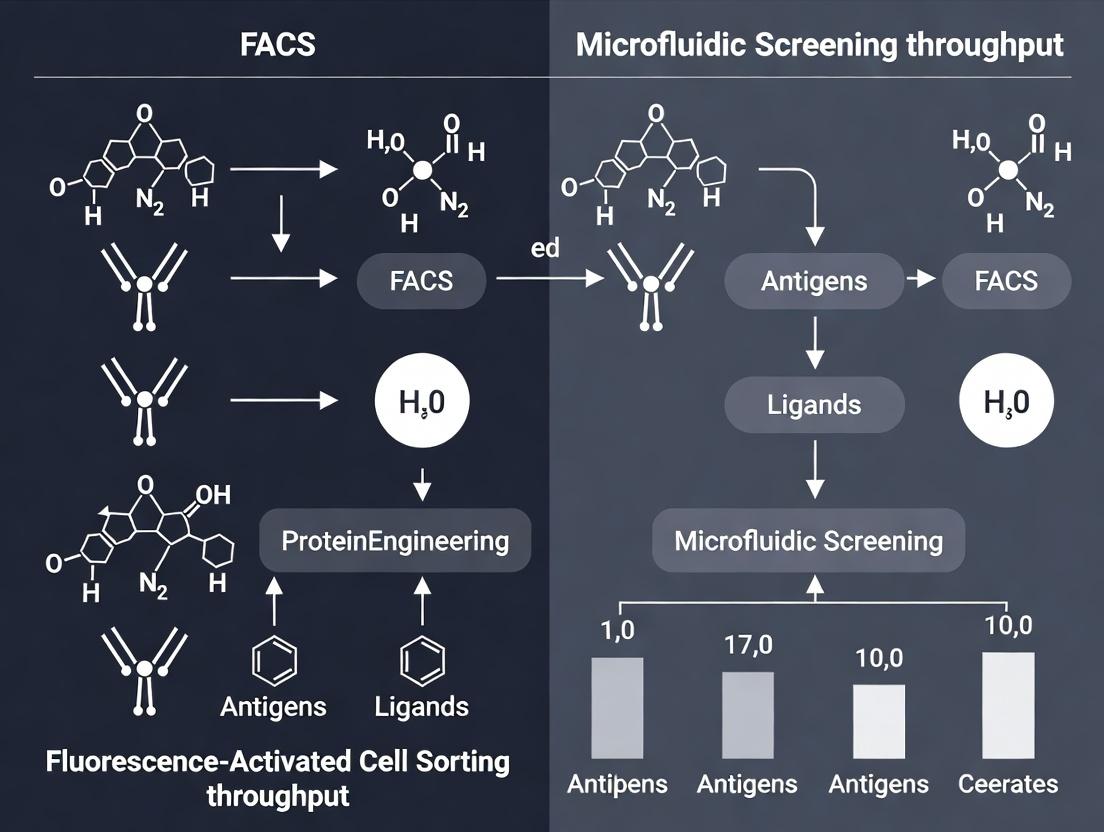
FACS vs Microfluidics: A Comprehensive Throughput Analysis for High-Throughput Screening
This article provides a detailed comparative analysis of Fluorescence-Activated Cell Sorting (FACS) and microfluidic screening technologies in terms of throughput, a critical parameter for researchers, scientists, and drug development professionals.
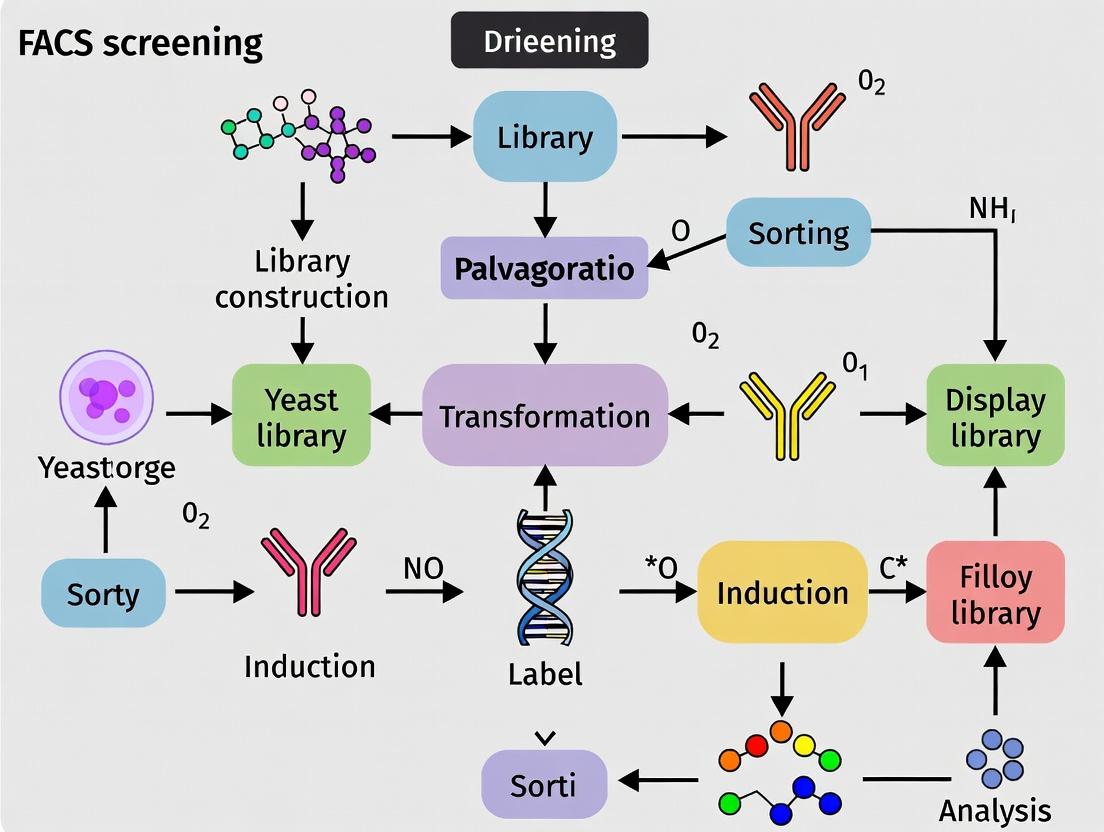
A Comprehensive Protocol for FACS-Based Screening of Yeast Display Libraries: From Basics to High-Throughput Discovery
This article provides a detailed, step-by-step guide for researchers and drug discovery professionals to effectively screen yeast display libraries using Fluorescence-Activated Cell Sorting (FACS).
Beyond the Known Proteome: Navigating Dark Protein Space and Out-of-Distribution Challenges in AI-Driven Drug Discovery
This article provides a comprehensive analysis of the dark protein space—the vast universe of protein sequences and structures beyond experimentally characterized examples—and the critical Out-of-Distribution (OOD) problem faced by AI/ML...
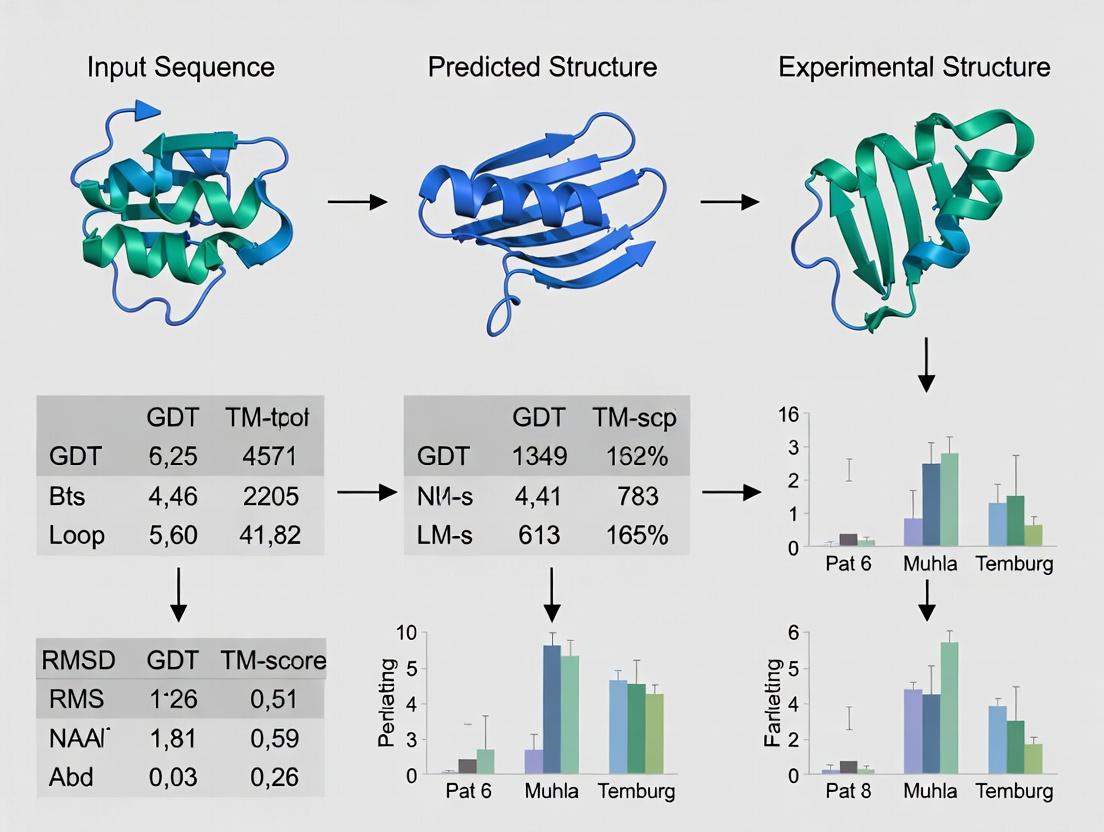
Beyond Accuracy: A Comprehensive Guide to Protein Structure Prediction Metrics for Research & Drug Discovery
This article provides researchers, scientists, and drug development professionals with a detailed framework for evaluating protein structure prediction models.
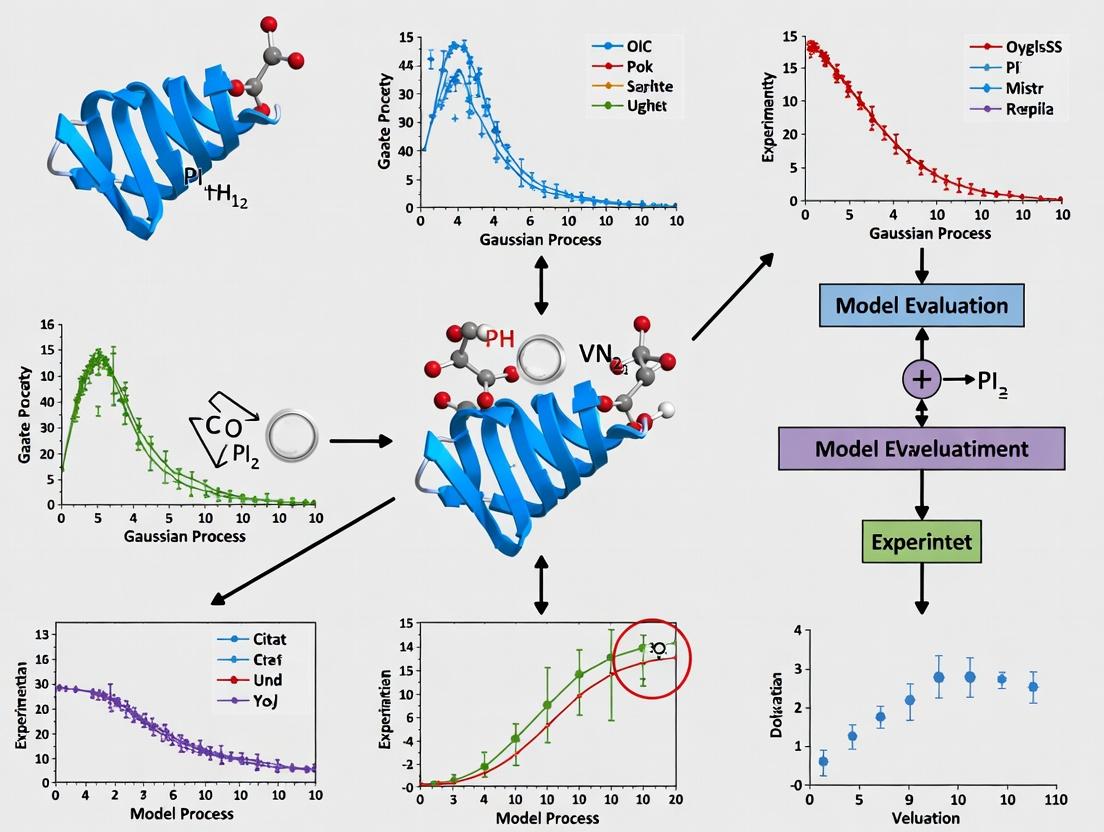
Beyond Prediction: Mastering Uncertainty Quantification in Gaussian Process Models for Protein Engineering and Drug Discovery
Gaussian Process (GP) models have emerged as powerful tools for predicting protein properties, but their true value lies in their inherent ability to quantify prediction uncertainty.
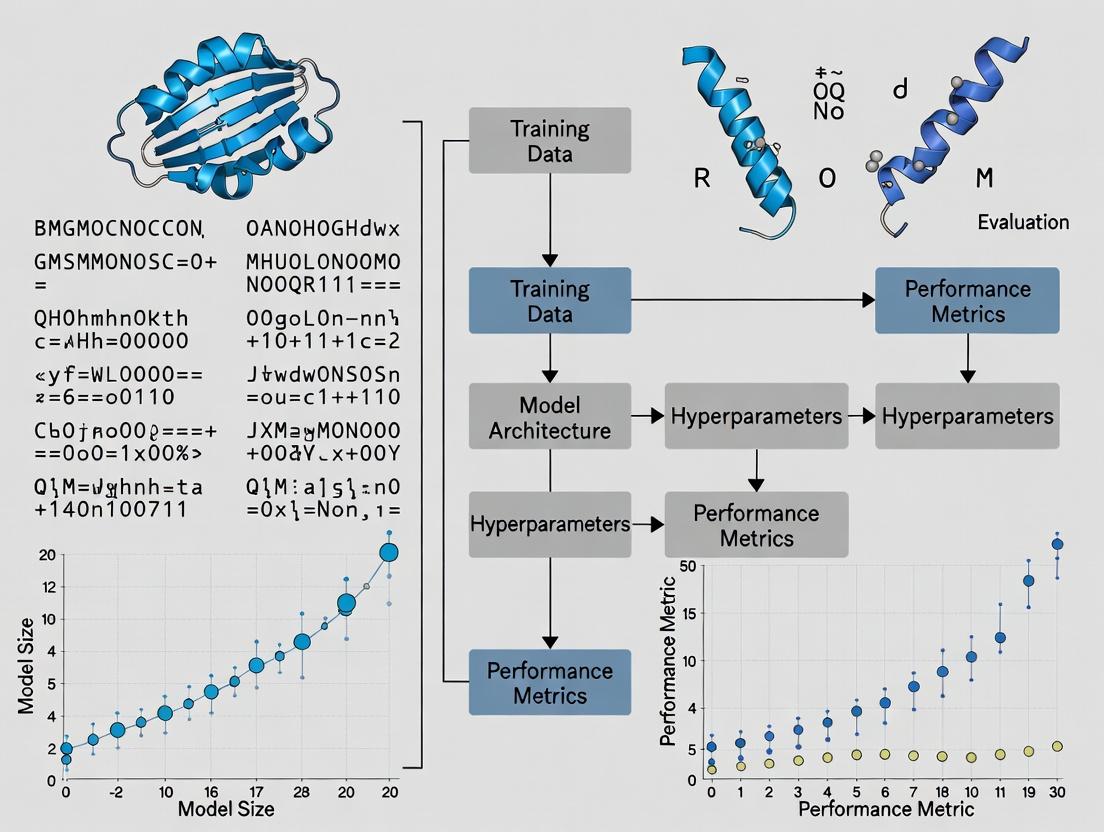
Protein Language Model Scaling Laws: How Model Size, Data, and Compute Impact Performance for Drug Discovery
This article provides a comprehensive analysis of the scaling laws governing protein language models (pLMs).
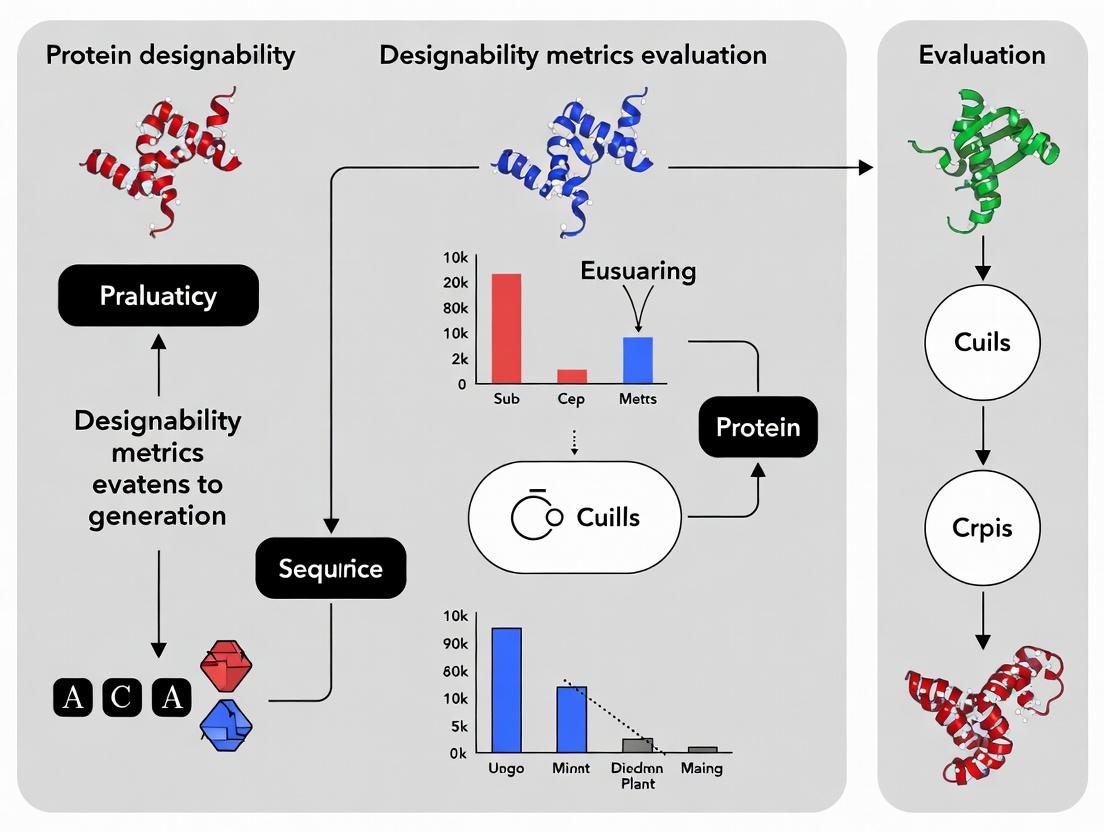
Beyond the Fold: A Comprehensive Guide to Designability Metrics for AI-Driven Protein Engineering
This article provides a critical evaluation of designability metrics essential for AI-generated protein sequences.
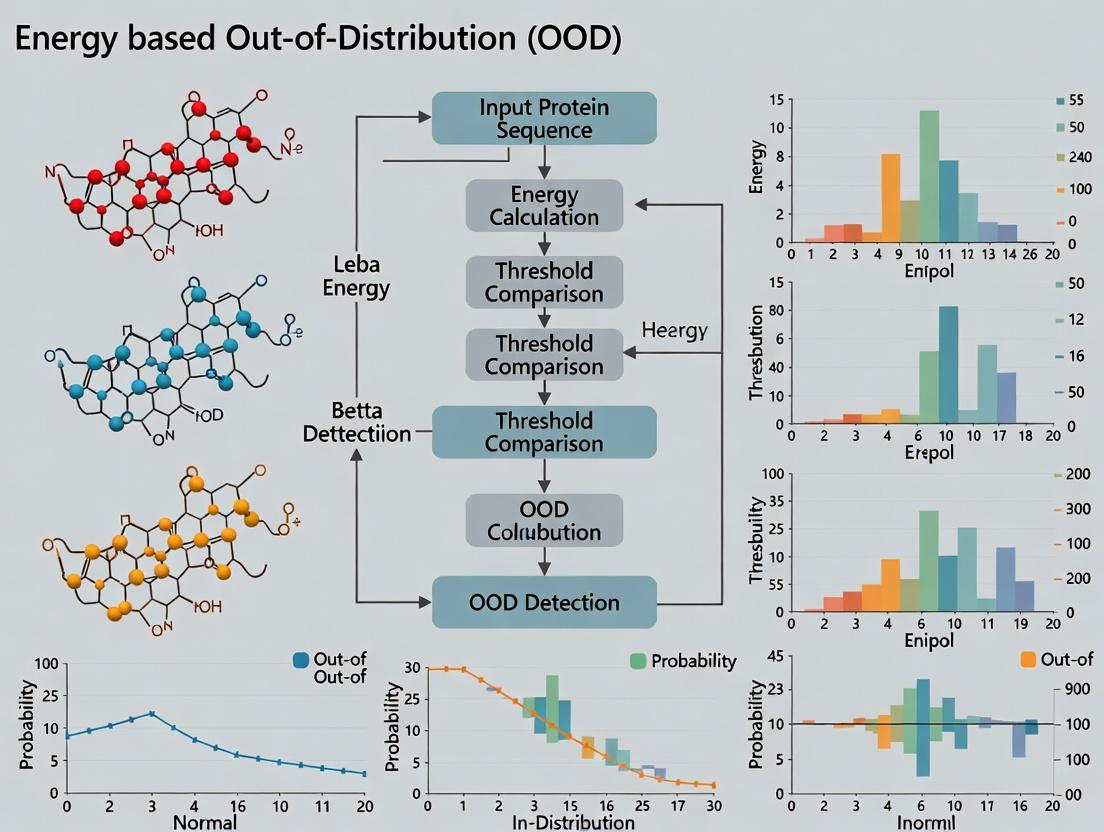
Energy-Based OOD Detection: A Revolutionary Approach for Identifying Novel Protein Sequences in Drug Discovery
This article provides a comprehensive guide to energy-based out-of-distribution (OOD) detection for protein sequences, a critical frontier in computational biology.
Beyond Known Biology: Mastering OOD Protein Sequences with End-to-End Pretraining and Fine-Tuning
This article provides a comprehensive guide for researchers, scientists, and drug development professionals on applying end-to-end pretraining-fine-tuning frameworks to Out-Of-Distribution (OOD) protein sequences.
ESMFold vs AlphaFold3: A Comparative Analysis of AI-Driven Protein Structure Prediction for Drug Discovery
This article provides researchers, scientists, and drug development professionals with a comprehensive comparison of ESMFold and AlphaFold3, the two leading AI models for protein structure prediction.