The Rice Revolution
How Science is Crafting the Next Generation of Sustainable Staple Food
The Global Plate: A Problem of Nutrition and Sustainability
For billions of people, particularly across Asia, a meal is simply not complete without rice. This humble grain is the cornerstone of food security and cultural identity 3 . However, our deep reliance on it is posing dual challenges: nutritional deficiencies and environmental strain.
Hidden Hunger
Conventional milled rice, while a rich source of energy, often lacks sufficient protein, vitamins, and minerals, a concern known as "hidden hunger" 3 .
Innovative Solution
Scientists are creating a new kind of "rice" that is not grown in a paddy field, but is engineered in a factory to be more nutritious, sustainable, and tailored to specific health needs. This is the reality of today's food science, thanks to the innovative development of analog rice.
What is Analog Rice? The Science of Building a Better Grain
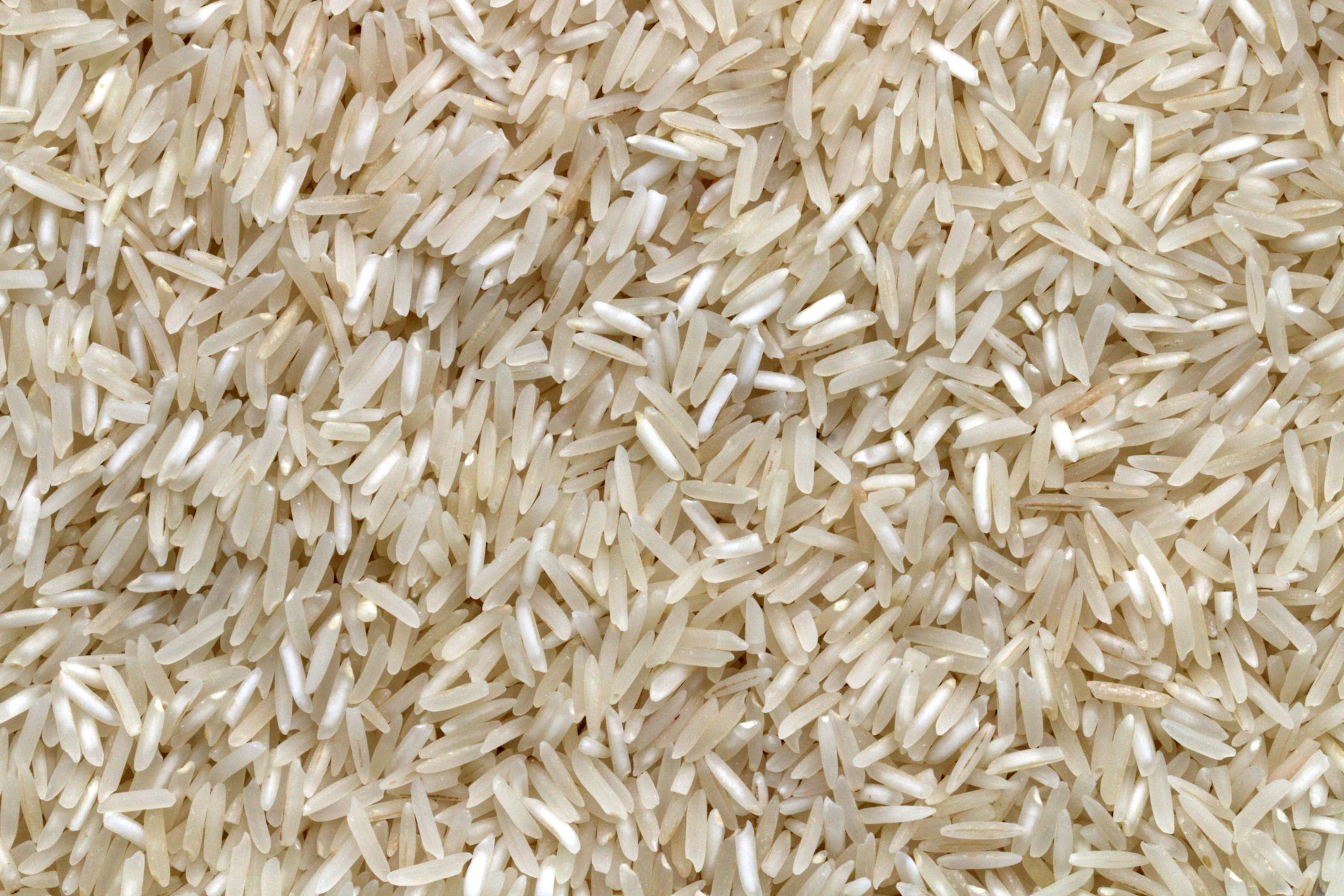
Analog rice, also known as artificial rice, is a pioneering food product designed to mimic the appearance, texture, and cooking properties of conventional rice, but with a crucial difference.
Primary Goals of Analog Rice
Food Diversification
To reduce over-reliance on paddy rice by utilizing a wider array of locally available crops, thereby enhancing national food security 3 .
Extrusion Technology
The most common method for producing analog rice is extrusion technology. In this process, a mixed dough is forced through a die under high temperature and pressure to create rice-like grains 3 .
Think of it as "food Lego"
Scientists take flours from various local ingredients such as tubers, cereals, and legumes, and then reconstruct them into rice-like grains with enhanced nutritional profiles.
The Value Engineering Framework: Designing for Maximum Value
To develop a successful analog rice product that is both high-quality and cost-effective, researchers employ a Value Engineering methodology 4 .
What is Value Engineering?
A systematic, function-oriented approach designed to optimize the value of a product by analyzing its functions and seeking the most economical ways to achieve them without compromising on essential performance, quality, or safety 4 .
The Value Engineering Process for Analog Rice
Information Phase
The team gathers all relevant data, including the project's goal (e.g., create a nutritious rice for breastfeeding mothers), available local ingredients (like sago and corn), and the risks involved (e.g., potential consumer rejection).
Function Analysis Phase
This is the core of the process. The team defines the essential functions of the analog rice. For example, the primary function is "provide nourishment," while secondary functions could be "mimic rice texture," "deliver bioactive compounds," and "be affordable." Tools like Function Analysis System Technique (FAST) are used to map these functions and their relationships 4 .
Creativity Phase
The team brainstorms a wide range of ideas for raw material combinations and processing methods to perform the identified functions. For instance, "how can we improve texture?" might lead to ideas like adding glucomannan gel or adjusting the amylose content.
Evaluation & Development Phase
The most promising ideas from the creativity phase are selected and developed into specific recommendations. Prototypes are created, tested, and analyzed for their nutritional content, physical properties, and cost 4 .
A Closer Look at a Key Experiment: Sago-Corn-Moringa Analog Rice
To illustrate the real-world process of developing analog rice, let's examine a pivotal study that aimed to create a functional food for breastfeeding women 1 .
Methodology
Formulation:
Three different recipes were tested using sago flour, corn flour, and moringa leaf powder. Moringa was chosen for its exceptional profile of lactogenic compounds, which can help support breast milk production 1 .
| Formulation | Sago | Corn | Moringa |
|---|---|---|---|
| A | 60% | 37% | 3% |
| B | 70% | 25% | 5% |
| C | 80% | 10% | 10% |
Process:
- Mixing and Steaming: Dry ingredients were mixed with water to form a dough, then steamed for 30 minutes.
- Extrusion: The cooked dough was passed through a single-screw extruder with a 3mm die.
- Drying and Packaging: The extruded "rice" was dried and vacuum-sealed for analysis 1 .
Results and Analysis
Sensory Acceptance:
Formulation C (with 10% moringa) emerged as the most preferred by the panelists, scoring a "neutral" to "like" rating despite its distinct moringa aroma and slightly bitter taste 1 .
Nutritional Comparison:
| Nutrient | Formulation C Analog Rice 1 | Conventional Rice 3 |
|---|---|---|
| Protein | 4.08% | ~7% |
| Crude Fiber | 3.42% | ~0.5-1% |
| Iron | 40.12 ppm | ~2-14 ppm |
| Energy | 382.62 Kcal | ~350-365 Kcal |
| Bioactive Compounds | Phytosterols (~2.25%) and Flavonoids (0.19%) | Negligible |
Physical Properties
| Property | Result for Formulation C | Significance |
|---|---|---|
| Moisture Content | 6.22% | Indicates good shelf stability 1 |
| Cooking Time | Measured from start until rice cooker indicator turned on | Designed for convenience, similar to regular rice 1 |
| Water Holding Capacity | Measured as a percentage | Influences the texture and firmness of the cooked rice 1 |
The Scientist's Toolkit: Key Ingredients for Innovation
The development of high-quality analog rice relies on a palette of raw materials, each selected for its specific functional and nutritional role.
Sago Flour
Primary carbohydrate source
Contains over 90% carbohydrates, has high pasting viscosity which helps the analog rice maintain its shape after cooking 1 .
Moringa Leaf Powder
Nutritional fortifier
A "superfood" rich in protein, iron, phytosterols, and flavonoids, which act as hormone precursors to support breast milk production 1 .
Mung Bean Flour
Protein booster
Used to fortify protein content, which is often low in tuber-based analog rice; contains about 22% protein 3 .
Carboxymethyl Cellulose (CMC)
Binder and stabilizer
A hydrocolloid that helps bind the ingredients together during extrusion and improves the water retention of the final product .
A Grain of Hope for the Future
The development of sago-based analog rice, especially when enhanced with functional ingredients like glucomannan and moringa, represents a fascinating convergence of food science, nutrition, and strategic engineering.
Tailored Nutrition
Scientists are crafting nutritional solutions for specific populations, reducing pressure on traditional agriculture.
Sustainable Systems
This approach promotes the conscious design of smarter, more resilient food systems.
While challenges remain—particularly in achieving universal sensory acceptance—the progress is undeniable. The next time you see a plate of rice, imagine a future where that simple staple is a customized powerhouse of nutrition, built grain by grain for a healthier world.