Geometric Deep Learning for Protein Structures: A New Paradigm in Drug Discovery and Protein Design
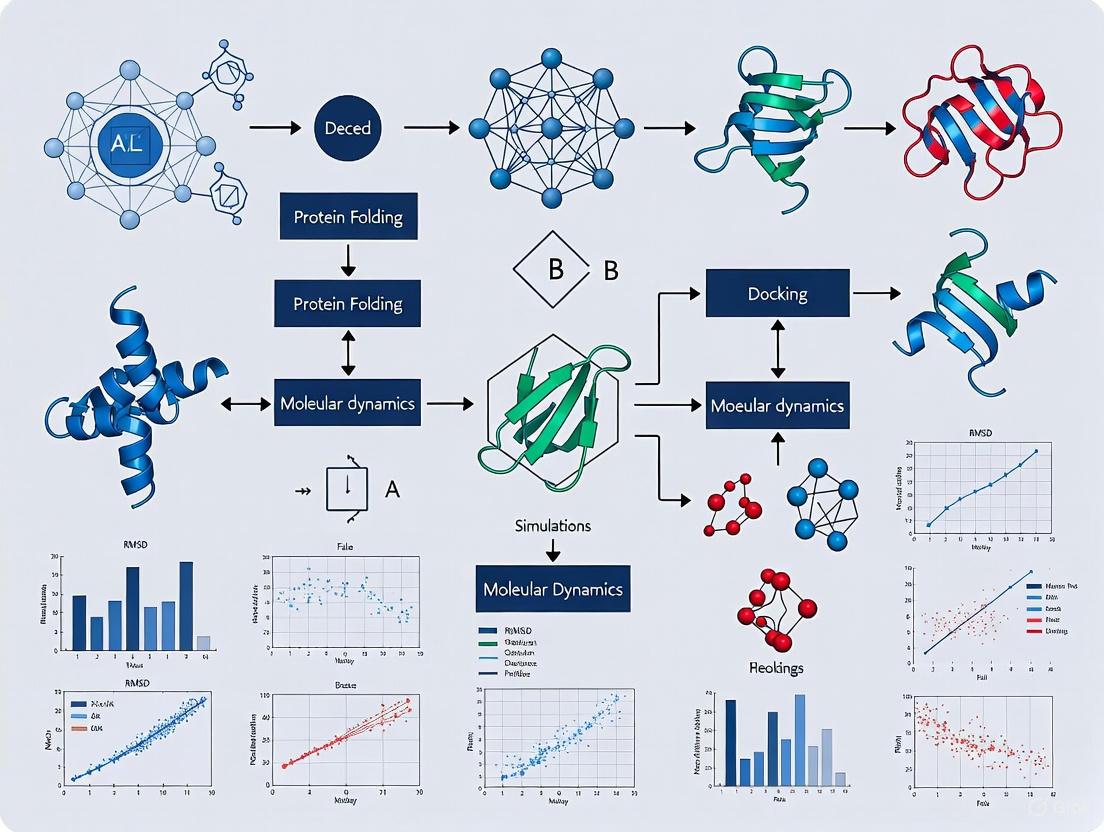
This article provides a comprehensive exploration of geometric deep learning (GDL) and its transformative impact on computational biology, specifically for analyzing and designing protein structures.
Geometric Deep Learning for Protein Structures: A New Paradigm in Drug Discovery and Protein Design
Abstract
This article provides a comprehensive exploration of geometric deep learning (GDL) and its transformative impact on computational biology, specifically for analyzing and designing protein structures. Aimed at researchers, scientists, and drug development professionals, it covers the foundational principles of GDL, including key symmetry groups and 3D protein representations. It delves into state-of-the-art methodologies and their applications in critical tasks like drug docking, binding affinity prediction, and de novo protein design. The article further addresses persistent challenges such as model generalization and data scarcity, alongside rigorous validation and benchmarking efforts. Finally, it synthesizes key takeaways and outlines future directions, positioning GDL as a cornerstone technology for the next generation of biomedical breakthroughs.
The Geometric Revolution: Core Principles and Data Representations for Protein Structures
Geometric Deep Learning (GDL) represents a transformative paradigm in machine learning that extends neural network capabilities to non-Euclidean domains including graphs, manifolds, and complex geometric structures. Unlike traditional deep learning approaches designed for regularly structured data like images (grids) or text (sequences), GDL provides a principled framework for learning from data with complex relational structures and underlying symmetries. This approach has proven particularly valuable in structural biology and drug discovery, where molecules and proteins inherently possess complex geometric properties that cannot be adequately captured by Euclidean representations alone [1] [2].
The fundamental motivation for GDL stems from the limitations of conventional deep learning architectures when confronted with data that lacks a natural grid structure. Proteins, molecular graphs, and social networks all exhibit relational inductive biases that traditional convolutional neural networks cannot efficiently process. GDL addresses this limitation by explicitly incorporating geometric priors into model architectures, enabling more efficient learning and better generalization on structured data [1]. This capability is particularly crucial for protein structure research, where the spatial arrangement of atoms and residues determines biological function and therapeutic potential.
Theoretical Foundations: Core Principles of GDL
Geometric Deep Learning is built upon several foundational principles that distinguish it from traditional deep learning approaches. These principles enable GDL models to effectively handle the complex structures encountered in protein research and drug discovery.
Geometric Priors
GDL incorporates three fundamental geometric priors that guide model architecture design [1]:
Symmetry and Invariance: Models are designed to be equivariant or invariant to specific transformations such as rotations, translations, and reflections. For protein structures, this means predictions should not change when the entire structure is rotated or translated in space, as these transformations do not alter biological function [3].
Stability: GDL models preserve similarity measures between data instances, ensuring that small distortions in input space correspond to small changes in the representation space. This property is crucial for analyzing protein dynamics and conformational changes.
Multiscale Representations: GDL architectures capture hierarchical patterns at different scales, from local atomic interactions to global protein topology, enabling comprehensive analysis of complex biological systems.
Categories of Geometric Deep Learning
GDL approaches can be categorized into several domains based on their underlying geometric structure [1]:
Table: Categories of Geometric Deep Learning
| Category | Data Type | Key Applications |
|---|---|---|
| Grids | Regularly sampled data (images) | Basic CNN applications |
| Groups | Homogeneous spaces with global symmetries (spheres) | Molecular chemistry, panoramic imaging |
| Graphs | Nodes and edges connecting entities | Social networks, molecular structures |
| Geodesics & Gauges | Manifolds and 3D meshes | Protein structures, computer vision |
For protein structure research, the graph and geodesic categories are particularly relevant, as proteins can be naturally represented as graphs (with residues as nodes and interactions as edges) or as 3D manifolds capturing their complex spatial structure.
GDL Architectures and Implementation
Architectural Building Blocks
Geometric Deep Learning models are constructed from specialized layers that preserve geometric properties [1]:
Linear Equivariant Layers: Core components like convolutions that are equivariant to symmetry transformations. These must be specifically designed for each geometric category.
Non-linear Equivariant Layers: Pointwise activation functions (e.g., ReLUs) that introduce non-linearity while preserving equivariance.
Local and Global Averaging: Pooling operations that impose invariances at different scales, enabling hierarchical feature learning.
These building blocks are combined to create architectures that respect the geometric structure of proteins while maintaining the expressive power needed for complex prediction tasks.
Protein-Specific GDL Implementations
In protein research, GDL models typically follow a structured pipeline that transforms protein data into predictive insights [3]:
Structure Acquisition: Obtaining 3D protein structures through experimental methods (X-ray crystallography, cryo-EM) or computational prediction tools like AlphaFold [4].
Graph Construction: Representing proteins as graphs where nodes correspond to residues or atoms, and edges capture spatial relationships or chemical bonds.
Geometric Feature Encoding: Incorporating spatial, topological, and physicochemical features into node and edge attributes.
Message Passing: Using graph neural networks to propagate information across the structure, capturing both local and global dependencies.
The following diagram illustrates a typical GDL workflow for protein structure analysis:
GDL for Protein Structure Research: Methods and Applications
Key Research Applications
Geometric Deep Learning has enabled significant advances across multiple domains of protein science:
Protein-Protein Interaction Prediction
SpatPPI represents a specialized GDL framework designed to predict protein-protein interactions involving intrinsically disordered regions (IDRs) [5]. This model addresses the critical challenge of capturing interactions with flexible protein regions that lack stable 3D structures. SpatPPI leverages structural cues from folded domains to guide dynamic adjustment of IDRs through geometric modeling and adaptive conformation refinement, achieving state-of-the-art performance on benchmark datasets.
Protein Structure Prediction
GDL has revolutionized protein structure prediction through models like AlphaFold, which employ geometric constraints and equivariant architectures to generate accurate 3D structures from amino acid sequences [4]. These approaches have largely replaced traditional methods such as template-based modeling and ab initio prediction for many applications.
Functional Property Prediction
GDL models can predict various protein properties including stability, binding affinities, and catalytic properties by analyzing 3D structural features [3]. These models capture spatial, topological, and physicochemical features essential to protein function, enabling accurate prediction without costly experimental measurements.
Experimental Framework and Evaluation
To illustrate a complete GDL application, we examine the experimental framework for protein-protein interaction prediction as implemented in SpatPPI [5]:
Table: SpatPPI Experimental Protocol for IDPPI Prediction
| Stage | Method | Key Parameters | Output |
|---|---|---|---|
| Data Preparation | HuRI-IDP dataset construction | 15,000 proteins, 36,300 PPIs, 50% IDPPIs | Training/validation/test splits |
| Graph Representation | Protein structure to directed graph conversion | Nodes: residues, Edges: spatial relationships | Geometric graphs with 7D edge attributes |
| Model Architecture | Edge-enhanced Graph Attention Network (E-GAT) | Dynamic edge updates, two-stage decoding | Residue-level representations |
| Training Protocol | Siamese network with bidirectional computation | Order-invariant aggregation, bilinear function | Interaction probability scores |
| Evaluation | Temporal split with class imbalance adjustment | Metrics: MCC, AUPR (focused on positive class) | Performance comparison against baselines |
The following diagram illustrates the specialized architecture of SpatPPI for handling intrinsically disordered regions:
Performance Benchmarks
GDL models have demonstrated remarkable performance across diverse protein research tasks:
Table: Performance Comparison of GDL Models on Protein Tasks
| Task | Dataset | Baseline Performance | GDL Performance | Improvement |
|---|---|---|---|---|
| Model Quality Assessment | CASP structures | Varies by method | GVP-GNN + PLM: 84.92% RS | +32.63% global RS [6] |
| Protein-Protein Docking | DB5.5 (253 structures) | EquiDock baseline | EquiDock + PLM | 31.01% interface RMSD improvement [6] |
| IDPPI Prediction | HuRI-IDP (15K proteins) | SGPPI, D-SCRIPT | SpatPPI | State-of-the-art MCC/AUPR [5] |
| Binding Affinity Prediction | PDBBind database | Traditional ML | GDL + PLM integration | Significant improvement [6] |
Implementing Geometric Deep Learning for protein research requires specialized tools and resources. The following table catalogs essential components of the GDL research pipeline:
Table: Research Reagent Solutions for GDL Protein Studies
| Resource Category | Specific Tools | Function | Application Context |
|---|---|---|---|
| Structure Prediction | AlphaFold, RoseTTAFold, ESMFold | Generate 3D structures from sequences | Foundation for graph construction [3] [4] |
| Geometric Learning Frameworks | PyTorch Geometric, TensorFlow GNN | Specialized GDL implementation | Graph neural network development [6] |
| Protein Language Models | ESM, ProtTrans | Evolutionary sequence representations | Enhancing GDL with evolutionary information [6] |
| Molecular Dynamics | GROMACS, AMBER | Conformational sampling | Data augmentation for dynamic processes [3] |
| Specialized Architectures | GVP-GNN, EGNN, EquiDock | Task-specific geometric models | PPIs, docking, quality assessment [6] |
| Evaluation Metrics | TRA, RMSD, MCC, AUPR | Performance quantification | Benchmarking against experimental data [7] [5] |
Future Directions and Challenges
Despite significant progress, Geometric Deep Learning for protein research faces several important challenges that represent opportunities for future advancement.
Current Limitations
Data Scarcity: High-quality annotated structural datasets remain limited compared to sequence databases, potentially restricting model generalization [3] [6].
Dynamic Representations: Most current GDL frameworks operate on static structures, limiting their ability to capture functionally relevant conformational dynamics and allosteric transitions [3].
Interpretability: Many GDL models function as "black boxes," impeding mechanistic insights that are crucial for guiding experimental design [3].
Generalization: Transferability across protein families, functional contexts, and evolutionary clades remains challenging, particularly for proteins with limited homology to training examples [3].
Emerging Solutions
Future research directions aim to address these limitations through several promising approaches:
Integration with Protein Language Models: Combining GDL with pre-trained protein language models has demonstrated impressive performance gains, with some studies reporting approximately 20% overall improvement across multiple benchmarks [6]. This integration helps overcome data scarcity by leveraging evolutionary information from massive sequence databases.
Dynamic Geometric Learning: Emerging approaches incorporate molecular dynamics simulations and flexibility-aware priors to capture protein dynamics, including cryptic binding pockets and transient interactions [3].
Explainable AI (XAI): Integration of interpretability methods within GDL frameworks is increasing model transparency and providing biological insights [3].
Generative GDL Models: Combining GDL with generative approaches like diffusion models enables de novo protein design, opening new possibilities for therapeutic development [3].
As GDL continues to converge with high-throughput experimentation and generative modeling, it is positioned to become a central technology in next-generation protein engineering and synthetic biology, ultimately accelerating drug discovery and our fundamental understanding of biological systems.
In structural biology, the E(3) and SE(3) symmetry groups provide the fundamental mathematical framework for describing transformations in three-dimensional space. These groups formally characterize the geometric symmetries inherent to all biomolecules, where properties and interactions must remain consistent regardless of molecular orientation or position. The E(3) group (Euclidean group in 3D) encompasses all possible rotations, reflections, and translations in 3D space. The SE(3) group (Special Euclidean group in 3D) includes rotations and translations but excludes reflections, preserving handedness or chirality [8] [9].
Understanding these groups is essential for developing geometric deep learning (GDL) models that process 3D molecular structures. By building equivariance to these symmetries directly into neural network architectures, researchers create models that inherently understand the geometric principles governing biomolecular interactions, leading to remarkable improvements in data efficiency, predictive accuracy, and generalization capability across computational biology tasks [3] [10] [9].
Mathematical Foundations of E(3) and SE(3) Equivariance
Formal Definitions and Transformation Properties
Formally, the E(3) group consists of all distance-preserving transformations of 3D Euclidean space, including translations, rotations, and reflections. The SE(3) group contains all rotations and translations but excludes reflections. A function ( f: X \rightarrow Y ) is equivariant with respect to a group ( G ) that acts on ( X ) and ( Y ) if:
[ {D}{Y}[g]f(x) = f({D}{X}[g]x) \quad \forall g \in G, \forall x \in X ]
where ( DX[g] ) and ( DY[g] ) are the representations of the group element ( g ) in the vector spaces ( X ) and ( Y ), respectively [10] [9]. This mathematical property ensures that when the input to an equivariant network is transformed by any group element ( g ) (e.g., rotated or translated), the output transforms in a corresponding, predictable way. For example, if a molecular structure is rotated, the predicted atomic force vectors rotate accordingly, and binding site predictions move consistently with the rotation [10].
Irreducible Representations and Tensor Operations
Practical implementation of E(3)- and SE(3)-equivariant neural networks relies on decomposing features into irreducible representations of the O(3) or SO(3) groups. Network features are structured as geometric tensors that transform predictably under rotation: scalars (type-0 tensors) remain unchanged, vectors (type-1 tensors) rotate according to standard 3×3 rotation matrices, and higher-order tensors transform via more complex Wigner D-matrices [9]. This decomposition enables networks to learn sophisticated interactions between different geometric entities while strictly preserving transformation properties.
Architectural Implementation of Equivariant Networks
Core Components of Equivariant Graph Neural Networks
Equivariant Graph Neural Networks (GNNs) implement symmetry preservation through specialized layers that maintain equivariance in all internal operations. In these architectures, molecular structures are represented as graphs where nodes correspond to atoms or residues, and edges represent spatial relationships or chemical bonds [8] [10]. The key innovation lies in how message passing and feature updating occur while preserving equivariance.
The message-passing kernels in these networks are constructed as linear combinations of products of learnable radial profiles and fixed angular profiles given by spherical harmonics. Formally, the kernels satisfy:
[ W^{\ell k}(Rg^{-1}x) = D\ell(g) W^{\ell k}(x) D_k(g)^{-1} ]
for every group element ( g ), ensuring rotational equivariance of all messages passed between nodes [9]. This mathematical constraint guarantees that regardless of how the input molecular structure is oriented, the internal representations transform consistently, eliminating the need for data augmentation to teach the network rotational invariance.
Self-Attention Mechanisms in Equivariant Transformers
Recent advances incorporate invariant attention mechanisms into equivariant architectures, creating transformers that operate on 3D molecular data. In these architectures, attention weights are computed as scalar invariants:
[ \alpha{ij} = \frac{\exp(qi^\top k{ij})}{\sum{j'}\exp(qi^\top k{ij'})} ]
where both queries ( qi ) and keys ( k{ij} ) are constructed from equivariant maps, ensuring the attention weights themselves are invariant to rotations and translations [9]. This enables data-dependent weighting of neighbor information while maintaining overall equivariance. The SE(3)-Transformer combines this invariant attention with equivariant value updates, allowing the network to focus on the most relevant molecular substructures regardless of orientation.
Experimental Applications in Structural Biology
Performance Comparison of Equivariant Models
Table 1: Performance Metrics of E(3)/SE(3)-Equivariant Models in Structural Biology Applications
| Model | Application | Key Performance Metrics | Reference |
|---|---|---|---|
| EquiPPIS | Protein-protein interaction site prediction | Substantial improvement over state-of-the-art; better accuracy with AlphaFold2 predictions than existing methods achieve with experimental structures | [8] |
| DiffGui | Target-aware 3D molecular generation | State-of-the-art performance on PDBbind; generates molecules with high binding affinity, rational structure, and desirable drug-like properties | [11] |
| DeepTernary | Ternary complex prediction for targeted protein degradation | DockQ score of 0.65 on PROTAC benchmark; ~7 second inference time; correlation between predicted BSA and experimental degradation potency | [12] |
| SpatPPI | Protein-protein interactions involving disordered regions | State-of-the-art on HuRI-IDP benchmark; robust to conformational changes in intrinsically disordered regions | [5] |
| NequIP | Interatomic potentials for molecular dynamics | State-of-the-art accuracy with up to 1000x less training data; reproduces structural and kinetic properties from ab-initio MD | [10] |
Detailed Experimental Protocols
Protein-Protein Interaction Site Prediction (EquiPPIS Protocol)
The EquiPPIS methodology demonstrates a complete pipeline for E(3)-equivariant prediction of protein-protein interaction sites [8]:
Input Representation: Convert input protein monomer structures into graphs ( G = (V, E) ) where residues represent nodes and edges connect non-sequential residue pairs within 14Å cutoff distance.
Feature Engineering: Extract sequence- and structure-based node features (evolutionary conservation, physicochemical properties) and edge features (distance, orientation).
Model Architecture: Implement deep E(3)-equivariant graph neural network with multiple Equivariant Graph Convolutional Layers (EGCLs), each updating coordinate and node embeddings using edge information.
Training Protocol: Train on combined benchmark datasets (Dset186, Dset72, Dset_164) using standard train-test splits. Optimize using binary cross-entropy loss for residue classification.
Evaluation Metrics: Assess performance using accuracy, precision, recall, F1-score, Matthews correlation coefficient (MCC), ROC-AUC, and PR-AUC.
This protocol demonstrates the remarkable robustness of E(3)-equivariant models, achieving better accuracy with AlphaFold2-predicted structures than traditional methods achieve with experimental structures [8].
Target-aware 3D Molecular Generation (DiffGui Protocol)
DiffGui implements an E(3)-equivariant diffusion model for generating drug-like molecules within protein binding pockets [11]:
Forward Diffusion Process: Gradually inject noise into both atoms and bonds of ligand molecules over diffusion steps ( q(\mathbf{x}^t | \mathbf{x}^{t-1}, \mathbf{p}, \mathbf{c}) ), where ( \mathbf{p} ) represents protein pocket and ( \mathbf{c} ) represents molecular property conditions.
Dual Diffusion Strategy: Implement two-phase diffusion where bond types diffuse toward prior distribution first, followed by atom type and position perturbation.
Reverse Generation Process: Employ property guidance incorporating binding affinity (Vina Score), drug-likeness (QED), synthetic accessibility (SA), and physicochemical properties (LogP, TPSA) to steer molecular generation.
Architecture Modifications: Extend standard E(3)-equivariant GNNs to update representations of both atoms and bonds within the message passing framework.
Evaluation Framework: Assess generated molecules using Jensen-Shannon divergence of structural features (bonds, angles, dihedrals), RMSD to reference geometries, binding affinity estimates, and various chemical validity metrics.
This approach addresses critical limitations in structure-based drug design by explicitly modeling bond-atom interdependencies and incorporating drug-like properties directly into the sampling process [11].
Research Reagent Solutions for Equivariant Modeling
Table 2: Essential Computational Tools for E(3)/SE(3)-Equivariant Research
| Tool/Resource | Type | Function in Research | Application Examples |
|---|---|---|---|
| e3nn | Software Library | Provides primitives for building E(3)-equivariant neural networks | Used in NequIP for implementing equivariant convolutions [10] |
| AlphaFold2/3 | Structure Prediction | Generates high-quality protein structures for training and inference | Provides input structures for EquiPPIS and SpatPPI [8] [5] |
| PDBbind | Curated Dataset | Provides protein-ligand complexes for training and evaluation | Benchmark dataset for DiffGui molecular generation [11] |
| TernaryDB | Specialized Dataset | Curated ternary complexes for targeted protein degradation | Training data for DeepTernary model [12] |
| HuRI-IDP | Benchmark Dataset | Protein-protein interactions involving disordered regions | Evaluation benchmark for SpatPPI [5] |
Workflow Visualization of Equivariant Prediction Models
E(3)-Equivariant PPI Site Prediction (EquiPPIS)
SE(3)-Equivariant Ternary Complex Prediction (DeepTernary)
Future Directions and Challenges
While E(3) and SE(3)-equivariant models have demonstrated remarkable success across structural biology applications, several challenges remain. Current architectures primarily operate on static structural representations, limiting their ability to capture the dynamic conformational ensembles essential to biomolecular function [3]. Future developments must incorporate flexibility-aware priors such as B-factors, backbone torsion variability, or molecular dynamics trajectories to model biologically relevant protein dynamics [3].
Another significant challenge lies in generalization across protein families and functional contexts, particularly for proteins with limited evolutionary information or novel folds. Transfer learning strategies that repurpose geometric models pretrained on large-scale structural datasets show promise for addressing this limitation [3]. As geometric deep learning converges with generative modeling and high-throughput experimentation, E(3) and SE(3)-equivariant architectures are positioned to become central technologies in next-generation computational structural biology and drug discovery [3].
The integration of explainable AI (XAI) techniques with equivariant models represents another critical frontier, enabling researchers to extract mechanistic insights from these sophisticated architectures and guiding experimental design through interpretable predictions [3]. As these models become more widely adopted in pharmaceutical research, their ability to capture complex topological and geometrical information while maintaining physical plausibility will accelerate the development of novel therapeutics for previously undruggable targets [11] [12].
The accurate computational representation of three-dimensional protein structures is a foundational challenge in structural biology and computational biophysics. These representations form the essential input for Geometric Deep Learning (GDL) models, which have emerged as powerful tools for predicting protein functions, interactions, and properties by operating directly on non-Euclidean data domains [3]. The choice of representation fundamentally influences a model's capacity to capture biologically relevant spatial relationships, physicochemical properties, and topological features. Within the framework of GDL for protein science, three principal representation paradigms have been established: grid-based (voxel) representations, surface-based depictions, and spatial graph constructions [3] [13]. Each paradigm offers distinct advantages for encoding different aspects of protein geometry and function, with selection criteria dependent on the specific biological question, computational constraints, and required resolution. This technical guide provides an in-depth analysis of these core representation methodologies, their quantitative characteristics, implementation protocols, and their integral role in advancing protein research through geometric deep learning.
Grid-Based Representations
Core Methodology and Applications
Grid-based or voxel-based representations discretize the three-dimensional space surrounding a protein into a regular lattice of volumetric pixels (voxels). Each voxel is assigned values representing local structural or physicochemical properties, such as electron density, atom type occupancy, or electrostatic potential [13]. This Euclidean structuring makes grid data particularly amenable to processing with 3D convolutional neural networks (3D-CNNs), which can learn hierarchical spatial features directly from the voxelized input.
A key application of grid representations is in protein surface comparison. The 3D-SURFER tool, for instance, employs voxelization to convert a protein surface mesh into a cubic grid, which subsequently undergoes a 3D Zernike transformation [13]. This process yields compact 3D Zernike Descriptors (3DZD)—rotation-invariant feature vectors comprising 121 numerical invariants that enable rapid, alignment-free comparison of global surface shapes across the proteome through simple Euclidean distance calculations [13].
Quantitative Characterization of Grid Representations
Table 1: Key Properties and Metrics for Grid-Based Representations
| Property | Typical Value/Range | Biological Interpretation | Computational Consideration |
|---|---|---|---|
| Grid Resolution | 0.5–2.0 Å | Determines atomic-level detail capture | Higher resolution exponentially increases memory requirements |
| Voxel Dimensions | 64³ to 128³ | Balance between coverage and detail | Powers of 2 optimize CNN performance |
| 3DZD Vector Size | 121 invariants | Compact molecular shape signature | Enables rapid similarity search via Euclidean distance |
| Rotational Invariance | Yes (via 3DZD) | Alignment-free comparison | Eliminates costly superposition steps |
| Surface Approximation | MSROLL algorithm [13] | Molecular surface triangulation | Pre-processing step before voxelization |
Experimental Protocol: Implementing Grid-Based Surface Comparison
Objective: Generate a rotation-invariant shape descriptor for protein surface similarity search.
- Input Preparation: Obtain protein structure in PDB format from experimental sources (X-ray crystallography, cryo-EM) or computational prediction tools (AlphaFold2, RoseTTAFold) [4].
- Surface Mesh Generation: Use the MSROLL program from the Molecular Surface Package (v3.9.3) to extract a triangulated mesh representing the protein's molecular surface [13].
- Voxelization: Discretize the surface mesh into a cubic grid with a recommended step size of 1.0 Å. Assign values of 1 to grid points inside the surface and 0 to points outside.
- 3D Zernike Transformation: Apply the 3DZD algorithm to the cubic grid to compute the 3D Zernike Descriptors. This transformation projects the 3D grid onto a series of orthogonal 3D Zernike polynomials.
- Descriptor Calculation: Generate the final 3DZD feature vector containing 121 rotation-invariant numerical invariants representing the protein's surface shape at multiple hierarchical resolutions [13].
- Similarity Assessment: Compare protein surfaces by computing the Euclidean distance between their respective 3DZD vectors. Smaller distances indicate higher surface shape similarity.
Surface-Based Representations
Geometric Property Mapping and Analysis
Surface representations focus on the protein-solvent interface, encoding critical functional information about binding sites, catalytic pockets, and protein interaction motifs. Unlike grid-based approaches that volume-fill the protein, surface representations are inherently more efficient for characterizing interaction interfaces. The VisGrid algorithm exemplifies this approach by classifying local surface regions into cavities, protrusions, and flat areas using a geometric visibility criterion [13].
This visibility metric quantifies the fraction of unobstructed directions from each point on the protein surface. Cavities (potential binding pockets) are identified as clusters of points with low visibility values, while protrusions manifest as pockets in the negative image of the structure [13]. These geometric features can be color-mapped directly onto the 3D structure for visualization, with typical color coding of red (first-ranked), green (second-ranked), and blue (third-ranked) for each feature type based on their geometric significance [13].
Quantitative Characterization of Surface Representations
Table 2: Analytical Metrics for Surface-Based Representations
| Metric | Calculation Method | Biological Significance | Visualization Approach |
|---|---|---|---|
| Visibility Criterion | Fraction of visible directions from surface point | Identifies concave vs. convex regions | Continuous color mapping from red (cavity) to blue (protrusion) |
| Pocket Volume | Convex hull of pocket residues (ų) | Predicts ligand binding capacity | Ranked coloring (Red>Green>Blue) by volume [13] |
| Surface Area | Accessible surface area (Ų) | Measures solvent exposure | Transparent rendering for context surfaces |
| Conservation Score | Sequence entropy of surface residues | Functional importance assessment | Overlay conservation scores on surface geometry |
| LIGSITEcsc Ranking | Combination of geometry and conservation | Binding site prediction confidence | Top 3 clusters retained and re-ranked |
Experimental Protocol: Surface Feature Detection with VisGrid
Objective: Identify and characterize cavities, protrusions, and flat regions on a protein surface.
- Grid Generation: Project the protein structure onto a 3D grid with 1.0 Å spacing, labeling each grid point as protein interior, surface, or solvent [13].
- Visibility Calculation: For each surface grid point, compute the visibility fraction by casting rays in multiple directions and determining the proportion that extends into solvent without intersecting the protein.
- Feature Classification:
- Cavities: Cluster points with visibility values below threshold τ (typically τ < 0.3)
- Protrusions: Identify as regions with high visibility in the negative image
- Flat Regions: Areas with intermediate visibility values
- Cluster Ranking: Group spatially proximal points into clusters using a distance criterion (typically 3.0 Å). Rank clusters by size (number of constituent grid points).
- Conservation Integration (Optional for LIGSITEcsc): Incorporate evolutionary conservation scores from multiple sequence alignments to re-rank pockets by likely functional importance.
- Visualization: Map computed features onto the molecular surface using a color scheme that maintains sufficient contrast between the foreground elements and background for interpretation [14] [15].
Spatial Graph Representations
Graph Construction for Geometric Deep Learning
Spatial graph representations have emerged as the most expressive paradigm for protein structure analysis in geometric deep learning. In this formulation, proteins are represented as graphs where nodes correspond to amino acid residues and edges encode spatial relationships between them [3] [5]. This non-Euclidean representation preserves the intrinsic geometry of protein structures and enables the application of graph neural networks (GNNs) that respect biological constraints.
Advanced implementations like SpatPPI demonstrate sophisticated graph constructions where edge attributes encompass both distance and angular information [5]. Specifically, edges encode 3D coordinates within local residue frames and quaternion representations of rotation matrices to capture orientational differences between residue geometries [5]. This rich geometric encoding allows GDL models to automatically distinguish between folded domains and intrinsically disordered regions (IDRs) based on their distinct structural signatures, enabling accurate prediction of interactions involving dynamically flexible regions [5].
Quantitative Characterization of Spatial Graph Representations
Table 3: Architectural Parameters for Protein Spatial Graphs
| Graph Component | Attribute Dimensions | Geometric Interpretation | GDL Model Impact |
|---|---|---|---|
| Node Features | 20-50 dimensions | Evolutionary, structural, physicochemical properties | Initial residue embedding quality |
| Edge Connections | k-NN (k=10-30) or radial cutoff (4-10Å) | Local spatial neighborhood definition | Information propagation scope |
| Distance Attributes | 3D coordinates in local frame | Relative positional relationships | Euclidean equivariance preservation |
| Angular Attributes | 4D quaternion rotations | Orientational geometry | Side-chain interaction modeling |
| Dynamic Edge Updates | Iterative refinement during training | Adaptive to IDR flexibility | Captures conformational changes |
Experimental Protocol: Constructing Spatial Graphs for IDR-Inclusive PPI Prediction
Objective: Build a residue-level spatial graph suitable for predicting protein-protein interactions involving intrinsically disordered regions.
- Structure Acquisition: Obtain 3D protein structures from AlphaFold2 predictions or experimental PDB entries. For IDRs, use AlphaFold2-predicted structures despite their static nature, as they preserve functionally relevant distance information [5].
- Graph Initialization:
- Nodes: Represent each amino acid residue. Encode node features with evolutionary information from multiple sequence alignments, secondary structure assignments, and atomic chemical properties.
- Edges: Connect residues using a k-nearest neighbors approach (k=20) or radial cutoff (8.0 Å). For each edge, compute 7-dimensional attributes: 3D coordinates in local residue frame plus 4D quaternion representing orientational differences [5].
- Geometric Feature Enhancement: Construct local coordinate frames for each residue using Cα-Cβ vectors to embed backbone dihedral angles into multidimensional edge attributes, enabling automatic distinction between folded domains and IDRs.
- Dynamic Edge Refinement: Implement iterative edge updates during model training using a customized edge-enhanced graph attention network (E-GAT). Recompute inter-residue distances and angular relationships based on evolving node embeddings to refine AlphaFold2-predicted structures [5].
- Partition-Aware Decoding: Adopt a two-stage decoding strategy that generates residue-level contact probability matrices preserving partition-specific interaction modes (ordered-ordered, ordered-disordered, disordered-disordered) to prevent signal dilution in disordered regions [5].
Table 4: Critical Resources for Protein Structure Representation Research
| Resource Category | Specific Tools/Methods | Primary Function | Representation Compatibility |
|---|---|---|---|
| Structure Prediction | AlphaFold2, RoseTTAFold, ESMFold | Generate 3D models from sequence | All representations (provides input) [4] |
| Surface Analysis | 3D-SURFER, MSROLL, VisGrid, LIGSITEcsc | Surface characterization and comparison | Surface-based [13] |
| Geometric Descriptors | 3D Zernike Descriptors (3DZD) | Rotation-invariant shape similarity | Grid-based [13] |
| Graph Neural Networks | SpatPPI, E-GAT, GNN frameworks | Process spatial graph representations | Spatial graphs [5] |
| Structure Alignment | Combinatorial Extension (CE) | Superposition-based comparison | All representations (validation) [13] |
| Molecular Dynamics | GROMACS, AMBER, NAMD | Assess flexibility and conformational changes | Spatial graphs (dynamic edges) [5] |
| Quality Validation | MolProbity, PROCHECK | Structure quality assessment | All representations (input validation) |
Comparative Analysis and Integration of Representation Paradigms
Each representation paradigm offers distinct advantages for specific applications in protein informatics. Grid-based methods excel at global shape comparison and are computationally efficient for large-scale similarity screening, with 3D Zernike Descriptors enabling rapid retrieval of proteins with similar surface topography without requiring structural alignment [13]. Surface-based approaches provide superior characterization of binding sites and functional interfaces, with algorithms like VisGrid and LIGSITEcsc directly identifying potential interaction pockets through geometric and evolutionary analysis [13]. Spatial graphs offer the most expressive representation for GDL applications, capturing both topological connectivity and intricate geometric relationships between residues, making them particularly effective for predicting interactions involving intrinsically disordered regions and allosteric mechanisms [5].
The integration of multiple representation paradigms often yields the most biologically insightful results. For example, a workflow might employ surface-based methods to identify potential binding pockets, followed by spatial graph analysis to model the allosteric consequences of ligand binding. Similarly, grid-based global shape similarity search can efficiently filter large structure databases, while spatial graph representations enable detailed analysis of specific functional interfaces. This multimodal approach leverages the complementary strengths of each representation, providing a comprehensive computational framework for protein structure analysis in the era of geometric deep learning.
The field of structural biology is built upon a foundational understanding of protein three-dimensional structure, which is critical for elucidating biological function and advancing drug discovery. For decades, this understanding has been primarily derived from experimental methods such as X-ray crystallography, NMR spectroscopy, and cryo-electron microscopy. However, the recent emergence of sophisticated deep learning systems, most notably AlphaFold, has fundamentally transformed this data landscape. This paradigm shift enables researchers to access highly accurate structural predictions for nearly the entire known proteome. For researchers working at the intersection of structural biology and machine learning, particularly in geometric deep learning (GDL) for protein structures, understanding the characteristics, limitations, and appropriate applications of these diverse data sources is paramount. This technical guide provides an in-depth analysis of both experimental and computational protein structure data sources, framed within the context of their utility for advancing geometric deep learning research.
Experimental Structure Determination: The Traditional Gold Standard
Experimental methods have long been the cornerstone of structural biology, providing high-resolution models of protein structures through direct physical measurement.
Core Methodologies and Workflows
The primary experimental techniques for structure determination each follow distinct workflows to resolve atomic-level details:
X-ray Crystallography: This method involves purifying the protein and growing it into a highly ordered crystal. When X-rays are directed at the crystal, they diffract, producing a pattern that can be transformed into an electron density map. Researchers then build an atomic model that best fits this experimental density [16] [4]. The final "deposited model" represents the refined atomic coordinates that interpret the crystallographic data.
Cryo-Electron Microscopy (Cryo-EM): In this technique, protein samples are flash-frozen in a thin layer of vitreous ice and then imaged using an electron microscope. Multiple two-dimensional images are collected and computationally combined to reconstruct a three-dimensional density map, from which an atomic model is built [4].
Nuclear Magnetic Resonance (NMR) Spectroscopy: NMR analyzes proteins in solution by applying strong magnetic fields to measure interactions between atomic nuclei. The resulting spectra provide information on interatomic distances and torsional angles, which are used to calculate an ensemble of structures that satisfy these spatial restraints [17] [4]. Unlike other methods, NMR typically yields multiple models representing the dynamic behavior of the protein in solution.
Data Representation and Access
The Protein Data Bank (PDB) serves as the central repository for experimentally determined structures. When accessing structures via platforms like the RCSB PDB Mol* viewer, researchers encounter several representations [17]:
- Model/Deposited Coordinates: The exact atomic coordinates as determined by the experimental method and refined by the researchers.
- Biological Assembly: The structurally or functionally significant form of the molecule, which may require applying symmetry operations to the deposited coordinates (particularly for X-ray structures) or selecting specific subsets from an NMR ensemble.
- Symmetry-Related Views: For crystalline structures, options to visualize the unit cell or supercell provide context for the crystal packing environment.
Table 1: Key Experimental Structure Determination Methods
| Method | Principle | Typical Resolution | Sample State | Key Advantages | Key Limitations |
|---|---|---|---|---|---|
| X-ray Crystallography | X-ray diffraction from protein crystals | Atomic (1-3 Å) | Crystalline solid | High resolution; Well-established workflow | Requires crystallization; Crystal packing artifacts |
| Cryo-EM | Electron scattering from vitrified samples | Near-atomic to atomic (1.5-4 Å) | Frozen solution | No crystallization needed; Captures large complexes | Expensive equipment; Complex image processing |
| NMR Spectroscopy | Magnetic resonance properties of nuclei | Atomic (ensemble) | Solution | Studies dynamics; Native solution conditions | Limited to smaller proteins; Complex data analysis |
The AlphaFold Revolution: Computational Structure Prediction
The development of AlphaFold by DeepMind represents a watershed moment in computational biology, providing highly accurate protein structure predictions from amino acid sequences alone.
Architectural Foundations and Workflow
AlphaFold's breakthrough performance stems from its novel neural network architecture that integrates evolutionary, physical, and geometric constraints of protein structures [18]. The system operates through two main stages:
Evoformer Processing: The input amino acid sequence and its multiple sequence alignment (MSA) of homologs are processed through Evoformer blocks. This novel architecture treats structure prediction as a graph inference problem where edges represent residues in spatial proximity. It employs attention mechanisms and triangular multiplicative updates to reason about evolutionary relationships and spatial constraints simultaneously [18].
Structure Module: This component introduces an explicit 3D structure through rotations and translations for each residue (global rigid body frames). Initialized trivially, these rapidly develop into a highly accurate protein structure with precise atomic details through iterative refinement, a process known as "recycling" [18].
Table 2: AlphaFold Version Comparison and Key Features
| Feature | AlphaFold2 (2021) | AlphaFold3 (2024) | ESMFold |
|---|---|---|---|
| Primary Input | Amino acid sequence + MSA | Amino acid sequence + MSA | Amino acid sequence only |
| Output Type | Protein structure (atomic coordinates) | Protein-ligand complexes | Protein structure |
| Key Innovation | Evoformer + iterative refinement | Expanded to biomolecular complexes | Language model-based |
| Training Data | PDB + evolutionary data | PDB + evolutionary data | Evolutionary scale modeling |
| Confidence Metric | pLDDT (per-residue) | pLDDT + PAE (interaction) | pLDDT |
Comparative Analysis: Data Quality and Limitations
A critical understanding of the relative strengths and limitations of both experimental and predicted structures is essential for appropriate application in research.
Accuracy Metrics and Performance Benchmarks
Rigorous validation studies have quantified the accuracy of AlphaFold predictions relative to experimental structures:
Overall Accuracy: The median RMSD between AlphaFold models and experimental structures is approximately 1.0 Å, compared to 0.6 Å between different experimental structures of the same protein [19]. This indicates excellent overall fold prediction, though with slightly higher deviation than between experimental replicates.
Confidence-Stratified Accuracy: In high-confidence regions (pLDDT > 90), the median RMSD improves to 0.6 Å, matching the variability between experimental structures. However, in low-confidence regions, RMSD can exceed 2.0 Å, indicating substantial deviations [19].
Side Chain Placement: Approximately 93% of AlphaFold-predicted side chains are roughly correct, and 80% show a perfect fit with experimental data, compared to 98% and 94% respectively for experimental structures [19]. This marginal difference becomes significant for applications requiring atomic precision, such as drug docking studies.
Error Analysis: Even the highest-confidence AlphaFold predictions contain errors approximately twice as large as those in high-quality experimental structures, with about 10% of these high-confidence predictions containing substantial errors that render them unusable for detailed analyses like drug discovery [16].
Table 3: Data Quality Comparison: Experimental vs. AlphaFold Structures
| Quality Metric | Experimental Structures | AlphaFold Predictions | Implications for Research |
|---|---|---|---|
| Global Backbone Accuracy (Median RMSD) | 0.6 Å (between experiments) | 1.0 Å (vs experiment) | AF captures correct fold; suitable for evolutionary studies |
| High-Confidence Region Accuracy | Reference standard | 0.6 Å (vs experiment) | Suitable for most modeling applications |
| Low-Confidence Region Accuracy | Reference standard | >2.0 Å (vs experiment) | Caution required; may need experimental validation |
| Side Chain Accuracy | 94% perfect fit | 80% perfect fit | Experimental superior for catalytic site analysis |
| Dynamic Regions | Captured by NMR ensembles | Poorly modeled | Experimental essential for flexible linkers, IDRs |
| Ligand/Binding Partners | Directly observed | Not modeled (AF2); Limited (AF3) | Experimental crucial for complex studies |
Specific Limitations and Considerations
Both data sources present important limitations that researchers must consider:
AlphaFold's Blind Spots:
- Intrinsically disordered regions (IDRs) and flexible linkers are predicted with low confidence and often deviate from experimental observations [19].
- Domain orientations in multidomain proteins, particularly without well-defined relative positions, are essentially random and reflected in poor PAE scores [19].
- Environmental factors including ligands, ions, covalent modifications, and membrane contexts are not natively accounted for in AlphaFold2 [16].
- Predictions for proteins lacking homologous sequences in training data show reduced accuracy [4].
Experimental Challenges:
- Crystallization may introduce artifacts or miss biologically relevant conformations.
- Solution-state dynamics are lost in crystalline environments.
- Technical limitations include radiation damage in X-ray crystallography and resolution limits in cryo-EM.
- The experimental structure determination process remains time-consuming and resource-intensive [4].
Integration with Geometric Deep Learning
The convergence of protein structure data with geometric deep learning (GDL) represents a powerful synergy for advancing protein engineering and design.
GDL Applications and Data Requirements
Geometric deep learning operates on non-Euclidean domains, capturing spatial, topological, and physicochemical features essential to protein function [3]. This approach addresses key limitations of traditional machine learning models that often reduce proteins to oversimplified representations overlooking allosteric regulation, conformational flexibility, and solvent-mediated interactions [3]. Specific applications include:
- Stability Prediction: GDL models use structural graphs to predict the effects of mutations on protein stability.
- Functional Annotation: Spatial and chemical features extracted from structures enable inference of molecular function.
- Protein-Protein Interactions: Models like SpatPPI leverage geometric learning to predict interactions involving intrinsically disordered regions by representing protein structures as graphs with nodes corresponding to residues and edges encoding spatial relationships [5].
- De Novo Protein Design: Generative GDL models create novel protein structures with desired functions.
Data Preprocessing for GDL Pipelines
Implementing GDL for protein structures requires careful data preprocessing:
Structure Acquisition: Researchers can utilize experimental structures from the PDB or predicted structures from AlphaFold, RoseTTAFold, or ESMFold [3]. The choice depends on availability and the specific research question.
Graph Construction: Protein structures are converted into graphs where nodes represent amino acid residues and edges capture spatial relationships. Critical considerations include:
Handling Structural Uncertainty: GDL models can incorporate confidence metrics from prediction tools (e.g., pLDDT, PAE) or experimental quality indicators (e.g., B-factors) to weight the reliability of different structural regions [3].
Table 4: Key Research Resources for Protein Structure Analysis
| Resource Category | Specific Tools/Platforms | Primary Function | Application Context |
|---|---|---|---|
| Structure Prediction | AlphaFold, RoseTTAFold, ESMFold | Generate 3D models from sequence | Initial structure acquisition; homology modeling |
| Structure Visualization | Mol*, PyMOL, ChimeraX | 3D visualization and analysis | Structural analysis; figure generation |
| Geometric Deep Learning | SpatPPI, Evoformer-based models | Structure-based prediction | PPI prediction; stability analysis; function annotation |
| Experimental Validation | Phenix suite, Cryo-EM pipelines | Experimental structure determination | Validating predictions; determining novel structures |
| Data Repositories | PDB, Model Archive | Store and access structures | Data sourcing; benchmarking |
| Quality Assessment | pLDDT, PAE, MolProbity | Evaluate model quality | Validating predictions; assessing experimental models |
The contemporary data landscape for protein structures is fundamentally hybrid, integrating both experimental and computationally predicted sources. For researchers in geometric deep learning, this expanded landscape offers unprecedented opportunities while demanding critical awareness of the appropriate application of each data type. Experimental structures remain essential for characterizing atomic-level details, validating predictions, and studying dynamic regions and complexes. Meanwhile, AlphaFold predictions provide broad structural coverage and serve as excellent hypotheses for guiding experimental design. The most powerful research approaches will strategically combine both data types—using predicted structures for initial insights and large-scale analyses, while relying on experimental validation for mechanistic studies and applications requiring high precision. As geometric deep learning continues to evolve, its integration with both experimental and predicted structural data will undoubtedly drive future innovations in protein science, drug discovery, and synthetic biology.
Geometric Deep Learning (GDL) has emerged as a transformative framework for computational biology, enabling researchers to model the intricate three-dimensional structures of proteins with unprecedented fidelity. Unlike traditional neural networks designed for Euclidean data, GDL operates directly on non-Euclidean domains—including graphs, manifolds, and point clouds—making it uniquely suited for representing molecular structures. The fundamental architectures within GDL, particularly Graph Neural Networks (GNNs) and equivariant models, have demonstrated remarkable success in predicting protein functions, interactions, and properties by leveraging their inherent spatial geometries. This technical guide provides an in-depth examination of these core architectures within the context of protein structure research, offering researchers and drug development professionals both theoretical foundations and practical methodologies.
Core Architectural Foundations
Graph Neural Networks for Molecular Representation
Graph Neural Networks (GNNs) form the foundational architecture for most GDL applications in protein science. These networks operate on graph-structured data where nodes represent amino acid residues and edges capture spatial or chemical relationships between them. The core innovation of GNNs lies in their message-passing mechanism, where each node iteratively aggregates information from its neighbors to build increasingly sophisticated representations of its local structural environment [20].
In protein structure applications, GNNs typically employ two primary architectures: Graph Convolutional Networks (GCNs) and Graph Attention Networks (GATs). GCNs apply spectral graph convolutions with layer-wise propagation rules, while GATs introduce attention mechanisms that assign learned importance weights to neighboring nodes during message aggregation [20]. This capability is particularly valuable for proteins, where certain residue interactions (e.g., catalytic triads or binding interfaces) play disproportionately important roles in function. When implementing GNNs for protein graphs, standard practice involves connecting nodes (residues) if they have atom pairs within a threshold distance (typically 4-8 Å), creating what's known as a residue contact network [20].
Table 1: Core GNN Architectures for Protein Applications
| Architecture | Key Mechanism | Protein-Specific Advantages | Limitations |
|---|---|---|---|
| Graph Convolutional Network (GCN) | Spectral graph convolutions with layer-wise propagation rules | Efficient processing of residue contact maps; captures local chemical environments | Limited expressivity for long-range interactions; isotropic filtering |
| Graph Attention Network (GAT) | Self-attention mechanism weighting neighbor contributions | Adaptively focuses on critical residue interactions (e.g., active sites); handles variable-sized neighborhoods | Higher computational cost; requires more data for stable attention learning |
| KAN-Augmented GNN (KA-GNN) | Fourier-based Kolmogorov-Arnold networks in embedding, message passing, and readout | Enhanced approximation capability; improved parameter efficiency; inherent interpretability | Emerging methodology with less extensive validation [21] |
Equivariant Models for Geometric Structure Processing
Equivariant models represent a significant architectural advancement beyond standard GNNs by explicitly encoding geometric symmetries into their operations. These networks are designed to be equivariant to transformations in 3D space—specifically rotations, translations, and reflections—meaning their outputs transform predictably when their inputs are transformed. This property is crucial for biomolecular modeling, where a protein's function is independent of its global orientation but fundamentally depends on the relative spatial arrangement of its residues [3].
The most common equivariant architectures operate on the principles of E(3) or SE(3) equivariance, respecting the symmetries of 3D Euclidean space. These models typically represent each residue not just as a node in a graph, but as a local coordinate frame comprising a Cα coordinate and N-Cα-C rigid orientation [22]. This representation enables the network to reason about both positional and orientational relationships between residues, capturing geometric features like backbone dihedral angles and side-chain orientations that are critical for understanding protein function [5]. RFdiffusion exemplifies this approach, using an SE(3)-equivariant architecture based on RoseTTAFold to generate novel protein structures through a diffusion process [22].
Table 2: Equivariant Architectures for Protein Structure Modeling
| Model Type | Symmetry Group | Key Protein Applications | Notable Implementations |
|---|---|---|---|
| E(3)-Equivariant GNN | Euclidean group E(3) | Molecular property prediction; binding affinity estimation | Multiple frameworks with invariant/equivariant layers [3] |
| SE(3)-Equivariant Diffusion | Special Euclidean group SE(3) | De novo protein design; protein structure generation | RFdiffusion [22] |
| Frame-Based Equivariant Models | Rotation and translation equivariance | Protein-protein interaction prediction; conformational refinement | SpatPPI [5] |
Advanced Architectural Innovations
Hybrid and Specialized Architectures
Recent architectural innovations have focused on hybrid approaches that combine the strengths of multiple GDL paradigms. The Kolmogorov-Arnold GNN (KA-GNN) framework represents one such advancement, integrating Fourier-based Kolmogorov-Arnold networks into all three fundamental components of GNNs: node embedding, message passing, and graph-level readout [21]. This architecture replaces the conventional multi-layer perceptrons (MLPs) typically used in GNNs with learnable univariate functions based on Fourier series, enabling the model to capture both low-frequency and high-frequency structural patterns in protein graphs [21].
Another significant hybrid approach is exemplified by SpatPPI, which combines equivariant principles with specialized graph attention mechanisms for predicting protein-protein interactions involving intrinsically disordered regions (IDRs) [5]. SpatPPI constructs local coordinate frames for each residue and embeds backbone dihedral angles into multidimensional edge attributes, enabling automatic distinction between folded domains and IDRs. It employs a customized edge-enhanced graph self-attention network (E-GAT) that alternates between updating node and edge attributes, dynamically refining inter-residue distances and angular relationships based on evolving node embeddings [5].
Methodologies and Experimental Protocols
Standard Experimental Pipeline for GDL Protein Modeling
The following Graphviz diagram illustrates the complete workflow for applying GDL architectures to protein structure research:
Implementation Protocol for PPI Prediction with SpatPPI-like Architecture
For researchers implementing protein-protein interaction prediction with a focus on intrinsically disordered regions, the following detailed methodology adapted from SpatPPI provides a robust foundation [5]:
Graph Construction Phase:
- Generate protein structures using AlphaFold2 for all sequences in your dataset.
- Convert each protein structure into a directed graph where nodes represent amino acid residues.
- Construct a local coordinate frame for each residue, capturing both positional (3D coordinates) and orientational (rotation matrix quaternions) information across 7-dimensional edge attributes.
- Encode node attributes with evolutionary information from multiple sequence alignments, secondary structure predictions, and atomic chemical properties.
Network Architecture Configuration:
- Implement a Siamese network framework to process protein pairs.
- Employ an edge-enhanced graph self-attention network (E-GAT) with alternating node and edge attribute updates.
- Configure dynamic edge updates that reconstruct spatially enriched residue embeddings based on learned node representations.
- Apply a two-stage decoding strategy that first generates residue-level contact probability matrices preserving partition-specific interaction modes (ordered-ordered, ordered-disordered, disordered-disordered).
Training Protocol:
- Utilize the HuRI-IDP dataset or comparable PPI data with known disordered region annotations.
- Apply bidirectional computation (forward and reversed protein pair orders) to eliminate input-order biases.
- Use Matthews correlation coefficient (MCC) and area under the precision-recall curve (AUPR) as primary evaluation metrics instead of AUROC, as they better handle class imbalance characteristic of PPI data.
- Train with a positive-to-negative sample ratio of 1:10 to reflect biological network sparsity.
Validation and Interpretation:
- Perform molecular dynamics simulations on a subset of predictions to assess robustness to conformational changes in IDRs.
- Visualize final residue representations to verify clustering patterns between ordered and disordered regions.
- Compare against baseline methods (SGPPI, D-SCRIPT, Topsy-Turvy) using standardized benchmark datasets.
Table 3: Essential Computational Tools for GDL Protein Research
| Tool/Resource | Type | Primary Function | Application Context |
|---|---|---|---|
| AlphaFold2/3 | Structure Prediction | Predicts 3D protein structures from sequence | Provides input structures for graph construction [5] [4] |
| RoseTTAFold | Structure Prediction | Alternative structure prediction engine | Basis for RFdiffusion and other generative models [22] |
| RFdiffusion | Generative Model | De novo protein design via diffusion | Creates novel protein structures conditional on specifications [22] |
| ProteinMPNN | Sequence Design | Designs sequences for given protein backbones | Complements structure generation models [22] |
| ESMFold | Structure Prediction | Rapid structure prediction using language model | Alternative to AlphaFold for large-scale applications [3] |
| MD Simulations | Molecular Dynamics | Samples conformational diversity | Validates model robustness to structural fluctuations [5] |
Architectural Comparison and Performance Benchmarks
Quantitative Performance Analysis
Table 4: Performance Comparison of GDL Architectures on Protein Tasks
| Architecture | Task | Performance Metrics | Key Advantages |
|---|---|---|---|
| SpatPPI | IDPPI Prediction | State-of-the-art on HuRI-IDP benchmark; stable under MD simulations [5] | Dynamic adjustment for IDRs; geometric awareness |
| KA-GNN | Molecular Property Prediction | Outperforms conventional GNNs on 7 benchmarks; superior computational efficiency [21] | Fourier-based representations; enhanced interpretability |
| RFdiffusion | De Novo Protein Design | Experimental validation of diverse structures; high AF2 confidence (pAE < 5) [22] | Conditional generation; SE(3) equivariance |
| GCN/GAT Baseline | PPI Prediction | Strong performance on Human and S. cerevisiae datasets [20] | Established methodology; extensive benchmarking |
Future Directions and Challenges
The architectural evolution of GDL for protein science continues to advance rapidly. Key challenges include improving model interpretability, capturing conformational dynamics more effectively, and generalizing to unseen protein families [3]. Emerging approaches are addressing these limitations through several promising directions:
Integration of Dynamic Information: Future architectures will increasingly incorporate molecular dynamics simulations directly into geometric learning pipelines, either through ensemble-based graphs or flexibility-aware priors integrated into node and edge embeddings [3].
Explainable AI Integration: Models like GDLNN and KA-GNN are pioneering the integration of interpretability directly into architecture design, enabling researchers to identify chemically meaningful substructures that drive predictions [23] [21].
Generative Capabilities Expansion: Equivariant diffusion models represent just the beginning of generative protein design. Future architectures will likely combine the conditional generation capabilities of RFdiffusion with the geometric awareness of SpatPPI to enable precise functional protein design [22].
As these architectures mature, they will increasingly serve as the computational foundation for transformative advances in drug discovery, synthetic biology, and fundamental molecular science.
From Theory to Therapy: GDL Methods for Drug Discovery and Protein Engineering
The accurate prediction of protein-ligand interactions through molecular docking and binding affinity estimation represents a cornerstone of modern computational biology and structure-based drug design. Traditional docking methods, which rely on search-and-score algorithms and often treat proteins as rigid bodies, have long faced limitations in capturing the dynamic nature of biomolecular recognition [24]. The integration of geometric deep learning (GDL) has catalyzed a paradigm shift, enabling models to operate directly on the non-Euclidean domains of molecular structures and capture essential spatial, topological, and physicochemical features [3]. This technical guide examines current GDL methodologies, benchmarks their performance, and provides detailed protocols for their application, framing these advances within the broader context of geometric deep learning for protein structure research.
Geometric Deep Learning Foundations for Molecular Interactions
Geometric deep learning (GDL) provides a principled framework for developing models that respect the fundamental symmetries and geometric priors inherent to biomolecular structures. GDL architectures are designed to be equivariant to rotations, translations, and reflections—transformations under which the physical laws governing molecular interactions remain invariant [3]. This equivariance ensures that a model's predictions are consistent regardless of the global orientation of a protein-ligand complex in 3D space, a property critical for robust generalization.
For protein-ligand interaction prediction, GDL typically represents molecular structures as graphs. In this representation, nodes correspond to atoms or residues, encoding features such as element type, charge, and evolutionary profile. Edges represent spatial or chemical relationships, capturing interactions such as covalent bonds, ionic interactions, and hydrogen bonding networks [5] [3]. Equivariant Graph Neural Networks (EGNNs) and other geometric architectures then perform message passing over these graphs, iteratively updating node and edge features to integrate information from local molecular neighborhoods and capture long-range interactions critical for allostery and conformational change [24] [3].
A significant challenge in the field is moving beyond static structural representations. Proteins and ligands are dynamic entities that undergo conformational changes upon binding. Next-generation GDL models are beginning to address this limitation by incorporating dynamic information from molecular dynamics (MD) simulations, multi-conformational ensembles, and flexibility-aware priors such as B-factors and disorder scores directly into their geometric learning pipelines [3].
Deep Learning Approaches for Docking and Affinity Prediction
A Taxonomy of Computational Docking Methods
Table 1: Classification of Molecular Docking Methods Based on Flexibility and Approach
| Method Category | Description | Key Features | Example Methods |
|---|---|---|---|
| Traditional Rigid Docking | Treats both protein and ligand as rigid bodies. | Fast but inaccurate; oversimplifies binding process. | Early AutoDock versions [24] |
| Semi-Flexible Docking | Allows ligand flexibility while keeping the protein rigid. | Balanced efficiency and accuracy; limited for flexible proteins. | AutoDock Vina, GOLD [24] |
| Flexible Docking | Models flexibility for both ligand and protein. | High computational cost; challenging search space. | FlexPose, DynamicBind [24] |
| Deep Learning Docking | Uses GDL to predict binding structures and affinities. | Rapid, can handle flexibility; generalizability challenges. | EquiBind, DiffDock, TankBind [24] |
| Co-folding Methods | Predicts protein-ligand complexes directly from sequence. | End-to-end prediction; training biases toward common sites. | NeuralPLexer, RoseTTAFold All-Atom, Boltz-1/Boltz-1x [25] |
Key Methodological Approaches
Geometric Deep Learning for Docking
Recent GDL approaches have demonstrated remarkable success in predicting the 3D structure of protein-ligand complexes. EquiBind, an Equivariant Graph Neural Network (EGNN), identifies key interaction points on both the ligand and protein, then uses the Kabsch algorithm to find the optimal rotation matrix that aligns these points [24]. TankBind employs a trigonometry-aware GNN to predict a distance matrix between protein residues and ligand atoms, subsequently reconstructing the 3D complex structure through multi-dimensional scaling [24].
A particularly impactful innovation has been the introduction of diffusion models to molecular docking. DiffDock employs a diffusion process that progressively adds noise to the ligand's degrees of freedom (translation, rotation, and torsion angles), training an SE(3)-equivariant network to learn a denoising score function that iteratively refines the ligand's pose toward a plausible binding configuration [24]. This approach achieves state-of-the-art accuracy while operating at a fraction of the computational cost of traditional methods.
Incorporating Protein Flexibility
A major limitation of many early DL docking methods was the treatment of proteins as rigid structures. Flexible docking approaches aim to overcome this by modeling protein conformational changes. FlexPose enables end-to-end flexible modeling of protein-ligand complexes regardless of input conformation (apo or holo) [24]. DynamicBind uses equivariant geometric diffusion networks to model backbone and sidechain flexibility, enabling the identification of cryptic pockets—transient binding sites not visible in static structures [24].
Co-folding for Complex Prediction
Co-folding methods represent a revolutionary advance by predicting protein-ligand interactions directly from amino acid and ligand sequences, effectively extending the principles of AlphaFold2 to molecular complexes. These include NeuralPLexer, RoseTTAFold All-Atom, and the Boltz series [25]. However, these models face challenges, particularly in predicting allosteric binding sites, as their training data is heavily biased toward orthosteric sites [25]. A benchmark study involving 17 orthosteric/allosteric ligand sets found that while Boltz-1x produced high-quality predictions (>90% passing PoseBusters quality checks), these methods generally favored placing ligands in orthosteric sites even when allosteric binding was expected [25].
Diagram 1: Co-folding workflow for predicting protein-ligand complexes from sequence, highlighting the challenge of allosteric site prediction.
Binding Affinity Prediction
Accurate prediction of binding affinities remains a formidable challenge. While classical scoring functions struggle with generalization, GDL-based approaches have shown promise. However, a critical issue identified in recent literature is the data leakage between popular training sets (e.g., PDBbind) and benchmark datasets (e.g., CASF), which has led to inflated performance metrics and overestimation of model capabilities [26].
The PDBbind CleanSplit dataset was developed to address this problem by applying a structure-based filtering algorithm that eliminates train-test data leakage and reduces redundancies within the training set [26]. When state-of-the-art models like GenScore and Pafnucy were retrained on CleanSplit, their performance dropped markedly, indicating their previously reported high performance was largely driven by data leakage rather than genuine generalization [26].
The recently introduced GEMS (Graph neural network for Efficient Molecular Scoring) model maintains strong benchmark performance when trained on CleanSplit, suggesting more robust generalization capabilities [26]. GEMS leverages a sparse graph modeling of protein-ligand interactions and transfer learning from language models to achieve accurate affinity predictions on strictly independent test datasets [26].
Experimental Protocols and Benchmarking
Quantitative Performance Comparison
Table 2: Performance Benchmarks for Deep Learning-Based Docking and Affinity Prediction
| Method | Category | Key Metric | Performance | Limitations |
|---|---|---|---|---|
| DiffDock [24] | DL Docking | Top-1 RMSD < 2.0Å (on PDBBind) | State-of-the-art pose prediction | Limited explicit protein flexibility |
| Boltz-1x [25] | Co-folding | >90% PoseBusters pass rate | High quality ligand poses | Bias toward orthosteric sites |
| GEMS [26] | Affinity Prediction | RMSE on CASF benchmark | Robust performance on CleanSplit | - |
| FlexPose [24] | Flexible Docking | Cross-docking accuracy | Improved apo-structure docking | Computational complexity |
| Retrained Models on CleanSplit [26] | Affinity Prediction | Performance drop vs. original | Highlight data leakage issues | Overestimated generalization |
Benchmarking Strategies and Protocols
Docking Task Definitions
Rigorous evaluation requires testing models on distinct docking tasks of varying difficulty:
- Re-docking: Docking a ligand back into its bound (holo) receptor conformation. Evaluates pose prediction accuracy in an idealized setting [24].
- Cross-docking: Docking ligands to alternative receptor conformations from different ligand complexes. Simulates real-world scenarios where the protein conformation is not perfectly optimized for the specific ligand [24].
- Apo-docking: Using unbound (apo) receptor structures. A highly realistic setting requiring models to infer induced fit effects [24].
- Blind docking: Predicting both ligand pose and binding site location without prior knowledge of the binding site [24].
Diagram 2: Workflow for rigorous benchmarking of protein-ligand interaction prediction methods.
Addressing Data Leakage in Affinity Prediction
The protocol for creating a non-leaky benchmark, as exemplified by PDBbind CleanSplit, involves:
- Structure-based clustering using a combined assessment of protein similarity (TM-scores), ligand similarity (Tanimoto scores), and binding conformation similarity (pocket-aligned ligand RMSD) [26].
- Identifying and removing training complexes that closely resemble any test complex according to defined similarity thresholds.
- Eliminating training complexes with ligands identical to those in the test set (Tanimoto > 0.9) to prevent ligand-based memorization [26].
- Reducing redundancy within the training set by iteratively removing complexes from similarity clusters to discourage memorization and encourage genuine learning [26].
Target Identification Benchmark
A demanding new benchmark evaluates a model's ability to identify the correct protein target for a given active molecule—a task known as the inter-protein scoring noise problem. Classical scoring functions typically fail at this task due to scoring variations between different binding pockets [27]. A model with truly generalizable affinity prediction capability should successfully identify the correct target by predicting higher binding affinity for it compared to decoy targets. Recent evaluations indicate that even advanced models like Boltz-2 struggle with this challenge, suggesting that generalizable understanding of protein-ligand interactions remains elusive [27].
Table 3: Key Computational Tools and Resources for Protein-Ligand Interaction Research
| Resource Name | Type | Primary Function | Access |
|---|---|---|---|
| AlphaFold Database [28] | Database | >200 million predicted protein structures | Open access |
| PDBbind CleanSplit [26] | Curated Dataset | Binding affinity data without train-test leakage | Open access |
| DiffDock [24] | Software | Diffusion-based molecular docking | Open source |
| Boltz-1/Boltz-2 [25] [27] | Software | Co-folding for protein-ligand complexes | Not specified |
| RoseTTAFold All-Atom [25] | Software | All-atom protein-ligand structure prediction | Open source |
| DynamicBind [24] | Software | Flexible docking with cryptic pocket detection | Not specified |
| PoseBusters [25] | Validation Tool | Checks structural quality of predicted complexes | Open source |
Geometric deep learning has fundamentally transformed the prediction of protein-ligand interactions, enabling unprecedented accuracy in docking and affinity estimation. Methods like DiffDock have revolutionized structure prediction, while co-folding approaches promise end-to-end complex determination from sequence alone. However, significant challenges remain, including persistent data leakage issues in benchmark datasets, limited generalization to truly novel targets, and difficulties in predicting allosteric binding and conformational flexibility. The development of rigorously curated datasets like PDBbind CleanSplit and more demanding benchmarks such as target identification tasks provide the foundation for next-generation models. As GDL converges with generative modeling, high-throughput experimentation, and dynamic structural biology, it is poised to become an indispensable technology in computational biophysics and drug discovery.
Generative Models for De Novo Molecule and Linker Design
The field of drug discovery is undergoing a transformative shift with the integration of generative artificial intelligence (GenAI), enabling the design of novel molecular structures with tailored functional properties. This paradigm moves beyond traditional screening methods, which struggle with the vastness of chemical space—estimated to contain up to 10^60 feasible compounds [29]. Generative modeling employs an inverse design approach: given a set of desired properties, models can uncover molecules satisfying those constraints [29]. Within this domain, geometric deep learning (GDL) has emerged as a particularly powerful framework. By operating on non-Euclidean domains like graphs and 3D molecular surfaces, GDL captures spatial, topological, and physicochemical features essential for protein function and molecular interaction, thereby addressing key limitations of traditional machine learning models that often rely on oversimplified representations [3]. This technical guide explores the core architectures, optimization strategies, and experimental protocols underpinning modern generative models for de novo molecule and linker design, with a specific focus on their application within structure-based drug discovery.
Foundational Generative Architectures
Generative models for molecular design stem from several core deep-learning architectures, each with distinct mechanisms and advantages. The choice of architecture often depends on the molecular representation (e.g., sequence, 2D graph, or 3D structure) and the specific design task.
Sequence-Based Models
Molecules can be represented as sequences using notations like the Simplified Molecular Input Line Entry System (SMILES) [30]. This representation enables the use of models originally developed for natural language processing (NLP).
- Recurrent Neural Networks (RNNs) and Transformers: RNNs, including Long Short-Term Memory (LSTM) and Gated Recurrent Unit (GRU) networks, process SMILES strings sequentially, predicting the next character based on the previous context [30]. More recently, the Transformer architecture has demonstrated superior performance due to its self-attention mechanism, which captures long-range dependencies in the sequence more effectively [31]. The Generative Pre-trained Transformer (GPT) architecture, in particular, has been successfully adapted for molecular generation. For instance, Linker-GPT leverages a Transformer-based model pre-trained on large-scale molecular databases and fine-tuned on linker-specific data to generate novel antibody-drug conjugate (ADC) linkers [31].
Graph-Based Models
Graph-based representations offer a more natural encoding of molecules, where atoms constitute nodes and bonds constitute edges [30].
- Variational Autoencoders (VAEs): VAEs encode an input molecule into a lower-dimensional, continuous latent space and then decode points from this space to generate new molecular structures [30]. This approach ensures a smooth latent space, facilitating interpolation and optimization. Variants like GraphVAEs operate directly on graph representations [32].
- Generative Adversarial Networks (GANs): GANs employ a game-theoretic framework with two competing networks: a generator that creates synthetic molecules and a discriminator that distinguishes them from real molecules. Through adversarial training, the generator learns to produce increasingly realistic structures [30].
3D Structure-Aware Models
For tasks requiring precise binding interactions, 3D spatial information is critical. Geometric deep learning (GDL) provides the necessary framework for handling this non-Euclidean data.
- Equivariant Networks: These architectures are designed to be equivariant or invariant to spatial transformations (like rotations and translations), which is essential for maintaining the physical validity of molecular geometry [3]. They can operate on 3D point clouds or graphs where nodes have spatial coordinates.
- Diffusion Models: Inspired by thermodynamics, diffusion models learn to generate data by progressively denoising a random initial state. Equivariant diffusion models have shown remarkable success in generating 3D molecular structures and predicting protein-ligand complexes [33]. For example, the Boltz-2 model is a foundation model that can co-fold a protein-ligand pair and output both the 3D complex structure and a binding affinity estimate in seconds [33].
Table 1: Summary of Core Generative Model Architectures
| Architecture | Molecular Representation | Key Mechanism | Strengths | Common Applications |
|---|---|---|---|---|
| RNN/Transformer | Sequence (e.g., SMILES) | Sequential prediction / Self-attention | Memory-efficient, captures syntactic rules | De novo small molecule & linker design [31] [30] |
| VAE | Graph, SMILES | Latent space encoding/decoding | Continuous, smooth latent space for optimization | Inverse molecular design, scaffold hopping [32] [30] |
| GAN | Graph, SMILES | Adversarial training | Can produce highly realistic molecules | Generating drug-like molecules [30] |
| Geometric Deep Learning | 3D Graph, Point Cloud | Equivariant operations, Message passing | Captures spatial & topological structure | Structure-based drug design, protein-ligand affinity prediction [3] [33] |
Optimization Strategies for Guided Molecular Design
A primary challenge in generative chemistry is steering the model output toward molecules with desired properties, such as high binding affinity, solubility, or synthetic accessibility. Several sophisticated optimization strategies are employed for this guidance.
- Reinforcement Learning (RL): RL frameworks train an "agent" (the generative model) to take actions (modifying a molecule) within an "environment" (chemical space) to maximize a cumulative reward signal based on desired properties. The Graph Convolutional Policy Network (GCPN) uses RL to sequentially add atoms and bonds, constructing novel molecules with targeted properties [32]. Similarly, Linker-GPT integrates RL to fine-tune its Transformer, optimizing generated linkers for drug-likeness (QED), lipophilicity (LogP), and synthetic accessibility (SAS) [31].
- Property-Guided Generation: This strategy directly integrates property prediction into the generative process. The Guided Diffusion for Inverse Molecular Design (GaUDI) framework combines an equivariant graph neural network for property prediction with a generative diffusion model, enabling the optimization of single or multiple objectives simultaneously [32]. Property guidance can also be applied in the latent space of VAEs, allowing for targeted exploration near molecules with known favorable properties [32].
- Bayesian Optimization (BO): BO is particularly useful when property evaluations are computationally expensive (e.g., docking scores). It builds a probabilistic model of the objective function to intelligently propose the next candidate molecules for evaluation. BO is often used to search the continuous latent space of VAEs, proposing latent vectors that are likely to decode into high-performing structures [32].
Quantitative Performance Benchmarks
The performance of generative models is quantitatively evaluated using metrics that assess the validity, novelty, diversity, and quality of the generated molecules.
Table 2: Benchmarking Performance of Representative Generative Models
| Model | Architecture | Key Task | Reported Performance | Citation |
|---|---|---|---|---|
| Linker-GPT | Transformer + RL | ADC linker generation | Validity: 0.894, Novelty: 0.997, Uniqueness (1k): 0.814; After RL: 98.7% of molecules met QED>0.6, LogP<5, SAS<4 targets [31]. | |
| Boltz-2 | Biomolecular Foundation Model | Protein-ligand structure & affinity prediction | Predicts complex structure & binding affinity in ~20 sec on a single GPU; achieves ~0.6 correlation with experimental binding data, rivaling gold-standard simulations [33]. | |
| GCPN | Graph CNN + RL | Property-optimized molecule generation | Demonstrated effective generation of molecules with targeted chemical properties, ensuring high chemical validity [32]. | |
| GraphAF | Autoregressive Flow + RL | Molecular generation & optimization | Combines efficient sampling with targeted optimization towards desired molecular properties [32]. |
Experimental Protocols and Workflows
Implementing a successful generative modeling project requires a structured pipeline, from data preparation to model training and validation. Below is a detailed protocol for a typical workflow, exemplified by the development of a linker design model like Linker-GPT [31].
Data Curation and Preprocessing
Objective: Assemble a high-quality, curated dataset for model training and validation.
- Data Sourcing: Obtain molecular structures in SMILES format from public databases such as:
- ChEMBL: A database of bioactive molecules with drug-like properties [31] [30].
- ZINC: A database of commercially available compounds for virtual screening [31] [30].
- Specialized Databases: For targeted tasks (e.g., ADC linker design), compile specialized datasets from commercial providers or scientific literature [31].
- Data Cleaning:
- Desalting and Neutralization: Remove salts and neutralize charges to standardize molecular representations.
- Filtering: Remove molecules with SMILES strings exceeding a specified length (e.g., 100 characters) and molecules containing elements other than those relevant to drug discovery (e.g., H, B, C, N, O, F, Si, P, S, Cl, Br, I).
- Deduplication: Remove duplicate structures to prevent dataset bias.
- Data Splitting: Partition the cleaned dataset into training, validation, and test sets. A rigorous benchmark may include a test set with novel scaffolds absent from the training data to assess generalizability [5].
Model Training and Fine-Tuning
Objective: Train a generative model to produce valid and optimized molecular structures.
- Vocabulary and Tokenization: Define a vocabulary that maps SMILES characters (e.g., 'C', '(', '=', 'N') to integer tokens. Use a tokenizer to convert all SMILES strings into uniform-length, padded numerical sequences [31].
- Pre-training:
- Initialize the model (e.g., a Transformer) with weights learned from a large, general molecular database (e.g., ZINC or ChEMBL). This provides the model with a foundational understanding of chemical grammar and structure [31].
- Transfer Learning / Fine-Tuning:
- Further train the pre-trained model on the specialized, curated dataset (e.g., linkers). This adapts the model's knowledge to the specific chemical space of interest [31].
- Reinforcement Learning (RL) Fine-Tuning:
- Define Reward Function: Create a function that scores generated molecules based on multiple criteria. For linkers, this could be a composite score of Quantitative Estimate of Drug-likeness (QED), Octanol-water partition coefficient (LogP), and Synthetic Accessibility Score (SAS) [31].
- Policy Optimization: Use an RL algorithm (e.g., Proximal Policy Optimization) to update the model's parameters (its "policy") to maximize the expected reward, steering generation toward molecules with ideal properties [31].
Diagram 1: Generative Model Training Workflow (e.g., Linker-GPT)
Validation and Analysis
Objective: Rigorously evaluate the performance and utility of the generative model.
- In-silico Benchmarking:
- Calculate standard metrics on the test set: Validity (proportion of chemically valid SMILES), Uniqueness (proportion of unique molecules among valid ones), and Novelty (proportion of generated molecules not present in the training data) [31].
- Evaluate the properties of generated molecules (e.g., QED, LogP, SAS) against predefined target thresholds [31].
- Expert Review and Visualization:
- Inspect a sample of generated molecules using chemical visualization software (e.g., RDKit) to assess structural reasonability and diversity.
- Experimental Validation (Ultimate Goal):
- The most promising computationally generated molecules must be synthesized and tested experimentally in assays for binding affinity, stability, and efficacy to confirm model predictions [31].
Table 3: Essential Computational Tools for Generative Molecular Design
| Resource Name | Type | Primary Function | Application in Generative Design |
|---|---|---|---|
| RDKit | Cheminformatics Toolkit | Calculates molecular descriptors, handles SMILES I/O, molecular visualization | Data preprocessing, property calculation (QED, LogP), and validity checks [31]. |
| ZINC Database | Molecular Database | Repository of commercially available, drug-like compounds | Primary source for pre-training generative models on general chemical space [31] [30]. |
| ChEMBL Database | Bioactivity Database | Manually curated database of bioactive molecules with drug-like properties | Pre-training and fine-tuning models to bias generation toward bioactive compounds [31] [30]. |
| Protein Data Bank (PDB) | Structural Database | Repository of experimentally determined 3D protein structures | Source of target structures for structure-based generative models and GDL approaches [3] [30]. |
| AlphaFold DB | Predicted Structure DB | Repository of high-accuracy predicted protein structures from AlphaFold | Provides 3D structural data for proteins with unknown experimental structures, enabling proteome-wide structure-based design [3] [5]. |
Generative models, particularly those powered by geometric deep learning, are fundamentally reshaping the landscape of de novo molecule and linker design. By moving beyond traditional 1D and 2D representations to incorporate 3D structural information, these models capture the spatial and topological constraints critical for biomolecular interaction. The convergence of architectures like Transformers and diffusion models with advanced optimization strategies such as reinforcement learning and property guidance has created a powerful, integrated pipeline for inverse design. This allows researchers to navigate the immense chemical space with unprecedented precision, generating structurally diverse, synthetically accessible, and functionally relevant molecules. As these models continue to evolve—addressing challenges related to data quality, dynamic flexibility, and interpretability—their role in accelerating drug discovery and expanding the frontiers of protein engineering is poised to grow exponentially.
The precise prediction of biomolecular interactions based on structural information remains a fundamental challenge in computational biology and therapeutic design. Traditional approaches often rely on sequence homology or structural alignment, which can miss critical functional relationships when proteins share similar interaction interfaces despite differing evolutionary histories [34]. The molecular surface of a protein—the boundary where interactions physically occur—displays intricate patterns of chemical and geometric features that fingerprint its specific interaction capabilities [35]. We hypothesize that these surface fingerprints can be learned directly from structural data, independent of evolutionary relationships. The Molecular Surface Interaction Fingerprinting (MaSIF) framework introduces a geometric deep learning approach to decipher these patterns, enabling a new paradigm for predicting and designing protein interactions with significant implications for basic research and drug development [36] [35].
Core Concepts and Architectural Framework
From 3D Structure to Molecular Surface Representation
The MaSIF pipeline begins by transforming a protein structure into a representation suitable for geometric deep learning. The input is a protein structure file (PDB format), which undergoes a multi-step preprocessing protocol [36]:
- Protonation and Surface Triangulation: Hydrogen atoms are added to the structure using Reduce software [36]. The solvent-excluded molecular surface is then computed using MSMS, resulting in a triangular mesh that discretizes the protein surface [36].
- Feature Computation: For every vertex on the mesh, MaSIF computes an array of local chemical and geometric features. Chemical features include electrostatic potentials (calculated using APBS and PDB2PQR) and hydrophobicity [36]. Geometric features include shape descriptors such as principal curvatures [36].
- Patch Decomposition: The continuous surface is decomposed into small, overlapping radial patches. Each patch is defined by a geodesic radius (typically 9 Å or 12 Å) centered at a specific vertex, capturing a local neighborhood of approximately 400 Ų of surface area [36] [37].
This preprocessing yields a structured representation of the protein surface where each patch contains both the 3D coordinates of its points and their associated features, ready for input into the neural network.
Geometric Deep Learning on Protein Surfaces
A key innovation of MaSIF is the adaptation of convolutional operations to non-Euclidean manifolds. The framework employs a geodesic convolutional layer that generalizes the classical convolution to surfaces [36]. This operation works on local patches by first projecting the points within each patch into a local geodesic polar coordinate system. Features are then processed using this intrinsic geometry, allowing the network to learn patterns that are invariant to the global rotation and translation of the protein [37]. The network architecture processes these patches through multiple layers to produce a fixed-length descriptor, or "fingerprint," for each patch. These fingerprints encode the critical geometric and chemical features of the local surface environment [36]. The specific patterns encoded in the fingerprint are determined by the training objective, allowing the same architecture to be repurposed for different tasks, such as predicting interaction sites or finding complementary binding surfaces [36].
MaSIF Applications and Performance Benchmarks
The MaSIF framework has been validated through several proof-of-concept applications that demonstrate its versatility in deciphering protein interaction codes. These applications share the core preprocessing and network architecture but are specialized through task-specific training.
Proof-of-Concept Applications
- MaSIF-ligand: This application focuses on predicting binding pockets for small molecules (ligands). The network is trained to identify and characterize surface patches that exhibit high complementarity to specific ligands, providing insights for drug discovery and functional annotation [36].
- MaSIF-site: This tool predicts protein-protein interaction (PPI) sites on a protein surface. It outputs a per-vertex regression score indicating the propensity of each surface point to become buried within a PPI interface. This allows researchers to identify functional regions without prior knowledge of interacting partners [36] [37].
- MaSIF-search: Designed for ultrafast scanning of protein surfaces, this application uses a Siamese network architecture to evaluate surface complementarity between potential binding partners [36] [37]. It generates similar fingerprints for complementary patches and dissimilar fingerprints for non-interacting pairs, enabling rapid and accurate prediction of protein complex configurations [37].
Quantitative Performance
In rigorous benchmarking, MaSIF has demonstrated state-of-the-art performance. A key test involved identifying the correct binding motif and orientation from a set of 1,000 decoys. The results, compared to other docking methods, are summarized below.
Table 1: Benchmarking MaSIF-search Performance on Dimeric Complexes [37]
| Method | Helical Motif Success Rate (Top Score, iRMSD < 3 Å) | Non-Helical Motif Success Rate (Top Score, iRMSD < 3 Å) | Relative Speed |
|---|---|---|---|
| MaSIF-search | 18/31 cases (58%) | 41/83 cases (49%) | 20x to 200x faster |
| ZDock + ZRank2 | 6/31 cases (19%) | 21/83 cases (25%) | 1x (baseline) |
These results show that MaSIF-search not only achieves a significantly higher success rate but also does so with a substantial computational speed advantage, making it suitable for large-scale screening applications [37].
Advanced Design: From Prediction to De Novo Creation
The surface fingerprints learned by MaSIF provide a foundation not just for prediction, but for the de novo design of protein interactions. A three-stage computational approach, leveraging MaSIF, has been developed to engineer novel protein binders [37]:
- Target Site Identification (MaSIF-site): The first stage uses MaSIF-site to scan the target protein's surface and predict specific sites with a high propensity for interaction. This pinpoints the most promising locations for engaging a de novo binder [37].
- Complementary Seed Search (MaSIF-seed): In the second stage, the predicted target site is used to query a massive database of pre-computed surface fingerprints from structural fragments (e.g., α-helices, β-sheets) derived from the PDB. MaSIF-seed identifies "binding seeds"—structural motifs whose surface fingerprints are complementary to the target site [37].
- Seed Transplantation and Optimization: The final stage involves grafting the identified binding seed onto a stable protein scaffold. Established protein design techniques are used to ensure the seed is presented in the correct geometry and to design the surrounding sequence context for optimal stability and affinity [37].
This workflow has been successfully applied to design nanomolar-affinity binders targeting therapeutically relevant proteins such as SARS-CoV-2 spike RBD, PD-1, PD-L1, and CTLA-4, demonstrating the practical utility of the surface fingerprint approach in creating functional proteins [37].
The Scientist's Toolkit: Essential Research Reagents and Software
Implementing the MaSIF framework requires a specific set of computational tools and reagents. The following table details the core components, their functions, and relevance to the experimental protocol.
Table 2: Key Research Reagents and Software for MaSIF Implementation [36]
| Category | Name | Function in MaSIF Workflow |
|---|---|---|
| Core Software | MaSIF (Python) | Main geometric deep learning framework for feature computation, training, and prediction [36]. |
| Surface Generation | MSMS | Computes the solvent-excluded surface and generates the triangular mesh from a PDB file [36]. |
| Electrostatics | PDB2PQR & APBS | Prepares the structure and computes electrostatic potentials for each vertex on the surface mesh [36]. |
| Structure Handling | BioPython & PyMesh | Parses PDB files and handles surface mesh operations, including attribute assignment and regularization [36]. |
| Deep Learning | TensorFlow | Provides the backbone for defining, training, and evaluating the geometric neural network models [36]. |
| Data Resources | Protein Data Bank (PDB) | Source of protein structures for training models and for use as inputs in prediction and design tasks [36]. |
| Motif Database | PDB-derived Fragments | A custom database of ~640,000 structural fragments used by MaSIF-seed to search for complementary binding seeds [37]. |
The MaSIF framework establishes a powerful, surface-centric paradigm for understanding and designing protein interactions. By leveraging geometric deep learning, it moves beyond sequence and fold to capture the physical and chemical determinants of molecular recognition encoded in protein surfaces. As the field progresses, integration with large language models that capture evolutionary information, improved handling of structural dynamics and flexibility, and enhanced interpretability will further expand the capabilities of surface-based models [3]. The successful application of MaSIF in de novo binder design against challenging therapeutic targets signals a transformative shift in computational protein engineering. It demonstrates that learned surface fingerprints can capture the essential code of biomolecular recognition, paving the way for the rapid, in silico design of novel proteins with tailor-made functions for synthetic biology and medicine.
Protein design, the process of creating new proteins with desired functions, is a cornerstone of advances in therapeutics, enzyme engineering, and synthetic biology. While deep learning has dramatically accelerated this field, existing models have operated with a significant limitation: their inability to natively consider non-protein molecular contexts during the design process. This has restricted their utility in designing critical functional sites, such as enzyme active sites, small-molecule binding pockets, and metal-coordinating centers, which inherently involve interactions with non-protein entities [38] [39].
Geometric deep learning (GDL) has emerged as a powerful framework for tackling biomolecular design problems. GDL operates on non-Euclidean domains, such as graphs and point clouds, capturing the spatial, topological, and physicochemical features essential for protein function. By respecting fundamental symmetries like rotational and translational invariance, GDL models can extract generalizable principles from atomic coordinates [3]. CARBonAra (Context-aware Amino acid Recovery from Backbone Atoms and heteroatoms) represents a significant advancement in this space, leveraging a geometric transformer architecture to integrate any molecular environment into the protein sequence design process, thereby overcoming a critical limitation of previous state-of-the-art methods [38] [40].
Technical Foundations of the CARBonAra Model
Architectural Principles and Input Representation
CARBonAra builds upon the architecture of the Protein Structure Transformer (PeSTo), a geometric transformer that operates on atomic point clouds. Its core innovation lies in representing molecular structures uniquely by atomic element names and their 3D coordinates, eliminating the need for extensive parameterizations or pre-defined molecular templates. This agnostic representation allows the model to process any molecular entity—proteins, nucleic acids, lipids, ions, small ligands, and cofactors—on equal footing [38] [39].
The input processing involves specific steps to construct the model's initial representation:
- Backbone Atom Input: The model takes the coordinates of the protein backbone atoms (N, Cα, C, O).
- Virtual Cβ Addition: For glycine residues and other positions lacking a Cβ atom, a virtual Cβ is added using ideal bond angles and lengths.
- Geometric Description: The spatial relationships between atoms are described using both distances and normalized relative displacement vectors, forming the foundation of the geometric encoding [38].
Geometric Transformer Core
At its heart, CARBonAra is composed of geometric transformer operations that gradually process information from increasingly larger local neighborhoods. The model's architecture incorporates several key technical components [38]:
- Dual State Representation: Each atom is represented by both a scalar state (invariant quantities under global rotation) and a vectorial state (equivariantly encoded geometric information).
- Local Neighborhood Processing: The transformer operations systematically expand their receptive field, processing interactions from 8 up to 64 nearest neighbors.
- Information Integration: The geometric transformer encodes interactions of all nearest neighbors, using attention mechanisms to update the state of each atom based on its local chemical environment.
This architecture allows CARBonAra to learn complex, context-dependent patterns in protein structures while maintaining physical plausibility through its geometric constraints.
Figure 1: Core Architecture of CARBonAra. The model processes atomic coordinates and element names through a geometric transformer to produce sequence probabilities, integrating both scalar and vector information pathways.
Performance Benchmarking and Comparative Analysis
Sequence Recovery on Standard Protein Design Tasks
When designing isolated proteins or protein complexes without non-protein molecules, CARBonAra performs on par with other state-of-the-art methods. The table below summarizes its performance on standard benchmarks:
Table 1: Sequence Recovery Performance on Standard Benchmarks
| Design Scenario | CARBonAra | ProteinMPNN | ESM-IF1 |
|---|---|---|---|
| Protein Monomer | 51.3% | Similar | Similar |
| Protein Dimer | 56.0% | Similar | Similar |
The median sequence identity between optimal sequences generated by CARBonAra, ProteinMPNN, and ESM-IF1 ranges from 54% to 58%, indicating that while recovery rates are comparable, each model explores different regions of the sequence space [38].
Context-Aware Sequence Recovery with Non-Protein Molecules
CARBonAra's distinctive advantage emerges when designing protein sequences in complex molecular environments. The model shows significant improvement in sequence recovery rates when molecular context is provided, with overall structure median sequence recovery increasing from 54% to 58% on test sets containing folds different from the training data [38].
To place CARBonAra's capabilities in context, the recently developed LigandMPNN provides another approach to this problem, extending the ProteinMPNN architecture to explicitly model non-protein components. The following table compares their reported performances on residues interacting with various molecular entities:
Table 2: Performance Comparison for Context-Aware Sequence Design
| Ligand Type | CARBonAra | LigandMPNN | ProteinMPNN | Rosetta |
|---|---|---|---|---|
| Small Molecules | Not Reported | 63.3% | 50.5% | 50.4% |
| Nucleic Acids | Not Reported | 50.5% | 34.0% | 35.2% |
| Metals | Not Reported | 77.5% | 40.6% | 36.0% |
LigandMPNN demonstrates substantially higher sequence recovery for residues interacting with non-protein molecules compared to context-agnostic methods [41]. While comprehensive direct comparisons between CARBonAra and LigandMPNN are not available in the searched literature, both represent significant advances over previous methods.
Computational Efficiency
In terms of computational performance, CARBonAra operates at competitive speeds:
- Approximately 3 times faster than ProteinMPNN
- Approximately 10 times faster than ESM-IF1 when running on GPUs [38]. This efficiency, combined with its context-awareness, makes it suitable for large-scale design projects requiring integration of diverse molecular information.
Experimental Validation and Case Studies
Protocol for Experimental Validation of Designed Sequences
The standard experimental pipeline for validating CARBonAra-designed proteins involves multiple stages to confirm both structural accuracy and functional integrity:
Sequence Generation: Input the target backbone scaffold and molecular context to CARBonAra to generate candidate sequences with high predicted recovery confidence.
In Silico Folding Validation: Process generated sequences through structure prediction tools like AlphaFold2 operating in single-sequence mode to verify they fold into the intended structures. Designs typically achieve TM-scores above 0.9 against target scaffolds [38].
Gene Synthesis and Cloning: Convert selected sequences to DNA sequences optimized for expression in the target experimental system (e.g., E. coli), synthesize the genes, and clone into appropriate expression vectors.
Protein Expression and Purification: Express proteins in the host system and purify using standard chromatographic methods (e.g., affinity chromatography, size exclusion).
Structural Characterization: For structural validation, employ techniques including:
- Circular Dichroism to verify secondary structure content
- X-ray Crystallography to determine high-resolution structures when possible
- Nuclear Magnetic Resonance for solution-state structural analysis
Functional Assays: Design and implement activity assays specific to the protein's intended function:
- For enzymes: measure catalytic activity and kinetics using substrate-specific assays
- For binding proteins: determine binding affinity using surface plasmon resonance or isothermal titration calorimetry
- Include stability assessments (e.g., thermal shift assays) to evaluate biophysical properties [38] [40].
Case Study: TEM-1 β-Lactamase Engineering
A key experimental validation of CARBonAra involved engineering variants of the TEM-1 β-lactamase enzyme, which is implicated in antibiotic resistance. The research team designed sequences that differed by approximately 50% from the wild-type sequence while maintaining the enzyme's overall fold. Experimental characterization confirmed that these designed sequences:
- Fold correctly into the intended structure
- Preserve catalytic activity at high temperatures
- Maintain function when the wild-type enzyme is already inactive [40]
This demonstration highlights CARBonAra's ability to generate highly divergent sequences that maintain structural integrity and function, even under challenging conditions.
Figure 2: Experimental Validation Workflow. The multi-stage process for computationally designing proteins with CARBonAra and experimentally validating their structure and function.
Advanced Applications and Sequence Sampling Strategies
Exploring the Sequence Space
Unlike methods that use logit outputs as energies in a Boltzmann distribution, CARBonAra generates multi-class amino acid predictions that create a space of potential sequences. This enables sophisticated sampling strategies to meet specific design objectives [38]:
- Minimal Sequence Identity: Generate sequences with as low as ~10% sequence identity and ~20% sequence similarity to natural proteins while maintaining structural fidelity (lDDT > 80).
- Novel Sequence Generation: Create sequences with no significant matches in BLAST databases against known proteins.
- Constraint Incorporation: Fix specific amino acid positions known to be essential for function while designing the remainder of the sequence.
One demonstrated example generated a sequence for the birch pollen allergen Bet v 1 protein with only 7% identity and 13% similarity to the original scaffold. This sequence had no significant BLAST matches and achieved an AlphaFold-predicted lDDT of 70, demonstrating the ability to create novel sequences with preserved folds [38].
Robustness to Structural Dynamics
CARBonAra maintains performance when applied to dynamic structural ensembles rather than static structures. When tested on structural trajectories from molecular dynamics simulations:
- The model showed no significant decrease in sequence recovery (53 ± 10%) compared to consensus prediction (54 ± 7%)
- It exhibited reduced variability in possible amino acids predicted per position
- It demonstrated improved recovery rates for cases where previous methods showed lower success rates [38]
This robustness to conformational flexibility enhances its utility for designing proteins that must maintain function across natural dynamic fluctuations.
Implementation and Research Toolkit
Table 3: Research Reagent Solutions for CARBonAra Implementation
| Resource Category | Specific Tools/Sources | Function in Workflow |
|---|---|---|
| Model Implementation | GitHub: LBM-EPFL/CARBonAra [42] | Primary codebase for sequence design |
| Structural Data | RCSB Protein Data Bank (PDB) [38] | Source of training data and template structures |
| Structure Prediction | AlphaFold2 [5] | Validation of designed sequences via structure prediction |
| Molecular Dynamics | GROMACS, AMBER, NAMD | Generation of conformational ensembles for robust design |
| Sequence Analysis | BLAST, HMMER | Assessment of sequence novelty and homology |
| Experimental Validation | X-ray Crystallography, Circular Dichroism, SPR | Structural and functional characterization of designs |
Integration with Broader Geometric Deep Learning Ecosystem
CARBonAra exemplifies the principles of geometric deep learning that are transforming computational biology. Its approach aligns with other GDL frameworks that:
- Operate directly on 3D atomic coordinates without requiring precomputed features
- Respect fundamental physical symmetries (E(3) equivariance)
- Employ multi-scale representations to capture both local chemical environments and global topology [3]
This shared theoretical foundation enables potential integration with other GDL tools for tasks such as protein-protein interaction prediction (SpatPPI [5]) and molecular surface interaction fingerprinting (MaSIF [43]), creating a comprehensive pipeline for structure-aware biomolecular design.
CARBonAra represents a significant advancement in geometric deep learning for protein design by seamlessly integrating non-protein molecular contexts into the sequence design process. Its geometric transformer architecture, which operates directly on atomic coordinates and element names, provides a versatile framework for designing proteins that specifically interact with small molecules, nucleic acids, metals, and other biological entities. Experimental validations confirm its ability to generate functional, stable proteins, highlighting its potential for applications in therapeutic development, enzyme engineering, and synthetic biology. As part of the expanding ecosystem of geometric deep learning tools, CARBonAra addresses a critical gap in context-aware protein design, enabling more sophisticated and functional biomolecular engineering.
The field of protein science is undergoing a transformative shift with the integration of artificial intelligence (AI). Two distinct classes of deep learning models have emerged as particularly powerful: Geometric Deep Learning (GDL) for processing 3D protein structures and Protein Language Models (PLMs) for understanding sequence information. GDL operates on non-Euclidean domains, capturing spatial, topological, and physicochemical features essential to protein function, but it often faces data scarcity limitations as experimental structural data remains relatively limited. Meanwhile, PLMs, trained on hundreds of millions of protein sequences, capture evolutionary patterns, structural constraints, and functional insights, though they lack explicit 3D structural representation. Multi-modal learning that integrates these complementary approaches creates synergistic systems that outperform either method alone, offering significant advances for protein engineering, drug discovery, and functional annotation.
Theoretical Foundations
Geometric Deep Learning for Protein Structures
Geometric Deep Learning (GDL) refers to deep learning techniques designed to handle data with underlying geometric structure, such as graphs, manifolds, and point clouds. For protein structures, GDL models treat the molecule as a graph where nodes represent amino acid residues or atoms, and edges capture spatial relationships or chemical bonds.
Key properties of GDL architectures include:
- Equivariance: Model predictions transform consistently with rotations and translations of the input structure, preserving physical validity regardless of molecular orientation. Architectures equivariant to the Euclidean group E(3) or special Euclidean group SE(3) have demonstrated particular fidelity in capturing biomolecular geometry [3].
- Scale Separation: Complex biological signals are decomposed into multi-resolution representations, capturing both fine-grained residue-level interactions and long-range structural dependencies critical for predicting molecular function [3].
Despite their strengths, GDL models face significant challenges. They typically rely on static, single-conformation representations, limiting their ability to capture functionally relevant conformational dynamics, allosteric transitions, or intrinsically disordered regions. Furthermore, the limited quantity of high-quality structural data constrains their efficacy, as databases of 3D structures are orders of magnitude smaller than sequence databases [6].
Protein Language Models
Protein Language Models (PLMs) adapt transformer architectures from natural language processing to protein sequences, treating amino acids as tokens and entire sequences as sentences. These models are pre-trained on massive datasets of protein sequences (e.g., UniRef, BFD) using self-supervised objectives like masked language modeling, where the model learns to predict randomly masked amino acids based on their context [44].
PLMs capture fundamental properties of proteins, including:
- Evolutionary Constraints: Statistical patterns reflecting billions of years of evolutionary selection
- Structural Information: Implicit folding principles and residue-residue contacts
- Functional Signals: Conservation patterns associated with specific biological functions
The key advantage of PLMs lies in their training data scale. While structural databases like the PDB contain approximately 182,000 macromolecule structures, sequence databases like UniParc contain over 250 million protein sequences, enabling PLMs to learn rich, generalizable representations [6].
Integration Methodologies
Feature Concatenation
The most straightforward integration approach combines GDL and PLM-derived features through concatenation. In this paradigm, protein structure graphs are processed by GDL architectures (e.g., GVP-GNN, EGNN) to generate geometric embeddings, while protein sequences are processed by PLMs (e.g., ESM-2, ProtT5) to generate evolutionary embeddings. These complementary representations are then concatenated and passed to task-specific prediction heads.
This method provides a flexible framework where both modalities contribute equally to the final representation. Studies have demonstrated that this approach leads to an overall performance improvement of approximately 20% across various benchmarks compared to using either modality alone [6].
Cross-Attention Mechanisms
More sophisticated integrations employ cross-attention layers that allow explicit interaction between sequence and structural representations. In these architectures, queries from one modality attend to keys and values from the other, enabling the model to learn nuanced relationships between evolutionary patterns and spatial arrangements.
For example, in protein-protein interaction prediction, a cross-attention mechanism might allow a structurally defined binding interface to attend to relevant evolutionary conservation patterns in the sequence, potentially revealing allosteric mechanisms or cryptic binding sites.
Knowledge Distillation
Knowledge distillation transfers information from large, pre-trained PLMs to GDL networks without requiring direct integration during inference. The GDL model is trained to match the representations or predictions of the PLM while also optimizing for the target task, effectively compressing the evolutionary knowledge from the PLM into the structurally-aware GDL model. This approach is particularly valuable for deployment scenarios with computational constraints.
Experimental Evidence and Performance
Research demonstrates that integrating PLMs with GDL consistently enhances performance across diverse protein-related tasks. The following table summarizes key experimental results:
Table 1: Performance Improvements from GDL and PLM Integration
| Task | Dataset | GDL Baseline | Integrated Model | Improvement |
|---|---|---|---|---|
| Model Quality Assessment | CASP | Spearman: 0.64 | Spearman: 0.85 | +32.8% [6] |
| Protein-Protein Rigid-body Docking | DB5.5 | Interface RMSD: 12.4Å | Interface RMSD: 8.6Å | -30.6% [6] |
| Protein-Protein Interaction Prediction | HuRI-IDP | AUPR: 0.72 | AUPR: 0.89 | +23.6% [5] |
| Ligand Binding Affinity Prediction | PDBBind | Pearson: 0.71 | Pearson: 0.82 | +15.5% [6] |
Beyond these quantitative improvements, integrated models demonstrate superior performance on proteins with intrinsically disordered regions (IDRs). The SpatPPI model, which leverages structural cues from folded domains to guide the dynamic adjustment of IDRs through geometric modeling, achieves state-of-the-art performance on IDR-involved protein-protein interaction prediction [5].
Table 2: Performance on Intrinsically Disordered Protein-Protein Interactions
| Method | Approach | MCC | AUPR |
|---|---|---|---|
| D-SCRIPT | Sequence-only | 0.41 | 0.52 |
| SGPPI | Structure-only | 0.53 | 0.64 |
| Speed-PPI | AF2 Complex Structures | 0.58 | 0.69 |
| SpatPPI (GDL+PLM) | Integrated | 0.67 | 0.81 |
Implementation Protocols
Standard Integration Pipeline
The following diagram illustrates a comprehensive workflow for integrating geometric deep learning with protein language models:
Detailed Methodology
Data Preparation:
- Sequence Acquisition: Obtain protein sequences from UniProt or specialized databases. For viral or underrepresented proteins, consider domain-specific fine-tuning of PLMs [45].
- Structure Acquisition: Use experimental structures from PDB or predicted structures from AlphaFold2/3, RoseTTAFold, or ESMFold. For multi-chain complexes, consider inter-chain contacts in graph construction [3] [46].
Feature Extraction:
- PLM Embeddings: Process sequences through pre-trained PLMs (ESM-2, ProtT5) to obtain residue-level embeddings. Pooling strategies (mean, attention) can generate protein-level representations.
- Graph Construction: Represent protein structures as graphs with residues as nodes. Edge connections can be based on spatial distance (e.g., <10Å) or sequence proximity.
- Geometric Features: Encode 3D coordinates, dihedral angles, surface accessibility, and physicochemical properties as node and edge features.
Model Architecture:
- Backbone Selection: Choose GDL architecture (GVP-GNN, EGNN, SE(3)-Transformer) based on task requirements and equivariance needs.
- Integration Point: Determine optimal integration stage - early (input-level), intermediate (layer-wise), or late (prediction-level).
- Fusion Mechanism: Implement cross-attention or feature concatenation with appropriate dimensionality adjustment.
Training Protocol:
- Pre-training: Initialize with pre-trained weights when available. For PLMs, this is standard; for GDL, consider pre-training on structural databases.
- Fine-tuning: Employ task-specific datasets with appropriate loss functions (e.g., cross-entropy for classification, MSE for regression).
- Regularization: Use techniques tailored for multi-modal learning, including modality dropout to prevent over-reliance on a single data type.
Research Reagents and Tools
Table 3: Essential Research Tools for GDL and PLM Integration
| Tool Category | Specific Tools | Function | Application Context |
|---|---|---|---|
| Protein Language Models | ESM-2, ProtT5, ProGen | Generate evolutionary embeddings from sequences | Feature extraction, transfer learning |
| Geometric Deep Learning Frameworks | GVP-GNN, EGNN, SE(3)-Transformer | Process 3D structural information | Structure-based prediction tasks |
| Structure Prediction | AlphaFold2/3, RoseTTAFold, ESMFold | Generate 3D models from sequences | Data preparation for GDL |
| Multi-Modal Integration | PyTorch Geometric, DeepMind Multimodel | Implement fusion architectures | Model development |
| Specialized Datasets | PDB, CASP, DB5.5, DIPS, PDBbind | Provide benchmark data | Training and evaluation |
Future Directions
Several emerging research directions promise to further advance the integration of GDL and PLMs:
Dynamic Conformational Modeling: Current approaches primarily use static structures, but proteins are dynamic systems. Future work will incorporate temporal dimensions from molecular dynamics simulations or learn continuous conformational spaces, better capturing allostery and induced fit mechanisms [3].
Generative Capabilities: Combining the structural precision of GDL with the generative power of autoregressive PLMs will enable de novo protein design with specified structural and functional properties. Early models like ProteinGPT and Chroma demonstrate this potential [44].
Explainability and Biological Insight: As these models become more complex, developing interpretation techniques that reveal the structural and evolutionary basis for predictions will be crucial for gaining biological insights rather than treating them as black boxes [3].
Domain-Specific Fine-Tuning: Tailoring general-purpose models to specific protein families (e.g., antibodies, enzymes, membrane proteins) or organisms (e.g., viral proteins) through efficient fine-tuning techniques like LoRA (Low-Rank Adaptation) will enhance performance on specialized tasks [45].
The integration of Geometric Deep Learning with Protein Language Models represents a paradigm shift in computational protein science. By combining the explicit spatial reasoning of GDL with the evolutionary intelligence of PLMs, researchers can overcome the limitations of either approach alone. The experimental evidence demonstrates substantial improvements across diverse tasks including structure prediction, function annotation, interaction mapping, and binding affinity estimation. As these multi-modal approaches mature, they will accelerate drug discovery, protein engineering, and our fundamental understanding of biological mechanisms, ultimately bridging the gap between sequence, structure, and function in computational biology.
Navigating the Challenges: Overcoming Data and Generalization Hurdles in GDL
In the rapidly advancing field of geometric deep learning (GDL) for protein science, the scarcity of high-quality, annotated structural data presents a significant bottleneck for training robust predictive and generative models [3]. Experimental determination of protein structures and functional properties remains time-consuming and expensive, limiting the volume of labeled data available for supervised learning [3]. This data scarcity challenge is particularly acute for specialized tasks such as predicting the effects of mutations on protein-protein interactions (PPIs), modeling protein complex structures, and understanding binding specificity [47] [48].
To address these limitations, researchers are increasingly turning to pre-trained models and transfer learning strategies. These approaches leverage knowledge gained from large-scale unlabeled datasets—including millions of protein sequences and structures—and adapt it to specific downstream tasks with limited labeled examples [3] [49]. By capturing fundamental principles of protein evolution, structure, and function during pre-training, these models provide a powerful foundation for specialized applications in drug discovery and protein engineering, often achieving state-of-the-art performance with dramatically reduced data requirements [50] [48].
This technical guide examines current methodologies at the intersection of pre-training, geometric deep learning, and transfer learning for protein structure research. We provide a comprehensive overview of available model architectures, detailed protocols for implementation, and empirical results demonstrating the effectiveness of these approaches in overcoming data limitations.
Foundations of Pre-trained Models for Protein Science
Model Architectures and Pre-training Strategies
Pre-trained models for protein research generally fall into three categories: sequence-based language models, structure-based geometric models, and multi-modal approaches that integrate both information types.
Sequence-based language models, such as ESM (Evolutionary Scale Modeling) and ProtTrans, apply transformer architectures originally developed for natural language processing to protein sequences [49] [51]. These models are trained on millions of protein sequences through self-supervised objectives like masked language modeling, where the model learns to predict randomly masked amino acids based on their context [51]. This pre-training enables the models to capture evolutionary patterns, biochemical properties, and structural constraints implicitly encoded in protein sequences.
Structure-based geometric models employ geometric deep learning architectures—including graph neural networks (GNNs) and equivariant networks—operating directly on 3D protein structures [3]. These models respect fundamental physical symmetries, maintaining equivariance to rotations and translations, which is crucial for meaningful structural learning [3]. Pre-training strategies for geometric models include self-supervised tasks such as predicting masked atoms or residues, reconstructing corrupted structures, and contrastive learning that maximizes agreement between structurally similar regions [51].
Multi-modal models like ESM-GearNet and DPLM-2 jointly leverage both sequence and structure information during pre-training [51]. These approaches typically employ separate encoders for sequence and structure with mechanisms for cross-modal information exchange, creating representations that benefit from both evolutionary information and physical structure [48].
Table 1: Categories of Pre-trained Models for Protein Science
| Model Category | Example Architectures | Pre-training Data | Pre-training Objectives |
|---|---|---|---|
| Sequence-based Language Models | ESM-2, ProtTrans, ProGen | UniRef, Swiss-Prot (millions of sequences) | Masked language modeling, autoregressive generation |
| Structure-based Geometric Models | GearNet, GVP, EGNN | Protein Data Bank (PDB), AlphaFold DB | Masked residue prediction, contrastive learning, denoising |
| Multi-modal Models | ESM-GearNet, DPLM-2, SaProt | PDB structures with sequences | Cross-modal alignment, multi-task self-supervision |
The Transfer Learning Paradigm for Data Scarce Applications
Transfer learning repurposes pre-trained models for specific downstream tasks with limited labeled data through two primary approaches: feature extraction (using pre-trained models as fixed feature extractors) and fine-tuning (updating a subset or all of the pre-trained parameters on task-specific data) [49]. The choice between these strategies depends on factors including dataset size, task similarity to pre-training domains, and computational resources [3].
In protein engineering, common transfer learning applications include:
- Predicting the effects of mutations on protein-protein binding affinity [48]
- Forecasting protein stability changes upon mutation [3]
- Determining protein-ligand or protein-DNA binding specificity [50] [52]
- Optimizing protein sequences for desired properties or functions [53]
Experimental Protocols and Implementation
Protocol 1: Transfer Learning for Mutation Effect Prediction
This protocol adapts the methodology from [48], which integrated a pre-trained protein language model with a geometric deep learning architecture to predict changes in binding affinity due to mutations.
Step 1: Data Preparation and Preprocessing
- Obtain wild-type and mutant protein complex structures from the Protein Data Bank or generate them using homology modeling tools like Rosetta3 when experimental structures are unavailable [48].
- For each mutation, extract the local structural environment including residues within a 10Å radius of the mutation site.
- Represent the structural environment as a graph where nodes correspond to atoms or residues with features including:
- Biochemical properties (amino acid type, charge, hydrophobicity)
- Structural features (secondary structure, solvent accessibility, B-factors)
- Geometric features (dihedral angles, distance metrics) [48]
Step 2: Model Architecture and Integration of Pre-trained Features
- Implement a transformer-based graph neural network to process the local structural graph [48].
- Extract sequence embeddings for the wild-type and mutant sequences using a pre-trained protein language model (ESM-2 recommended) [48].
- Integrate the pre-trained embeddings with structural features through concatenation or attention mechanisms.
- Employ a multi-layer perceptron (MLP) regression head to predict ΔΔG values (changes in binding affinity).
Step 3: Training and Evaluation
- Initialize the model with pre-trained weights where available.
- Fine-tune on labeled mutation datasets (S2648, S4169, M1707) using a combined loss function incorporating mean squared error for regression and auxiliary classification loss for stability prediction [48].
- Implement k-fold cross-validation (k=5) to assess performance metrics including Pearson correlation coefficient (PCC), root mean square error (RMSE), and mean absolute error (MAE).
- Compare against baseline methods without pre-trained features to quantify performance improvements.
Protocol 2: Geometric Pre-training for Binding Specificity Prediction
This protocol implements the DeepPBS framework [52] for predicting protein-DNA binding specificity from structure, demonstrating how geometric pre-training enhances performance on data-scarce tasks.
Step 1: Structure Representation and Graph Construction
- Represent the protein-DNA complex as a bipartite graph with distinct subgraphs for protein and DNA components [52].
- For protein graphs, represent heavy atoms as nodes with features including:
- Atom type and chemical properties
- Partial charges and van der Waals radii
- Local environmental descriptors (solvent exposure, electrostatic potential)
- For DNA, implement a symmetrized helix (sym-helix) representation that removes sequence identity while preserving 3D shape [52].
Step 2: Self-Supervised Pre-training
- Pre-train the geometric model using self-supervised objectives on unlabeled protein-DNA structures:
- Masked component prediction: Randomly mask atoms or nucleotides and train the model to reconstruct their features.
- Contrastive learning: Maximize agreement between structurally similar regions while minimizing agreement between dissimilar ones.
- Distance prediction: Train the model to predict spatial relationships between distant components in the complex [52].
Step 3: Task-Specific Fine-tuning
- Fine-tune the pre-trained model on binding specificity data (position weight matrices from databases like HOCOMOCO) [52].
- Implement both "groove readout" (focusing on major/minor groove interactions) and "shape readout" (emphasizing backbone conformation) convolutions [52].
- Aggregate predictions to base pair-level features using 1D convolutional layers.
- Evaluate performance using metrics including PWM similarity scores and correlation with experimental binding data.
Table 2: Performance Comparison of Geometric Deep Learning Models with and Without Pre-training
| Model Architecture | Training Data Size | Pre-training Strategy | PCC | RMSE | Task |
|---|---|---|---|---|---|
| GNN (from scratch) | 1,200 complexes | None | 0.58 | 1.32 | Mutation effect prediction [48] |
| Transformer GNN + ESM-2 | 1,200 complexes | Protein language model | 0.71 | 1.10 | Mutation effect prediction [48] |
| DeepPBS (from scratch) | 845 complexes | None | 0.61 | - | Protein-DNA binding specificity [52] |
| DeepPBS + 3D-SSL | 845 complexes | Self-supervised on structures | 0.67 | - | Protein-DNA binding specificity [50] |
Table 3: Key Research Reagent Solutions for Protein Geometric Deep Learning
| Resource Category | Specific Tools/Databases | Primary Function | Application Examples |
|---|---|---|---|
| Protein Structure Databases | Protein Data Bank (PDB), AlphaFold DB, SWISS-PROT | Source of experimental and predicted protein structures | Training data for structure-based models; template for homology modeling [49] |
| Sequence Databases | UniRef, BFD, Pfam | Large-scale collections of protein sequences | Pre-training sequence-based language models [49] |
| Pre-trained Models | ESM-2, ProGen, GearNet | Ready-to-use model weights for transfer learning | Feature extraction; fine-tuning initialization [48] [51] |
| Specialized Datasets | S2648, S4169, M1707 | Curated mutation effect datasets | Benchmarking mutation prediction models [48] |
| Structure Prediction Tools | AlphaFold2, RoseTTAFold, ESMFold | Generate protein structures from sequences | Creating structural data when experimental structures unavailable [3] [47] |
| Geometric Learning Libraries | PyTorch Geometric, DeepGraphLibrary | Implementations of GNN architectures | Building custom geometric deep learning models [3] |
Case Studies and Empirical Results
Case Study: Improving Generalizability for MHC-Bound Peptide Predictions
A recent study demonstrated the power of geometric pre-training for predicting peptide binding to major histocompatibility complex (MHC) molecules [50]. The researchers developed a structure-based geometric deep learning model and pre-trained it using self-supervised learning on 3D structures (3D-SSL) without exposure to binding affinity data. Remarkably, this approach outperformed sequence-based methods that had been trained on approximately 90 times more data points [50]. The geometric model also showed enhanced generalizability to unseen MHC alleles and greater resilience to biases in binding data, as validated in a Hepatitis B virus vaccine immunopeptidomics case study [50].
Case Study: Protein Complex Structure Modeling with Limited Data
DeepSCFold represents another successful application of transfer learning for protein complex structure prediction [47]. This pipeline uses sequence-based deep learning models pre-trained on large sequence databases to predict protein-protein structural similarity and interaction probability. These predictions enable the construction of deep paired multiple-sequence alignments for protein complex structure prediction, even for targets with limited co-evolutionary signals [47]. When evaluated on CASP15 multimer targets, DeepSCFold achieved improvements of 11.6% and 10.3% in TM-score compared to AlphaFold-Multimer and AlphaFold3, respectively [47]. For challenging antibody-antigen complexes, it enhanced the prediction success rate for binding interfaces by 24.7% and 12.4% over the same benchmarks [47].
The integration of pre-trained models and transfer learning strategies represents a paradigm shift in geometric deep learning for protein research, effectively addressing the critical challenge of data scarcity. As demonstrated by the methodologies and case studies presented in this guide, these approaches enable researchers to leverage general protein knowledge captured from large-scale unlabeled data and adapt it to specialized tasks with limited labeled examples.
The continuing evolution of protein language models, geometric architectures, and multi-modal learning frameworks promises further advances in our ability to model and engineer proteins for therapeutic and industrial applications. Future directions include developing more sophisticated pre-training objectives that better capture protein dynamics and function, creating standardized benchmarks for evaluating transfer learning efficacy, and establishing best practices for domain adaptation across diverse protein families and prediction tasks.
By adopting the protocols and resources outlined in this technical guide, researchers can accelerate their work in protein engineering and drug development while navigating the constraints of limited experimental data.
The accurate prediction of protein three-dimensional structures represents a monumental achievement in computational biology. However, these static structural snapshots provide an incomplete picture of protein function. Proteins are inherently dynamic entities that sample an ensemble of conformational states, and their functional properties often emerge from these fluctuations rather than from a single rigid structure. Capturing intrinsic protein dynamics is therefore essential for explaining beneficial substitutions from protein engineering campaigns and for understanding allosteric regulation, conformational flexibility, and solvent-mediated interactions [3] [54]. While traditional structure-based methods have enabled significant advances, they remain constrained in their ability to model the fluid, adaptive nature of protein structures that underlies catalytic cycles, allosteric communication, and molecular recognition events.
The emergence of geometric deep learning (GDL) has initiated a paradigmatic shift in how researchers approach the complexity of protein dynamics. By operating on non-Euclidean domains and capturing spatial, topological, and physicochemical features essential to protein function, GDL provides a mathematical framework for modeling biomolecules as dynamic systems rather than static structures [3]. This perspective is particularly crucial for modeling intrinsically disordered regions (IDRs), which lack stable 3D structures yet participate in critical biological interactions [5]. This technical guide examines contemporary strategies for moving beyond static protein representations, with a particular focus on how geometric deep learning is enabling researchers to capture the gradations of protein dynamics that are fundamental to biological function and engineering applications.
Limitations of Static Structural Representations
The Oversimplification of Dynamic Processes
Static structural representations, including those generated by highly accurate prediction tools like AlphaFold2, provide limited insights into dynamic processes essential for protein function. Experimental evidence from solution nuclear magnetic resonance (NMR) reveals that computational metrics such as AlphaFold2's pLDDT effectively distinguish ordered from disordered residues but fail to capture gradations of dynamics observed in flexible protein regions [55]. This limitation arises because these methods are predominantly trained on protein structures determined by X-ray diffraction, where proteins are packed in crystals at often cryogenic temperatures, thus biasing the models toward well-folded regions experiencing minimal conformational heterogeneity [55].
The functional implications of this oversimplification are profound. Enzymatic catalysis, allosteric regulation, and signal transduction frequently depend on conformational transitions, dynamic allosteric effects, and the population of excited states that are inaccessible from single-structure representations [54]. For instance, during catalytic cycles, enzymes often adopt different conformations in a statistical manner, with these dynamics directly impacting their functions [54]. Engineering campaigns focused exclusively on static structures risk optimizing for a single conformational state while neglecting functionally important transitions between states.
Specific Challenges with Intrinsically Disordered Regions
Intrinsically disordered proteins and regions (IDRs) exemplify the limitations of static structural approaches. These segments lack stable tertiary structures yet participate in crucial protein-protein interactions (IDPPIs) [5]. Conventional structure assessment methods struggle with IDRs due to limited co-evolutionary information in these regions, resulting in decreased accuracy and heightened false-negative rates [5]. Furthermore, traditional graph neural networks in structural biology often rely solely on inter-residue distances to define information propagation, neglecting spatial configurations and angular features that critically influence interaction patterns in dynamic regions [5].
Table 1: Key Limitations of Static Protein Representations
| Limitation Category | Specific Challenge | Impact on Protein Engineering |
|---|---|---|
| Conformational Diversity | Inability to capture functionally relevant conformational ensembles | Oversimplification of catalytic mechanisms and allosteric regulation |
| Disordered Regions | Poor representation of intrinsically disordered proteins/regions | Reduced accuracy in predicting interactions involving IDRs |
| Dynamic Measurements | Disconnect from experimental NMR-observed dynamics | Limited biological fidelity for flexible regions |
| Environmental Effects | Neglect of solvent-mediated interactions and cryptic pockets | Incomplete understanding of molecular recognition |
| Allosteric Communication | Failure to model dynamic allosteric networks | Difficulty engineering distal sites that influence function |
Computational Strategies for Capturing Protein Dynamics
Molecular Dynamics Simulations and Enhanced Sampling
Molecular dynamics (MD) simulations provide atomistic trajectories that sample conformational diversity, enabling the construction of ensemble-based graphs or time-averaged features for geometric deep learning pipelines [3]. By numerically solving Newton's equations of motion for all atoms in a system, MD simulations can capture protein movements across different timescales, from local topological changes to domain-level conformational transitions [54]. These simulations reveal that proteins exhibit movements across different time scales, from local topological changes to domain-level conformational transitions, folding, and unfolding [54].
Advanced sampling techniques have enhanced the utility of MD for capturing rare events and complex transitions:
- Metadynamics: Accelerates exploration of free energy landscapes by adding history-dependent bias potentials [54]
- Replica-Exchange MD: Parallel simulations at different temperatures enhance conformational sampling [54]
- Targeted MD: Guides transitions between known conformational states [54]
The integration of MD trajectories with geometric deep learning addresses critical limitations of static representations by providing dynamic structural ensembles. Emerging strategies incorporate multi-conformational graphs built from MD snapshots to capture flexible residue–residue contacts and fluctuating interaction networks [3]. Some models further incorporate flexibility-aware priors—such as B-factors, backbone torsion variability, or disorder scores—into node and edge embeddings [3]. These developments mark a critical shift toward probabilistic and dynamic GDL models that more faithfully reflect the fluid, adaptive nature of protein structures.
Geometric Deep Learning Architectures for Dynamic Representations
Geometric deep learning has emerged as a promising framework for modeling protein dynamics by encoding spatial and topological relationships through graph neural networks (GNNs) and equivariant architectures [3]. The foundational principles of GDL include symmetry and scale separation, which enable models to capture both fine-grained residue-level interactions and long-range structural dependencies critical for understanding dynamic processes [3].
Several architectural innovations have proven particularly valuable for capturing protein dynamics:
- Equivariant Networks: Architectures equivariant to the Euclidean group E(3) or special Euclidean group SE(3) demonstrate fidelity in capturing molecular geometry and conformational behavior [3]
- Graph Attention Networks: Adaptive attention mechanisms enable dynamic weighting of interactions based on structural context [5]
- Geometric Transformers: Operate on atom point clouds and integrate transformer attention with both scalar and vector states to represent atoms [56]
The SpatPPI framework exemplifies the application of GDL to dynamic regions. It represents protein structures as graphs where nodes correspond to residues and edges encode spatial relationships through local coordinate systems that embed backbone dihedral angles into multidimensional edge attributes [5]. This approach enables automatic distinction between folded domains and IDRs. SpatPPI incorporates dynamic edge updates that reconstruct spatially enriched residue embeddings, allowing fine-tuning of predicted structures where folded domains and IDRs undergo distinct refinement trajectories [5].
Table 2: Geometric Deep Learning Approaches for Protein Dynamics
| Method | Architecture | Dynamic Representation Strategy | Application Scope |
|---|---|---|---|
| SpatPPI | Edge-enhanced graph attention network with local coordinate frames | Dynamic edge updates guided by folded domains | IDR-involved protein-protein interactions |
| CARBonAra | Geometric transformer operating on atom point clouds | Processes diverse molecular contexts and conformational ensembles | Context-aware sequence design |
| Equivariant GNNs | SE(3)-equivariant graph neural networks | Vector features that transform predictably under rotation | Molecular property prediction |
| Molecular Dynamics Integration | Multi-conformational graph networks | Ensemble-based graphs from MD trajectories | Conformational landscape mapping |
Integration of Protein Language Models
Protein language models (pLMs) trained on substantial 1D sequences provide complementary evolutionary information that enhances geometric networks' capacity to understand dynamics. The integration of pLMs addresses the data scarcity problem in structural biology by transferring knowledge from vast sequence databases to structure-based models [6]. This integration yields an overall improvement of approximately 20% across various protein representation learning benchmarks, including protein-protein interface prediction, model quality assessment, and binding affinity prediction [6].
The benefits of pLM integration stem from two primary mechanisms. First, pLMs provide information about fundamental protein properties—including secondary structures, contacts, and biological activity—that may be difficult for geometric networks to learn from limited structural data alone [6]. Second, pLMs serve as an alternative method for enriching geometric networks' training data, exposing them to more protein families and thereby strengthening generalization capability [6]. This approach is particularly valuable for modeling dynamic regions, as evolutionary information captured by pLMs often contains implicit clues about conformational flexibility and structural constraints.
Experimental Validation of Dynamic Models
NMR for Experimental Dynamics Validation
Solution nuclear magnetic resonance (NMR) spectroscopy serves as the experimental method of choice for validating computational predictions of protein dynamics at near-physiological conditions [55]. NMR provides unique insights into protein dynamics through several measurable parameters:
- Chemical Shift Anisotropy: Reports on local structural and electronic environment
- Residual Dipolar Couplings: Provide information about molecular orientation and dynamics
- Spin Relaxation Measurements: Characterize ps-ns timescale backbone and side-chain dynamics
- Chemical Exchange Saturation Transfer: Detects μs-ms timescale conformational exchange
Large-scale comparisons between NMR-derived dynamics and computational predictions reveal that while current computational metrics agree well for rigid residues adopting single well-defined conformations, they become very limited when considering dynamic residues [55]. The gradations of dynamics observed by NMR in flexible protein regions are not well represented by computational approaches based on single structures, highlighting the need for ensemble-based validation [55].
Molecular Dynamics Validation of Model Robustness
Molecular dynamics simulations provide a computational framework for validating the robustness of geometric deep learning models to structural fluctuations. In the case of CARBonAra, application to structural trajectories from MD simulations demonstrated no significant decrease in sequence recovery (53 ± 10%) from the consensus prediction (54 ± 7%) due to conformation changes of the backbone [56]. This robustness to conformational variation is particularly important for modeling dynamic regions and suggests that exploring conformational space can limit sequence space, enabling design of targeted structural conformations [56].
For SpatPPI, molecular dynamics simulations validated the model's high adaptability to conformational changes in IDRs [5]. After adjusting the predicted structures of 283 intrinsically disordered proteins through MD simulations, SpatPPI's predictions for 1100 involved interactions remained largely stable, underscoring strong robustness to structural perturbations [5]. This stability under simulated structural fluctuations demonstrates the model's adaptability to structural changes in disordered regions, a critical requirement for practical applications in protein engineering.
Implementation Framework: A Practical Toolkit
Research Reagent Solutions
Table 3: Essential Research Reagents and Computational Tools for Protein Dynamics Studies
| Tool/Reagent | Function/Purpose | Application Context |
|---|---|---|
| AlphaFold2/3 | Protein structure prediction from sequence | Provides initial structural frameworks for dynamics analysis |
| MD Simulation Packages (GROMACS, AMBER, OpenMM) | Atomistic simulation of molecular systems | Generates conformational ensembles and dynamic trajectories |
| NMR Spectrometers | Experimental measurement of dynamics at atomic resolution | Validation of computational dynamics predictions |
| Geometric Deep Learning Frameworks (PyG, TensorFlow Field) | Implementation of equivariant neural networks | Building custom models for dynamics-aware protein design |
| Protein Language Models (ESM, ProtTrans) | Evolutionary information extraction from sequences | Enhancing geometric networks with evolutionary constraints |
Integrated Workflow for Dynamics-Aware Protein Engineering
The following diagram illustrates an integrated experimental-computational workflow for incorporating protein dynamics into engineering pipelines:
This workflow emphasizes the iterative nature of dynamics-aware protein engineering, where computational predictions inform experimental designs, and experimental results refine computational models. The integration of multiple methodologies—from molecular dynamics simulations to geometric deep learning—creates a synergistic framework that captures protein dynamics more comprehensively than any single approach.
The integration of dynamic information through geometric deep learning and complementary computational and experimental approaches is transforming our capacity to understand and engineer protein function. Methodologies that capture intrinsic protein dynamics are expanding our understanding of how dynamics affect enzyme properties such as activity, stability, and specificity [54]. General principles have emerged, indicating that computational tools integrating sequence-based, structure-based, and data-driven approaches provide comprehensive insights into protein dynamics [54].
Future advancements in this field will likely focus on several key frontiers. First, improved sampling algorithms and coarse-grained models will enable longer timescale simulations that capture rare conformational transitions. Second, the integration of cryo-EM data with geometric deep learning will provide experimental constraints for modeling large-scale conformational changes. Third, multi-scale modeling approaches that combine quantum mechanical, atomistic, and coarse-grained representations will illuminate the electronic foundations of functionally important dynamics. Finally, the development of more sophisticated experimental-computational feedback loops will create iterative refinement cycles that progressively improve model accuracy.
As these methodologies mature, they will enable protein engineers to move beyond static structural snapshots toward a dynamic understanding of protein function. This paradigm shift promises to accelerate the design of novel enzymes, therapeutic proteins, and biomaterials with customized dynamic properties tailored for specific applications. The convergence of geometric deep learning with advanced sampling techniques and experimental validation represents a powerful framework for capturing the intrinsic dynamics that underlie biological function.
Improving Model Generalization and Out-of-Distribution Performance
The application of geometric deep learning (GDL) to protein structure research represents a paradigm shift in computational biology, enabling unprecedented accuracy in structure prediction and function annotation. However, the real-world efficacy of these models is often constrained by their ability to generalize beyond their training distributions—a challenge known as out-of-distribution (OOD) performance. In scientific applications, models frequently encounter distribution shifts arising from biological variability, experimental conditions, or unexplored protein families. The GeSS benchmark study reveals that GDL models face significant performance degradation under various distribution shifts, with performance drops of up to 30% observed in some scientific applications [57]. This technical guide examines the foundational principles, methodologies, and experimental frameworks for enhancing generalization and OOD performance in GDL applications for protein structure research, providing researchers with practical strategies to develop more robust and reliable models.
Theoretical Foundations of Generalization in Geometric Deep Learning
Geometric deep learning extends conventional neural architectures to non-Euclidean domains such as graphs, manifolds, and point clouds, making it particularly suited for modeling protein structures. The generalization capabilities of GDL models stem from several key theoretical principles that align model architectures with the inherent symmetries and properties of biological structures.
Symmetry and Equivariance in Protein Modeling
Protein structures exhibit fundamental symmetries under spatial transformations such as rotations, translations, and reflections. GDL architectures that respect these symmetries—particularly those equivariant to the Euclidean group E(3) or special Euclidean group SE(3)—have demonstrated superior generalization by preserving physical validity across conformational changes [3]. Equivariant models ensure that transformations applied to input protein structures result in consistent transformations in the output representations, eliminating the need to learn these invariances from data and thereby reducing sample complexity.
Scale Separation and Hierarchical Representations
Protein functionality operates across multiple spatial scales, from atomic interactions to domain-level organization. GDL architectures incorporate scale separation through hierarchical pooling mechanisms and multi-resolutional representations, enabling the capture of both local residue-level interactions and global topological features [3]. This multi-scale approach allows models to generalize across protein families with varying sizes and structural complexities by extracting transferable motifs and patterns.
Geometric Priors and Inductive Biases
Incorporating domain knowledge through geometric priors represents a powerful strategy for enhancing generalization. By encoding physicochemical constraints, spatial relationships, and evolutionary conservation patterns directly into model architectures, GDL models can extrapolate more effectively to novel protein structures. Attention-based graph neural networks, such as those implemented in MAGIK, leverage relational inductive biases to model spatiotemporal relationships in dynamic biological processes [7].
Methodologies for Enhancing Generalization
Data-Centric Strategies
Multi-Source Data Integration and Paired MSA Construction
The DeepSCFold framework demonstrates that integrating multiple biological information sources significantly enhances model generalization for protein complex prediction. By combining sequence embeddings with physicochemical features, evolutionary conservation, and structural complementarity metrics, models can capture invariant interaction patterns that transfer across protein families [47]. The construction of deep paired multiple sequence alignments (pMSAs) enables the identification of conserved interaction interfaces even in challenging cases such as antibody-antigen complexes, which often lack clear co-evolutionary signals [47].
Table 1: Data Integration Strategies for Improved Generalization
| Strategy | Implementation | Impact on Generalization |
|---|---|---|
| Multi-source feature integration | Combining sequence embeddings, physicochemical properties, and structural features | Increases robustness to sequence-level variations |
| Paired MSA construction | Leveraging interaction probabilities and structural similarity scores | Captures conserved binding patterns across families |
| Conformational ensemble modeling | Incorporating molecular dynamics trajectories and flexibility metrics | Improves performance on flexible binding interfaces |
| Evolutionary scale sampling | Broad taxonomic sampling across genomic and metagenomic databases | Enhances coverage of distant homologs and rare variants |
Conformational Sampling and Dynamics Integration
Traditional GDL approaches often rely on static protein representations, limiting their ability to generalize across functional states. Emerging strategies address this limitation by incorporating dynamic information through molecular dynamics simulations, multi-conformational graphs, and flexibility-aware priors such as B-factors and backbone torsion variability [3]. These approaches enable models to capture allosteric regulation, transient binding pockets, and conformational ensembles—critical factors for generalizing across functional states.
Algorithmic Approaches
Sharpness-Aware Optimization for Geometric Models
The Sharpness-Aware Geometric Defense (SaGD) framework addresses the challenge of adversarial robustness in OOD detection by explicitly optimizing for a smooth loss landscape in the projected latent geometry [58]. By minimizing the sharpness of the loss function during adversarial training, SaGD enhances the quality of latent embeddings for both in-distribution and OOD samples, significantly improving detection performance under various attack scenarios.
Transfer Learning and Domain Adaptation
The GeSS benchmark systematically evaluates three levels of OOD information access, providing guidance for selecting appropriate transfer learning strategies based on data availability [57]:
- No OOD Information (No-Info): Domain generalization methods that partition training data into meaningful groups reflecting potential shifts.
- Unlabeled OOD Data (O-Feature): Domain adaptation techniques that align feature distributions between source and target domains.
- Limited Labeled OOD Data (Par-Label): Transfer learning approaches that fine-tune pre-trained models on target distributions.
Unsupervised Representation Learning with Geometric Autoencoders
The GAUDI framework demonstrates how unsupervised geometric autoencoders can learn disentangled representations that capture invariant process-level features while filtering stochastic noise [59]. By employing an hourglass architecture with hierarchical pooling and skip connections, GAUDI preserves essential connectivity information throughout the encoding-decoding process, enabling the discovery of robust latent representations that generalize across system realizations.
Experimental Frameworks and Benchmarking
Comprehensive Evaluation with the GeSS Benchmark
The GeSS benchmark provides a standardized framework for evaluating GDL model generalization across diverse scientific domains, including particle physics, materials science, and biochemistry [57]. The benchmark encompasses multiple distribution shift categories—covariate shift, conditional shift, and concept shift—enabling systematic assessment of model robustness.
Table 2: Distribution Shift Types in Protein Structure Research
| Shift Type | Mathematical Definition | Biological Manifestation | Impact on GDL Models |
|---|---|---|---|
| Covariate Shift | P(Y|X) constant, P(X) changes | Variation in experimental conditions or surface properties | Alters feature distributions while preserving function |
| Conditional Shift | P(X|Y) changes, P(Y) constant | Different structural motifs implementing similar functions | Changes input-output relationships for fixed functions |
| Concept Shift | P(Y|X) changes | Same structure performing different functions in contexts | Alters fundamental functional relationships |
Performance Metrics and Evaluation Protocols
Robust evaluation of generalization requires multi-faceted assessment strategies:
- Global Accuracy Metrics: Standard measures such as TM-score for structural similarity and interface accuracy for complex prediction [47].
- OOD Detection Performance: Metrics including False Positive Rate (FPR) and Area Under Curve (AUC) for distinguishing adversarial in-distribution samples from true OOD samples [58].
- Distribution Shift Robustness: Performance consistency across predefined shift scenarios in benchmarks like GeSS [57].
Case Studies and Applications
Protein Complex Structure Prediction with DeepSCFold
DeepSCFold exemplifies a principled approach to enhancing generalization in protein complex prediction. By leveraging sequence-derived structure complementarity rather than relying solely on co-evolutionary signals, DeepSCFold achieves significant improvements over state-of-the-art methods, with TM-score enhancements of 11.6% and 10.3% compared to AlphaFold-Multimer and AlphaFold3, respectively, on CASP15 targets [47]. For antibody-antigen complexes, which typically lack clear co-evolutionary patterns, DeepSCFold improves interface prediction success rates by 24.7% and 12.4% over the same benchmarks [47].
Integrating Systems Biology with Structural Predictions
Recent work demonstrates how combining GDL-based structural predictions with systems biology models can enhance generalization through mutual information maximization [60]. This approach uses structural biology predictions to constrain systems biology models, improving parameter estimation without requiring additional experimental data. Conversely, systems biology predictions help evaluate structural hypotheses, creating a virtuous cycle that enhances the robustness of both modeling approaches.
Diagram 1: Integration of Structural and Systems Biology for Improved Generalization. This workflow demonstrates how mutual information exchange between structural predictions and systems biology models creates a feedback loop that enhances the robustness of both approaches [60].
Multi-Scale Motion Analysis with MAGIK
The MAGIK framework illustrates how geometric deep learning can generalize across diverse motion characterization tasks without explicit trajectory linking [7]. By representing spatiotemporal relationships through attention-based graph neural networks, MAGIK captures both local and global dynamic properties, enabling robust performance across various biological scenarios including cell migration, organelle transport, and molecular diffusion.
The Scientist's Toolkit: Research Reagent Solutions
Table 3: Essential Resources for Geometric Deep Learning in Protein Research
| Resource | Type | Function | Application Context |
|---|---|---|---|
| AlphaFold3 [47] [60] | Structure Prediction | Predicts protein structures and complexes from sequence | Generating 3D structural data for training and inference |
| RoseTTAFold [3] [60] | Structure Prediction | Alternative structure prediction tool for validation | Comparative analysis and ensemble predictions |
| DeepSCFold [47] | Specialized Pipeline | Protein complex structure modeling | Predicting quaternary structures and binding interfaces |
| HADDOCK [60] | Docking Software | Protein-protein docking with constraints | Modeling complex formation and interaction interfaces |
| GeSS Benchmark [57] | Evaluation Framework | Standardized testing under distribution shifts | Assessing model generalization capabilities |
| GAUDI [59] | Unsupervised GDL | Learning global graph features without labels | Pre-training and representation learning |
| Prodigy [60] | Binding Affinity Tool | Structure-based binding affinity prediction | Validating functional implications of structural models |
| ConfSurf [60] | Conservation Analysis | Identifying evolutionarily conserved residues | Incorporating evolutionary constraints into models |
Implementation Protocols
Protocol for Assessing Model Generalization
Dataset Curation and Partitioning
- Collect protein structures from diverse families and functional categories
- Implement structured partitioning based on evolutionary distance, structural similarity, or functional annotation
- Define explicit criteria for in-distribution and out-of-distribution splits
Multi-Scale Feature Extraction
- Generate residue-level features using protein language models (e.g., ProtBert, SeqVec) [20]
- Extract geometric features including dihedral angles, surface curvature, and spatial contacts
- Compute evolutionary features from multiple sequence alignments
Distribution Shift Simulation
- Apply predefined transformations to simulate covariate shifts (e.g., noise injection, resolution degradation)
- Implement conditional shifts by reassigning functional labels across structural similar proteins
- Simulate concept shifts by altering functional annotations based on biological context
Evaluation Under Multiple Scenarios
- Assess performance across all predefined distribution shifts
- Measure robustness metrics including performance degradation and failure modes
- Compare against baseline models and state-of-the-art approaches
Protocol for Enhancing OOD Detection
Latent Space Geometry Regularization
- Implement sharpness-aware minimization during training
- Apply contrastive learning to improve feature separation
- Regularize decision boundaries through adversarial training
Multi-Factor OOD Scoring
- Combine prediction uncertainty metrics with feature-based anomaly detection
- Integrate domain-specific biological plausibility checks
- Implement ensemble approaches for confidence calibration
Diagram 2: Multi-Factor Approach to Improving OOD Performance in Protein Structure Prediction. This framework illustrates how combining data-centric, algorithmic, and architectural strategies addresses different aspects of the generalization challenge [3] [58] [57].
Future Directions and Open Challenges
Despite significant advances, several challenges remain in achieving robust generalization for GDL models in protein structure research. Future research directions include:
Dynamic and Adaptive Architecture Design
Developing architectures that can dynamically adjust their computational graphs based on input complexity and available data could enhance efficiency and robustness. Such approaches would enable models to allocate resources strategically, focusing computational effort on ambiguous or novel regions of protein structures.
Causal Representation Learning
Incorporating causal inference frameworks could enable models to distinguish between spurious correlations and causally relevant features in protein structures. By learning intervention-invariant representations, models could achieve more robust generalization across biological contexts and experimental conditions.
Multi-Modal Foundation Models
The development of protein foundation models that integrate sequence, structure, and functional data across multiple scales represents a promising direction for enhancing generalization. Such models could leverage transfer learning across modalities to improve performance in data-scarce scenarios.
Uncertainty-Aware Prediction
Enhancing GDL models with sophisticated uncertainty quantification mechanisms would improve their reliability in real-world applications. By explicitly modeling epistemic and aleatoric uncertainty, models could provide confidence estimates that reflect their true generalization capabilities.
Improving model generalization and out-of-distribution performance represents a critical frontier in geometric deep learning for protein structure research. By leveraging symmetry-aware architectures, multi-scale representations, and sophisticated regularization strategies, researchers can develop models that maintain robustness across biological contexts. The integration of structural biology with systems-level modeling, coupled with comprehensive benchmarking frameworks like GeSS, provides a pathway toward more reliable and generalizable predictive models. As these approaches mature, they will accelerate drug discovery, functional annotation, and our fundamental understanding of protein biology by enabling accurate predictions across the diverse and variable landscape of real-world biological systems.
Balancing Computational Efficiency with Prediction Accuracy
The application of geometric deep learning (GDL) to protein structure research represents a paradigm shift in computational biology, offering unprecedented capabilities for predicting and designing biomolecules. However, this progress comes with significant computational costs. The central challenge in the field lies in balancing the competing demands of prediction accuracy and computational efficiency. This balance is not merely a technical concern but a fundamental determinant of a method's practical utility in real-world research and drug discovery applications, where resources are often finite.
GDL models operate on non-Euclidean data domains, capturing the spatial, topological, and physicochemical features essential to protein function [3]. While these models have demonstrated remarkable performance across tasks including stability prediction, functional annotation, molecular interaction modeling, and de novo protein design, they face critical challenges related to their substantial computational requirements [3]. This technical guide examines the current state of this trade-off, provides structured methodologies for optimization, and offers a toolkit for researchers navigating this complex landscape.
Core Trade-offs in Protein Structure Prediction
The relationship between computational resources and prediction accuracy manifests differently across various protein structure prediction approaches. The following table summarizes the key characteristics of major methodologies:
Table 1: Computational Characteristics of Protein Structure Prediction Approaches
| Method Type | Representative Tools | Computational Demand | Typical Accuracy | Primary Limitations |
|---|---|---|---|---|
| Template-Based Modeling (TBM) | MODELLER, I-TASSER | Moderate | Medium to High (dependent on template availability) | Limited by template availability in PDB [61] [4] |
| Template-Free/Ab Initio | Rosetta, QUARK | Very High | Low to Medium (varies with sequence complexity) | Computationally intensive; accuracy challenges for large proteins [61] |
| Deep Learning (Sequence-Based) | ESMFold, ProtTrans | Low to Moderate | Medium to High | May struggle with rare folds or non-homologous proteins [6] [4] |
| Geometric Deep Learning | AlphaFold, RoseTTAFold | Very High | Very High | Extreme computational requirements; memory-intensive [3] [18] |
| Integrated Approaches | DeepSCFold, GDL+Language Models | High | State-of-the-Art | Complex training pipelines; requires multi-modal expertise [6] [47] |
The accuracy-efficiency trade-off is particularly pronounced in complex prediction tasks such as modeling protein complexes. For example, DeepSCFold demonstrates a significant improvement of 11.6% in TM-score over AlphaFold-Multimer and 10.3% over AlphaFold3 on CASP15 multimer targets, but requires additional computational steps for predicting protein-protein structural similarity and interaction probability [47]. Similarly, integrating pre-trained protein language models with geometric networks shows an average improvement of over 20% on benchmarks including protein-protein interface prediction and binding affinity prediction, but necessitates additional parameter management and memory allocation [6].
Technical Strategies for Optimizing the Balance
Algorithmic Optimization Techniques
Several specialized techniques have emerged to optimize GDL models without catastrophic loss of predictive capability:
Model Pruning: Removing unnecessary connections in neural networks, with structured pruning (targeting entire channels or layers) delivering better hardware acceleration than unstructured approaches [62]. Iterative pruning with fine-tuning cycles can reduce model size by 40-60% while preserving >95% of original accuracy in inference tasks.
Quantization: Reducing numerical precision of model parameters from 32-bit to 8-bit floating point representations, decreasing model size by 75% or more with minimal accuracy loss [62]. Quantization-aware training incorporates precision limitations during training, typically preserving more accuracy than post-training quantization.
Transfer Learning and Fine-tuning: Leveraging pre-trained geometric models on large-scale structural datasets, then fine-tuning for specific downstream tasks, which can improve data efficiency by 30-50% compared to training from scratch [3] [6].
Knowledge Distillation: Training smaller "student" models to mimic larger "teacher" models, preserving >90% of accuracy while reducing inference time by 2-5× in protein-ligand binding affinity prediction tasks [62].
Architectural and Data-Centric Improvements
Geometric Network Architecture Innovations: AlphaFold's Evoformer incorporates attention mechanisms and triangular multiplicative updates that efficiently capture evolutionary and structural relationships, enabling atomic-level accuracy with reduced parameter count compared to traditional architectures [18].
Integration of Protein Language Models: Embeddings from models like ESM and ProtTrans provide evolutionary context and structural priors to geometric networks, boosting performance by 20-60% on tasks like model quality assessment and protein-protein interface prediction while reducing the required GDL parameters [6].
Multi-Scale Representations: Employing hierarchical graph constructions that capture both residue-level interactions and domain-level features, improving sampling efficiency by focusing computational resources on critical structural regions [3].
Table 2: Optimization Techniques and Their Efficiency Impacts
| Optimization Technique | Computational Savings | Accuracy Impact | Best-Suited Applications |
|---|---|---|---|
| Model Pruning | 40-60% size reduction; 1.5-3× inference speedup | Typically <5% loss with proper fine-tuning | Deployment on resource-constrained systems |
| Quantization | 75% memory reduction; 2-4× speedup on supported hardware | Minimal with quantization-aware training | Mobile and edge computing applications |
| Transfer Learning | 30-50% reduction in training time/data needs | Can improve generalization in low-data regimes | Specialized tasks with limited structural data |
| Knowledge Distillation | 2-5× inference speedup | <10% accuracy degradation | High-throughput screening applications |
| Protein Language Model Integration | Reduced GDL parameter count; faster convergence | 20-60% improvement on various benchmarks | Tasks benefiting from evolutionary context |
Experimental Protocols for Method Evaluation
Standardized Benchmarking Methodology
To objectively assess the efficiency-accuracy trade-off in GDL for protein structures, researchers should implement the following standardized evaluation protocol:
Dataset Curation:
Computational Metrics:
- Inference Time: Measure wall-clock time for structure prediction
- Memory Usage: Peak GPU/CPU memory consumption during training and inference
- FLOPS: Floating-point operations required for single prediction
- Training Convergence Time: Iterations/hours until model performance plateaus
Accuracy Metrics:
Validation Workflow for Optimization Techniques
The following diagram illustrates a systematic workflow for validating computational efficiency improvements:
Diagram 1: Optimization Validation Workflow
Implementation Framework
Integrated GDL Pipeline Architecture
Modern protein structure research requires an integrated approach that balances computational constraints with prediction needs. The following diagram illustrates a complete workflow that incorporates efficiency optimizations at multiple stages:
Diagram 2: Integrated GDL Pipeline with Efficiency Focus
The Scientist's Toolkit: Essential Research Reagents
Table 3: Computational Research Toolkit for Efficient Protein Structure Prediction
| Tool/Category | Specific Examples | Function/Purpose | Efficiency Features |
|---|---|---|---|
| Geometric Deep Learning Frameworks | PyTorch Geometric, TensorFlow GNNO | Implement GNN architectures for protein graphs | GPU acceleration, mini-batch processing for large graphs [3] [63] |
| Pre-trained Protein Language Models | ESM-2, ProtT5 | Generate sequence embeddings with structural information | Offline embedding computation; transfer learning capability [6] |
| Structure Prediction Systems | AlphaFold, RoseTTAFold | Predict 3D structures from sequences | Modular design; selective execution of resource-intensive components [4] [18] |
| Optimization Libraries | Optuna, Ray Tune | Hyperparameter optimization for GDL models | Parallel evaluation; early stopping; efficient search algorithms [62] |
| Model Compression Tools | TensorRT, OpenVINO Toolkit | Deploy optimized models for inference | Quantization; layer fusion; hardware-specific optimizations [62] |
| Specialized Datasets | PDB, Pfam, UniProt | Training and benchmarking data | Cached preprocessing; standardized splits for fair comparison [61] [4] |
Future Directions and Emerging Solutions
The field continues to evolve with several promising approaches for further optimizing the accuracy-efficiency balance:
Dynamic Neural Networks: Architectures that adaptively allocate computational resources based on input complexity, using simpler models for straightforward predictions and reserving complex models for challenging cases [3].
Continual Learning Systems: Frameworks like Nested Learning that mitigate catastrophic forgetting, enabling models to incorporate new protein families without retraining from scratch [64].
Multi-modal Fusion: Efficient integration of complementary data types (sequence, structure, evolutionary information) through cross-attention mechanisms rather than concatenation, reducing dimensional explosion [6] [47].
Differentiable Sampling: Reformulating stochastic elements in protein folding simulations as differentiable operations, enabling gradient-based optimization rather than Monte Carlo approaches [3].
As geometric deep learning continues to transform protein science, the strategic balance between computational efficiency and prediction accuracy will remain central to its practical impact. By implementing the methodologies, validation protocols, and optimization strategies outlined in this technical guide, researchers can maximize both the scientific insight and practical utility of their computational structural biology efforts.
The field of bioinformatics is undergoing a transformative shift with the integration of artificial intelligence (AI), particularly machine learning (ML) and deep learning (DL) models, for analyzing complex biological data. However, the lack of interpretability and transparency of these models presents a significant challenge in leveraging them for deeper biological insights and for generating testable hypotheses [65]. This "black-box" problem creates an intrinsic disconnect between a model's high-accuracy predictions and a researcher's ability to understand and validate the output, delineate model limitations, and identify potential biases [65]. The challenge is particularly acute in geometric deep learning (GDL) for protein structures, where models operate on non-Euclidean domains to capture spatial, topological, and physicochemical features essential to protein function [3]. Explainable AI (XAI) has emerged as a promising solution to enhance the transparency and interpretability of AI models in bioinformatics [66] [65]. By making these models more transparent, XAI helps researchers identify the critical features most important for accurate predictions, thereby increasing model reliability and enabling the extraction of mechanistic insights to guide experimental design in protein research and drug development [3] [65].
Core XAI Methodologies for Protein Structure Analysis
Explainable AI techniques can be broadly categorized into model-agnostic and model-specific methods, each with distinct applications in protein structural bioinformatics [65].
Model-Agnostic Interpretation Methods
Model-agnostic methods can be applied to multiple ML or DL models after training, providing flexibility in interpretation. SHapley Additive exPlanations (SHAP) is a popular approach based on cooperative game theory that assigns each feature an importance value for a particular prediction [65]. In protein science, SHAP has been applied to biological structures to quantify the contribution of specific features to model outputs [65]. For example, when analyzing protein families, SHAP can pinpoint the most impactful interatomic interaction features for classification tasks, revealing the relative contribution of tertiary structural information to predictive performance [67]. Local Interpretable Model-agnostic Explanations (LIME) is another model-agnostic technique that explains individual predictions by approximating the underlying model locally with an interpretable one [65]. LIME generates a set of perturbed instances around a specific prediction and observes how the predictions change, creating a local, interpretable model that highlights features most influential for that particular case [65].
Model-Specific Interpretation Methods
Model-specific methods are tailored to particular ML or DL architectures and leverage internal model parameters to generate explanations. The attention mechanism, integral to transformer architectures, provides inherent interpretability through attention scores that quantify the importance of different input elements [65]. In protein structure analysis, attention scores have been successfully applied to biological sequences and structures, allowing researchers to visualize which parts of a protein sequence or structure the model deems most important for tasks like function classification and mutation effect prediction [65]. Class Activation Maps (CAM) and its gradient-based variant (Grad-CAM) are another class of model-specific methods that use the spatial information in convolutional neural networks to produce coarse localization maps highlighting important regions in the input image [65]. For protein structures, Grad-CAM has been applied to identify critical structural regions influencing model predictions, making it particularly valuable for understanding which structural components drive functional classifications [65].
Table 1: XAI Methods and Their Applications in Protein Science
| XAI Category | Specific Method | Application in Protein Research |
|---|---|---|
| Model-Agnostic | SHAP (SHapley Additive exPlanations) | Quantifying feature importance in protein family classification [67] |
| LIME (Local Interpretable Model-agnostic Explanations) | Explaining individual predictions through local approximation [65] | |
| Model-Specific | Attention Mechanisms | Identifying important residues in protein sequences and structures [65] |
| Grad-CAM (Gradient-weighted Class Activation Mapping) | Highlighting critical structural regions in 3D protein models [65] |
XAI Applications in Geometric Deep Learning for Protein Structures
Interpretable Prediction of Protein-Protein Interactions
Geometric deep learning has shown remarkable success in predicting how mutations affect protein-protein interactions (PPIs), with recent models incorporating XAI principles for enhanced interpretability. A novel transformer-based graph neural network developed to predict mutation effects on PPIs exemplifies this trend [68]. This approach builds representations of atoms and amino acids based on the spatio-chemical arrangement of their neighbors, embracing both local and global features for a more comprehensive understanding of intricate relationships in protein-protein complexes [68]. By incorporating a large-scale pre-trained protein language model, the system enhances its representation capability while maintaining interpretability of the features influencing its predictions of binding affinity changes [68]. Another notable GDL model, ScanNet, serves as an interpretable end-to-end geometric deep learning model that learns features directly from 3D structures of proteins [69]. ScanNet builds representations of atoms and amino acids based on the spatio-chemical arrangement of their neighbors and has been demonstrated to accurately predict protein-protein and protein-antibody binding sites, including for unseen protein folds [69]. The interpretability of ScanNet allows researchers to understand the filters learned by the model, providing biological insights beyond mere prediction [69].
Explainable Feature Engineering for Protein Family Classification
The integration of specialized feature engineering with XAI techniques represents a powerful approach for enhancing interpretability in protein analysis. The InteracTor toolkit exemplifies this methodology by extracting multimodal features from protein 3D structures, including interatomic interactions like hydrogen bonds, van der Waals forces, and hydrophobic contacts [67]. By integrating XAI techniques, InteracTor quantifies the importance of these extracted features in the classification of protein structural and functional families [67]. The toolkit's "interpref" features enable mechanistic insights into the determinants of protein structure, function, and dynamics, offering a transparent means to assess their predictive power within machine learning models [67]. Research with InteracTor has demonstrated that interatomic interaction features provide superior predictive power for protein family classification compared to features based solely on primary or secondary structure, highlighting the critical importance of considering specific tertiary contacts in computational protein analysis [67].
Table 2: Performance of Structural Features in Protein Family Classification
| Feature Type | Number of Features | Predictive Power | Key Strengths |
|---|---|---|---|
| Interatomic Interactions | 11 features [67] | Superior for family classification [67] | Captures hydrogen bonds, hydrophobic contacts, van der Waals forces [67] |
| Chemical Properties (CPAASC) | 8 features [67] | High interpretability [67] | Encodes polarity, charge, size, hydrophobicity of side chains [67] |
| Sequence Composition | 18,277 features [67] | Complementary to structural features [67] | Includes mono-, di-, tripeptide frequencies [67] |
Experimental Protocols for XAI in Protein Structure Research
Protocol 1: Interpretable Mutation Effect Prediction
Objective: To predict the effect of mutations on protein-protein binding affinity (ΔΔG) using an interpretable geometric deep learning framework.
Methodology:
- Graph Initialization: Represent the protein-protein complex as a graph where nodes correspond to atoms or residues, and edges represent spatial proximity or chemical bonds. Input data is derived from Protein Data Bank (PDB) files, encompassing elemental composition and structural details of protein complexes [68].
- Feature Extraction: Incorporate both local atomic environments and global structural features. Integrate embeddings from pre-trained protein language models to capture evolutionary information [68].
- Model Architecture: Employ a transformer-based graph neural network to process the graph representation. This architecture can capture both local and long-range interactions within the protein structure [68].
- Interpretation Phase: Apply attention mechanisms to identify which regions of the protein complex most significantly influence the ΔΔG prediction. The attention scores highlight residues and structural elements critical for the binding affinity change [68] [65].
- Validation: Compare predicted ΔΔG values with experimental data. Use XAI techniques like SHAP to quantify the contribution of different feature types (e.g., van der Waals interactions, hydrogen bonds) to the model's predictions [65] [67].
Mutation Prediction Workflow
Protocol 2: Explainable Protein Family Classification
Objective: To classify protein families based on 3D structural features with explainable AI insights.
Methodology:
- Feature Extraction with InteracTor:
- Extract atom, residue, and sequence information from protein structure files [67].
- Calculate interatomic interactions including hydrogen bonds, hydrophobic contacts, repulsive interactions, and van der Waals forces [67].
- Compute physicochemical properties such as accessible surface area, hydrophobicity, and surface tension [67].
- Generate sequence-based compositional features including mono-, di-, and tripeptide frequencies [67].
- Model Training: Train machine learning classifiers (e.g., random forest, gradient boosting) using the multimodal features extracted by InteracTor [67].
- Model Interpretation: Apply SHAP analysis to quantify the importance of each feature type for accurate family classification. This identifies which interatomic interactions and physicochemical properties are most discriminative for different protein families [67].
- Biological Validation: Correlate high-importance features with known structural and functional characteristics of the protein families to validate the biological relevance of the explanations [67].
Protein Family Classification
Table 3: Key Research Resources for XAI in Protein Structure Analysis
| Resource Name | Type | Function | Application in XAI |
|---|---|---|---|
| InteracTor [67] | Computational Toolkit | Extracts multimodal features from protein 3D structures | Provides biologically meaningful features for interpretable ML |
| ScanNet [69] | Geometric Deep Learning Model | Predicts protein binding sites from 3D structures | Offers inherent interpretability of learned filters |
| SHAP [65] [67] | XAI Library | Quantifies feature importance in model predictions | Explains contribution of structural features to outputs |
| Protein Data Bank (PDB) [68] [69] | Structural Database | Provides experimentally determined protein structures | Source of input data for graph-based representations |
| Pretrained Protein Language Models [68] | AI Model | Captures evolutionary information from sequences | Enhances feature representation while maintaining interpretability |
Future Perspectives and Challenges
Despite significant advances, several challenges remain in fully realizing the potential of XAI for geometric deep learning in protein science. A fundamental limitation is that most current GDL frameworks rely on static protein representations, limiting their ability to capture functionally relevant conformational ensembles, allosteric transitions, or intrinsically disordered regions [3]. Future developments must integrate dynamic information directly into geometric learning pipelines, potentially through molecular dynamics simulations or multi-conformational graphs [3]. Another critical challenge lies in the scarcity of high-quality annotated datasets, which continues to limit broader adoption of these advanced techniques [3]. Transfer learning strategies are increasingly being employed to repurpose pretrained geometric models for downstream tasks in protein engineering, yielding relevant improvements in predictive performance and sample efficiency [3]. As the field progresses, the convergence of GDL with generative modeling and high-throughput experimentation promises to establish XAI as a central technology in next-generation protein engineering and synthetic biology [3]. This integration will be crucial for enabling transparent, autonomous protein design while providing researchers with actionable insights into the structural determinants of protein function.
Benchmarks and Real-World Impact: Validating GDL Performance in Protein Science
The emergence of geometric deep learning (GDL) has fundamentally transformed computational structural biology, providing powerful frameworks for modeling biomolecular structures as non-Euclidean geometric data [70]. This paradigm shift has been particularly impactful for protein structure prediction, where representing proteins as graphs with nodes (residues) and edges (spatial relationships) enables neural networks to learn complex structural patterns [5] [70]. The 2024 Nobel Prize in Chemistry recognized these AI systems as breakthrough discoveries, cementing their importance in structural biology [71].
However, beneath these remarkable successes lies a critical challenge: accurately evaluating and benchmarking these methods for real-world applications like drug discovery. Traditional benchmarks often fail to assess model performance under practically relevant conditions such as apo-to-holo prediction (using predicted rather than crystal structures), multi-ligand docking, and generalization to novel binding pockets [72] [73]. This gap between controlled benchmarking and real-world applicability has significant implications for biomedical research, particularly in structure-based drug design where accurate protein-ligand complex prediction is essential.
To address these limitations, the field has recently introduced PoseBench, the first comprehensive benchmark for broadly applicable protein-ligand docking [72] [73]. This review provides an in-depth technical examination of PoseBench and standard datasets, detailing their methodologies, metrics, and findings within the broader context of geometric deep learning for protein structure research.
Geometric Deep Learning: A Primer for Protein Structures
Fundamental Principles
Geometric deep learning extends neural networks to non-Euclidean domains such as graphs, manifolds, and meshes [70]. For protein structures, this approach represents a paradigm shift from traditional vector representations to graph-based encodings that preserve biological constraints and spatial relationships.
The mathematical foundation of GDL rests on two key priors that models must respect:
- Symmetry: Functions must remain invariant or equivariant to transformations like rotations, translations, and permutations [70]
- Scale Separation: Functions should maintain stability under slight domain deformations [70]
For proteins represented as graphs (G = (V, E)) where (V) represents residues and (E) their spatial relationships, GDL architectures must exhibit permutation equivariance—their outputs should not depend on arbitrary node orderings [70]. This is formally expressed as (f(PX, PAP^T) = Pf(X, A)), where (P) is a permutation matrix, (X) node features, and (A) the adjacency matrix.
Architectural Implementation
Geometric deep learning implements these principles through specialized architectures:
- Graph Neural Networks (GNNs): Process protein structures by aggregating information from local neighborhoods using message passing, attentional mechanisms, or convolutional operations [70]
- Evoformer Blocks: AlphaFold's innovative architecture that jointly embeds multiple sequence alignments and pairwise features through attention mechanisms that respect biological symmetries [18]
- Equivariant Networks: Maintain consistent responses under 3D rotations and translations, crucial for spatial reasoning in molecular systems
These architectures enable structure-aware representation learning that captures both geometric relationships and evolutionary patterns from sequence data [5] [18].
The PoseBench Framework
Benchmark Design and Motivation
PoseBench addresses critical gaps in traditional docking benchmarks by evaluating methods under three practically relevant scenarios [72] [73]:
- Apo-to-holo docking: Using predicted (apo) protein structures rather than crystal structures
- Multi-ligand docking: Binding multiple ligands concurrently to a target protein
- Blind pocket prediction: No prior knowledge of binding pockets
This evaluation framework significantly enhances the real-world applicability of benchmark findings, as most practical drug discovery scenarios involve working with predicted structures and unknown binding sites rather than experimental holo-structures with known pockets.
Datasets and Evaluation Metrics
PoseBench incorporates multiple benchmark datasets with varying difficulty levels and temporal relationships to method training data [73]:
Table 1: PoseBench Dataset Composition
| Dataset | Size | Temporal Scope | Key Characteristics | Primary Use |
|---|---|---|---|---|
| Astex Diverse | 85 complexes | Pre-2007 PDB deposits | Mostly in methods' training data | Baseline performance |
| DockGen-E | 122 complexes | Up to 2019 PDB | Functionally distinct binding pockets | Generalization assessment |
| PoseBusters Benchmark | 308 complexes (130 filtered) | 50% post-2021 | Temporal hold-out test | Temporal generalization |
The benchmark employs multiple evaluation metrics to comprehensively assess method performance [73]:
- Structural Accuracy: Percentage of predictions with heavy atom RMSD < 2Å (or 1Å)
- Chemical Validity: PoseBusters validation of chemical correctness (steric clashes, bond lengths, angles)
- PLIF-WM: Newly proposed Wasserstein matching score for protein-ligand interaction fingerprints
- Binding Pocket Prediction: Success rate in locating correct binding sites
This multi-faceted evaluation strategy ensures methods are assessed on both structural precision and biochemical plausibility, addressing previous overreliance on RMSD alone.
Performance Landscape on Standardized Benchmarks
Comparative Method Performance
PoseBench evaluations reveal distinct performance patterns across conventional and deep learning-based docking approaches [72] [73]:
Table 2: Method Performance Across PoseBench Datasets
| Method | Category | Astex Diverse (RMSD ≤ 2Å & PB-Valid) | DockGen-E (RMSD ≤ 2Å) | PoseBusters Benchmark (RMSD ≤ 2Å & PB-Valid) | PLIF-WM Range |
|---|---|---|---|---|---|
| AutoDock Vina + P2Rank | Conventional Docking | Moderate | Low | Low | Variable |
| DiffDock-L | DL Docking | Moderate | Low | Low | Moderate |
| DynamicBind | DL Docking | Moderate | Low-Moderate | Low-Moderate | Moderate |
| AlphaFold 3 (MSA) | DL Co-folding | High | Low-Moderate | Moderate | Moderate-High |
| AlphaFold 3 (Single-seq) | DL Co-folding | Moderate | Moderate | Low | High |
| Boltz-1 | DL Co-folding | High | Low-Moderate | Moderate | Moderate |
| Chai-1 | DL Co-folding | High | Moderate | Moderate-High | High |
Key findings from these systematic evaluations include [73]:
- DL co-folding methods generally outperform both conventional and specialized DL docking algorithms
- MSA sensitivity varies significantly between methods, with some (e.g., AlphaFold 3) showing strong performance degradation without diverse MSAs
- Chemical specificity challenges persist across all methods, particularly for novel binding pockets
- Overfitting to common PDB patterns limits performance on functionally distinct complexes
Specialized Challenges: Multi-Ligand and IDR Docking
Beyond standard protein-ligand docking, geometric deep learning faces additional challenges with complex binding scenarios:
Multi-ligand docking evaluation reveals that current DL methods struggle to balance structural accuracy with chemical specificity when predicting multiple interacting ligands [72] [73]. The concurrent binding of cofactor ligands introduces cooperative effects that challenge methods trained primarily on single-ligand complexes.
Intrinsically disordered regions (IDRs) present particular difficulties for interaction prediction, as noted in SpatPPI evaluations [5]. Conventional structure assessment methods often fail with IDRs due to limited co-evolutionary information and high flexibility. Geometric approaches like SpatPPI that leverage dynamic edge updates and local coordinate systems show improved performance by adapting to spatial variability without supervised input [5].
Experimental Protocols for Benchmark Evaluation
PoseBench Implementation Workflow
Implementing rigorous benchmark evaluations requires careful attention to experimental design and reproducibility:
Critical implementation details include [73]:
- Standardized input MSAs: Using consistent multiple sequence alignments across all methods to ensure fair comparisons
- Apo-like protein structures: Employing AlphaFold 3-predicted structures rather than crystal structures to simulate real-world conditions
- Blind pocket prediction: Not providing known binding sites to methods unless explicitly required
- Multiple runs: For generative methods, reporting mean and standard deviation across three independent runs
- Computational efficiency: Tracking runtime and memory usage for practical applicability assessment
The Scientist's Toolkit: Essential Research Reagents
Table 3: Key Computational Tools for Protein-Ligand Benchmarking
| Tool/Resource | Type | Primary Function | Application in Benchmarking |
|---|---|---|---|
| PoseBench | Benchmark Framework | Standardized evaluation pipeline | Primary benchmark infrastructure |
| AlphaFold 3 | Structure Prediction | Biomolecular structure prediction | Generating apo protein structures |
| P2Rank | Binding Site Prediction | Pocket detection | Conventional docking baseline |
| AutoDock Vina | Molecular Docking | Conventional docking | Baseline performance comparison |
| PoseBusters | Validation Suite | Chemical validity checking | Assessing structural plausibility |
| ESM-2 | Protein Language Model | Sequence representations | MSA-ablated experiments |
| MD Simulations | Molecular Dynamics | Conformational sampling | Structural refinement validation |
Future Directions and Challenges
Persistent Methodological Gaps
Despite substantial progress, several challenges remain in geometric deep learning for protein-ligand interactions:
Accuracy-Robustness Trade-offs: Current DL methods struggle to balance structural accuracy with chemical specificity, particularly for novel binding pockets or multi-ligand complexes [72] [73]. Methods often achieve high RMSD accuracy while generating chemically implausible interactions, or vice versa.
Temporal Generalization: Performance degradation on structures deposited after training data cutoffs highlights overfitting to PDB biases rather than learning fundamental physical principles of molecular recognition [73] [71].
Dynamic Conformational Sampling: Static structure prediction fails to capture the ensemble nature of protein-ligand interactions, where flexibility and induced fit play crucial roles [5] [71]. The "dynamic reality of proteins in their native biological environments" requires representing conformational ensembles rather than single static models [71].
Emerging Solutions
Promising research directions address these limitations through:
Geometric Architecture Innovations: Methods like SpatPPI demonstrate how local coordinate systems and dynamic edge updates can better handle flexible regions and spatial relationships [5].
Integration of Physical Principles: Combining learned representations with physics-based scoring functions and molecular dynamics refinement improves chemical plausibility [73].
Complementary Co-evolution Signals: Approaches like DeepSCFold show that sequence-derived structure complementarity can enhance complex prediction when direct co-evolution signals are weak [47].
Multi-scale Modeling: Developing frameworks that integrate atomic-level precision with larger-scale biological context will enhance practical utility for drug discovery applications.
PoseBench represents a significant advancement in rigorous evaluation of geometric deep learning methods for protein-ligand docking. By focusing on practically relevant scenarios like apo-to-holo prediction, multi-ligand docking, and blind pocket identification, it provides insights into real-world applicability beyond traditional benchmarks. The consistent outperformance of DL co-folding methods over conventional approaches underscores the transformative potential of geometric deep learning in structural biology. However, persistent challenges in chemical specificity, generalization to novel targets, and handling of dynamic conformations highlight the need for continued methodological innovation. As the field progresses, such comprehensive benchmarks will be essential for guiding development of more robust, accurate, and practically useful computational methods for protein structure research and drug discovery.
The accurate prediction of how molecules interact with target proteins is a cornerstone of modern drug discovery and structural biology. Molecular docking and the scoring functions that assess these interactions are pivotal for understanding biological processes and designing effective therapeutics. Traditionally, this field has been dominated by conventional methods rooted in physical principles, empirical data, and statistical knowledge. However, the advent of geometric deep learning (GDL) is catalyzing a paradigm shift. GDL operates directly on non-Euclidean, graph-based representations of molecular structures, capturing complex spatial and physicochemical relationships with high fidelity. This in-depth technical guide provides a comparative analysis of GDL-based approaches against conventional docking and scoring functions, framing the discussion within the broader context of protein structure research. Aimed at researchers and drug development professionals, this review synthesizes recent advances, benchmarks performance through structured data, and details experimental protocols to inform methodological selection and future development.
Theoretical Foundations: A Comparative Framework
Conventional Docking and Scoring Functions
Conventional computational methods for predicting protein-ligand or protein-protein interactions typically involve a two-step process: sampling numerous candidate conformations (poses) and scoring these poses to identify the most likely native structure [74]. The scoring functions are critical and are generally categorized into four types:
- Physics-based functions calculate binding energy using classical force fields, summing van der Waals, electrostatic interactions, and sometimes incorporating solvent effects and polarization. While physically detailed, they are computationally expensive [74].
- Empirical-based functions estimate binding affinity as a weighted sum of energy terms derived from known 3D structures. They are simpler and faster to compute than physics-based methods [74]. Examples include the functions implemented in Molecular Operating Environment (MOE) software, such as Alpha HB and London dG [75].
- Knowledge-based functions use pairwise distances between atoms or residues from structural databases, converting them into potentials via Boltzmann inversion. They offer a balance between accuracy and speed [74].
- Hybrid methods combine elements from the above categories. For instance, HADDOCK uses energetic terms alongside experimental data constraints to guide scoring [74].
A key limitation of these classical methods is their reliance on hand-crafted features and simplified molecular representations, which often neglect critical aspects like full protein side-chain flexibility, dynamic conformational changes, and specific geometric relationships [3] [76].
Geometric Deep Learning (GDL) for Docking and Scoring
Geometric Deep Learning (GDL) addresses the limitations of conventional methods by directly processing the inherent 3D geometry of biomolecules. GDL models represent proteins and ligands as graphs, where nodes (atoms or residues) contain features, and edges encode their spatial relationships [3] [5].
The core strength of GDL lies in its inductive biases, such as equivariance to rotations and translations (E(3) or SE(3) symmetry), which ensure predictions are physically consistent regardless of molecular orientation [3]. Furthermore, GDL models can capture multi-scale representations, from fine-grained atomic interactions to long-range structural dependencies [3].
In the context of docking and scoring, GDL is applied in two key ways:
- Target-Specific Scoring: Replacing generic empirical scoring functions with models trained for specific protein targets, leveraging molecular graph representations and convolutional networks to improve accuracy and extrapolation in virtual screening [77].
- End-to-End Docking Prediction: Unifying pose sampling and scoring within a single GDL framework. Models like DeltaDock reframe pocket prediction as a pocket-ligand alignment problem and employ a bi-level iterative refinement process to generate physically reliable poses [78] [76].
Table 1: Core Conceptual Differences Between Conventional and GDL-Based Approaches.
| Feature | Conventional Methods | GDL-Based Methods |
|---|---|---|
| Molecular Representation | Simplified, hand-crafted features (e.g., surface areas, energy terms) | Graph-based, preserving 3D atomic/residue spatial coordinates |
| Underlying Principle | Physics-based force fields, empirical fitting, or statistical potentials | Data-driven learning of complex patterns from molecular structures |
| Handling of Flexibility | Limited, often treats proteins as rigid or semi-flexible | Can incorporate dynamic information and multi-conformational ensembles |
| Key Strength | Interpretability, well-established, computationally efficient for some tasks | High accuracy, superior generalization for novel targets, physically valid poses |
| Key Limitation | Relies on approximations; struggles with novel folds and dynamics | High computational demand for training; "black box" nature; data scarcity for some tasks |
Performance Benchmarking and Quantitative Comparison
Performance in Molecular Docking
Recent benchmarks demonstrate the superior performance of GDL frameworks in direct docking tasks. DeltaDock, a unified GDL framework, shows marked improvements, particularly in challenging blind docking scenarios where the binding site is unknown.
Table 2: Benchmarking Docking Performance on PDBbind Dataset (Adapted from [78] [76])
| Method | Category | Key Feature | Blind Docking Success Rate | Physical Validity (PoseBusters) | Approx. Time per Prediction |
|---|---|---|---|---|---|
| DeltaDock | GDL | Contrastive pocket-ligand alignment & iterative refinement | 31% relative improvement over DiffDock (SOTA) | ~300% improvement over previous SOTA | ~3.0 seconds |
| DiffDock | GDL (Previous SOTA) | Diffusion-based generative modeling | Baseline | Baseline | Seconds to minutes |
| Molecular Operating Environment (MOE) | Conventional (Empirical) | Multiple scoring functions (Alpha HB, London dG) | Lower than GDL counterparts | Lower than GDL counterparts | Variable |
| Classical Sampling + Scoring | Conventional (Mixed) | Docking protocols like AutoDock Vina, Glide | Lower success rates, especially for large pockets | Often requires post-processing for physical plausibility | Minutes to hours |
The table highlights that DeltaDock's two-stage framework—comprising a contrastive pocket-ligand alignment module (CPLA) and a bi-level iterative refinement module (Bi-EGMN)—not only boosts success rates but also ensures physical reliability through a fast structure correction step [78] [76]. When this correction is removed (DeltaDock-SC), performance drops, underscoring its importance for generating chemically valid structures.
Performance in Scoring and Virtual Screening
In virtual screening, the goal is to rank molecules by their predicted binding affinity. Target-specific scoring functions developed with GDL show significant promise.
A study on cGAS and kRAS proteins demonstrated that graph convolutional network-based scoring functions showed "significant superiority" over generic scoring functions in both accuracy and robustness for identifying active molecules [77]. These models also exhibited remarkable extrapolation ability within certain regions of chemical space, a crucial feature for broad applicability in drug discovery.
For protein-protein interactions (PPIs), GDL models like SpatPPI are tailored for complexes involving challenging intrinsically disordered regions (IDRs). On the HuRI-IDP benchmark, SpatPPI outperformed structure-based (SGPPI), sequence-based (D-SCRIPT, Topsy-Turvy), and AF2-based (Speed-PPI) methods, achieving state-of-the-art performance in predicting IDR-involved PPIs (IDPPIs) as measured by Matthews correlation coefficient (MCC) and area under the precision-recall curve (AUPR) [5].
Experimental Protocols and Workflows
Protocol for a Conventional Docking and Scoring Experiment
A typical pipeline for conventional protein-ligand docking involves several standardized steps:
System Preparation:
- Protein Preparation: Obtain the 3D structure from the PDB. Remove water molecules and co-factors (unless critical). Add hydrogen atoms, assign protonation states, and optimize side-chain conformations using tools like MOE, Schrödinger's Protein Preparation Wizard, or the PDB2PQR server.
- Ligand Preparation: Draw or obtain the ligand's 2D structure. Generate 3D conformations and minimize its energy using tools like RDKit or Open Babel. Assign correct bond orders and ionization states.
Binding Site Definition:
- For site-specific docking, define the binding site coordinates from a known co-crystallized ligand or literature.
- For blind docking, define a grid box that encompasses a large portion or the entire protein surface to allow for unbiased search.
Conformational Sampling:
- Use a docking engine (e.g., AutoDock Vina, GOLD, Glide) to generate a large ensemble of putative ligand poses (e.g., 20-100 poses per ligand) within the defined binding site. Sampling algorithms use methods like genetic algorithms, Monte Carlo simulations, or systematic searches.
Pose Scoring and Ranking:
- The docking engine scores each generated pose using its built-in empirical, knowledge-based, or physics-based scoring function.
- The poses are ranked by their score (typically predicted binding affinity in kcal/mol), and the top-ranked pose is selected as the predicted binding mode.
Validation:
- The top-ranked pose is compared to an experimentally determined reference structure (if available) by calculating the Root-Mean-Square Deviation (RMSD) of atomic positions. An RMSD of < 2.0 Å typically indicates a successful prediction.
Conventional Docking Workflow
Protocol for a GDL-Based Docking Experiment (e.g., DeltaDock)
The workflow for a modern GDL-based docking framework like DeltaDock is structurally different, integrating learning at multiple stages.
Data Acquisition and Preprocessing:
- Structure Acquisition: Source 3D structures of protein-ligand complexes from databases like PDBbind for training. For novel proteins, use predicted structures from AlphaFold2/3 or ESMFold.
- Graph Construction: Represent the protein and ligand as a graph. Nodes are atoms or residues, encoded with features (e.g., element type, residue type, charge). Edges connect nearby nodes, with attributes encoding spatial relationships (e.g., distance, relative orientation) [3] [5].
Pocket Prediction (Stage 1 - CPLA):
- Instead of direct coordinate prediction, reframe the task as a pocket-ligand alignment problem.
- A contrastive learning module is trained to maximize the correspondence between embeddings of the true binding pocket and its cognate ligand. During inference, the pocket with the highest similarity to the query ligand is selected [78] [76].
Site-Specific Docking (Stage 2 - Bi-EGMN):
- Initialization: Use a GPU-accelerated sampling algorithm to generate high-quality initial ligand poses.
- Bi-level Iterative Refinement: A geometric network (e.g., E(3)-Equivariant Graph Matching Network) performs coarse-to-fine refinement of the ligand pose. The process iteratively updates atomic coordinates while satisfying learned geometric constraints, often using a recycling strategy for multiple refinement steps [78] [76].
- Fast Structure Correction: Apply a final two-step correction to guarantee physical plausibility: torsion angle alignment followed by energy minimization using a tool like SMINA.
Validation:
- Evaluate success using RMSD against the native structure.
- Assess physical and chemical validity using specialized benchmarks like PoseBusters to check for steric clashes, bond length deviations, and other structural irregularities [78].
GDL-Based Docking Workflow (DeltaDock)
Table 3: Key Software Tools and Datasets for Docking and Scoring Research
| Name | Category | Primary Function | Application in Research |
|---|---|---|---|
| PDBbind [78] [75] | Database | Curated database of protein-ligand complexes with binding affinity data | Universal benchmark for training and testing scoring functions and docking protocols |
| PoseBusters [78] | Benchmarking Tool | Validates the physical plausibility and chemical correctness of molecular poses | Critical for evaluating the real-world utility of GDL docking models like DeltaDock |
| AlphaFold2/3 [3] [5] | Structure Prediction | Predicts highly accurate 3D protein structures from amino acid sequences | Provides structural inputs for GDL pipelines when experimental structures are unavailable |
| RDKit | Cheminformatics | Open-source toolkit for cheminformatics and machine learning | Used for ligand preparation, conformer generation, and molecular feature calculation |
| MOE (Molecular Operating Environment) [75] | Software Suite | Integrated platform for structure-based design with conventional docking/scoring | Represents state-of-the-art conventional methods for comparative studies |
| DeltaDock [78] [76] | GDL Software | Unified framework for accurate, efficient, and physically reliable molecular docking | Exemplar of modern GDL approach for both blind and site-specific docking tasks |
| SpatPPI [5] | GDL Software | Geometric deep learning model for predicting protein-protein interactions involving disordered regions | Specialized tool for challenging PPI predictions where conventional methods struggle |
The comparative analysis presented in this guide underscores a significant technological transition in the field of molecular docking and scoring. Conventional methods, built on decades of research, provide interpretability and established workflows but are increasingly constrained by their approximations and limited ability to handle flexibility and novel chemical space. In contrast, Geometric Deep Learning represents a transformative advance. By learning directly from 3D structural data, GDL models like DeltaDock and SpatPPI achieve superior accuracy, robustness, and physical reliability in predicting molecular interactions, as evidenced by their performance on standardized benchmarks.
The integration of GDL into protein structure research is not merely an incremental improvement but a fundamental shift towards more data-driven, physically aware, and automated computational pipelines. As these models continue to evolve—addressing challenges such as interpretability, data scarcity, and the capture of full conformational dynamics—their role in accelerating drug discovery and deepening our understanding of biological systems is poised to become indispensable. For researchers and drug development professionals, proficiency in both conventional and GDL-based methodologies is now essential for leveraging the full power of computational structural biology.
Geometric deep learning (GDL) is revolutionizing the computational analysis and design of biomolecules by explicitly incorporating the three-dimensional structural and spatial relationships of biological systems [3]. Applying these models to protein structures requires rigorous validation against three fundamental performance criteria: structural accuracy, the correctness of the predicted 3D conformation; chemical validity, the physical and energetic plausibility of the model; and specificity, the precise molecular recognition capability [52] [71]. This whitepaper provides an in-depth technical guide to the metrics and experimental protocols used to evaluate GDL models for protein research, framed within the context of a broader thesis on GDL for protein structures.
Core Performance Metrics for Geometric Deep Learning
Structural Accuracy Metrics
Structural accuracy assesses the geometric fidelity of a predicted protein structure against a known reference or physical reality.
Table 1: Key Metrics for Evaluating Structural Accuracy
| Metric | Description | Interpretation | Common Application |
|---|---|---|---|
| Root Mean Square Deviation (RMSD) | Measures the average distance between equivalent atoms after optimal superposition. | Lower values indicate better structural overlap. A value <2 Å is often considered high accuracy for protein cores [79]. | Overall backbone conformation comparison. |
| Template Modeling Score (TM-Score) | A scale-invariant measure for comparing global protein fold similarity. | Ranges 0-1; >0.5 indicates the same fold, >0.8 indicates high accuracy [56]. | Assessing global topology correctness. |
| Local Distance Difference Test (lDDT) | A superposition-free score evaluating local distance concordance. | Ranges 0-100; higher values indicate better local packing and stereochemistry [56]. | Model quality assessment, including regions without a reference. |
| Global Distance Test (GDT) | Measures the percentage of Cα atoms under a certain distance cutoff (e.g., 1, 2, 4, 8 Å). | Higher percentages indicate more residues are accurately positioned. | Critical Assessment of Structure Prediction (CASP). |
Chemical Validity Metrics
Chemical validity ensures the predicted structure adheres to physicochemical principles and is energetically favorable.
Table 2: Key Metrics for Evaluating Chemical Validity
| Metric | Description | Interpretation | Tool / Method |
|---|---|---|---|
| MolProbity Score | A composite score combining clashscore, rotamer outliers, and Ramachandran outliers. | Lower scores are better. <2.0 is acceptable, <1.0 is considered high quality [56]. | MolProbity |
| Clashscore | The number of serious steric overlaps per 1000 atoms. | Lower values indicate fewer atomic clashes. | MolProbity |
| Ramachandran Outliers | Percentage of residues in disallowed regions of the Ramachandran plot. | <1% is ideal; >5% suggests significant backbone issues. | MolProbity, PROCHECK |
| Rotamer Outliers | Percentage of side chains in unfavorable chi-angle conformations. | Lower percentages indicate more realistic side-chain packing. | MolProbity |
| Rosetta Energy Units (REU) | A physics-based or knowledge-based energy function score. | Lower (more negative) energies indicate more stable, native-like conformations. | Rosetta, AlphaFold2 |
Specificity Metrics
Specificity quantifies a model's ability to discern true molecular interactions from non-specific or non-functional binding.
Table 3: Key Metrics for Evaluating Specificity in Predictive Models
| Metric | Description | Interpretation | Application Example |
|---|---|---|---|
| Position Weight Matrix (PWM) | A matrix representing the binding preference for each nucleotide at each position in a DNA binding site. | Used to predict and quantify protein-DNA binding specificity [52]. | DeepPBS model for protein-DNA binding [52]. |
| Area Under the Precision-Recall Curve (AUPR) | Evaluates performance on imbalanced datasets where positives (true interactions) are rare. | Higher values (closer to 1.0) indicate better ability to identify true positives among many negatives [5]. | SpatPPI for protein-protein interaction prediction [5]. |
| Matthews Correlation Coefficient (MCC) | A balanced measure considering true/false positives and negatives, reliable for imbalanced classes. | Ranges from -1 to 1; 1 represents perfect prediction, 0 no better than random [5]. | IDPPI prediction where negative samples vastly outnumber positives [5]. |
| Binding Affinity (Kd, IC50) | The strength of a molecular interaction, determined experimentally. | Lower Kd or IC50 values indicate higher affinity and specificity. | Validation of predicted protein-ligand complexes [79]. |
Experimental Protocols for Model Validation
In Silico Benchmarking Protocol
A standard protocol for evaluating GDL model performance involves rigorous benchmarking on held-out datasets.
- Dataset Curation: Partition a high-quality structural dataset (e.g., from the PDB) into training, validation, and test sets. The test set should be filtered to remove proteins with high sequence or structural similarity to those in the training set (e.g., <30% sequence identity) to assess generalizability [56].
- Model Prediction: Run the GDL model on the test set to generate predictions (e.g., structures, binding affinities, interaction specificities).
- Metric Calculation: Compute the relevant metrics from Tables 1, 2, and 3 against the ground-truth experimental data or predefined labels.
- Comparative Analysis: Compare the model's performance against state-of-the-art baselines using statistical tests to establish significance.
Experimental Validation of Specificity Predictions
For models predicting molecular interactions, experimental validation is crucial. The following workflow details a protocol for validating predicted binding specificity, as exemplified by DeepPBS for protein-DNA interactions [52].
Workflow for Validating Binding Specificity Predictions
Methodology Details:
- Prediction: Input a protein-DNA complex structure (experimental or predicted) into a GDL model like DeepPBS. The model outputs a Position Weight Matrix (PWM) representing the predicted binding specificity [52].
- Experimental Measurement: Validate the prediction using an in vitro technique such as Systematic Evolution of Ligands by EXponential enrichment (SELEX) combined with high-throughput sequencing (SELEX-seq) [52].
- The protein is incubated with a vast library of random DNA oligonucleotides.
- Protein-bound DNA is isolated and sequenced.
- The resulting sequencing data is processed to generate an experimental PWM.
- Correlation Analysis: Quantitatively compare the predicted PWM from the GDL model with the experimentally derived PWM using metrics like Root Mean Squared Error (RMSE) or Mean Absolute Error (MAE). A strong correlation validates the model's predictive power [52].
Functional Validation in Protein Engineering
The ultimate test for a designed protein is experimental demonstration of its intended function. The following protocol is used to validate GDL-designed enzymes [56].
- Sequence Generation: Use a GDL-based sequence design model (e.g., CARBonAra) to generate a protein sequence for a given backbone scaffold, potentially in the context of a small molecule or cofactor.
- In Silico Folding Validation: Thread the designed sequence through a structure prediction tool like AlphaFold in single-sequence mode. A high predicted TM-score (e.g., >0.9) or lDDT to the target scaffold indicates the sequence is likely to fold as intended [56].
- Gene Synthesis and Protein Expression: Chemically synthesize the gene encoding the designed protein and express it in a suitable host system (e.g., E. coli).
- Biophysical Characterization:
- Thermostability: Measure the melting temperature (Tm) using techniques like differential scanning fluorimetry (DSF) or circular dichroism (CD). A high Tm indicates a stable, well-folded protein.
- Structural Verification: Confirm the structure using X-ray crystallography or cryo-EM, if possible.
- Functional Assay: Perform activity assays to measure catalytic efficiency (kcat/Km). Successful designs will show significant activity, confirming that the GDL model correctly captured the structural and chemical features necessary for specificity and function [56].
The Scientist's Toolkit: Research Reagent Solutions
Table 4: Essential Resources for GDL Protein Research
| Resource Category | Specific Tool / Database | Function and Utility |
|---|---|---|
| Structure Datasets | Protein Data Bank (PDB) | Primary repository of experimentally determined 3D structures of proteins, used for model training and testing [52] [80]. |
| Structure Datasets | PDBbind | Curated database of protein-ligand complexes with binding affinity data, used for training binding prediction models [81]. |
| Computational Models | AlphaFold2/3, RoseTTAFold | Highly accurate protein structure prediction tools; provide structural inputs for GDL analysis or serve as baselines [5] [3]. |
| Computational Models | DeepPBS | A GDL model for predicting protein-DNA binding specificity from 3D structures [52]. |
| Computational Models | SpatPPI | A GDL model for predicting protein-protein interactions, including those involving disordered regions [5]. |
| Computational Models | PAMNet | A universal GNN framework for tasks like protein-ligand binding affinity prediction [79]. |
| Computational Models | CARBonAra | A context-aware GDL model for designing protein sequences from backbone scaffolds, including with non-protein molecules [56]. |
| Validation Software | MolProbity | Validates the chemical validity and steric quality of protein structures [56]. |
| Validation Software | Rosetta | Suite for protein structure prediction, design, and docking; provides energy scores for validity assessment. |
| Experimental Validation | SELEX-seq | High-throughput experimental method for determining protein-DNA binding specificity, used for model validation [52]. |
| Experimental Validation | Molecular Dynamics (MD) Simulations | Computational method to simulate physical movements of atoms, used to assess stability and conformational dynamics of predicted models [52] [81]. |
The advancement of geometric deep learning for protein science is critically dependent on rigorous, multi-faceted evaluation. Structural accuracy, chemical validity, and biological specificity are interdependent pillars of model performance. By adhering to standardized metrics and validation protocols—spanning from in silico benchmarking to wet-lab experiments—researchers can robustly assess and refine GDL models. As these tools become increasingly integral to drug discovery and synthetic biology, a disciplined approach to evaluation ensures that computational predictions translate into real-world biological insights and functional biomolecules.
The integration of geometric deep learning (GDL) into protein engineering represents a paradigmatic shift, enabling the computational design of proteins with unprecedented efficiency and novelty [3]. However, the ultimate measure of any computational method lies in its experimental validation. The transition from in silico prediction to in vitro function is a critical juncture where many designs fail, underscoring the need for robust, systematic validation frameworks [82]. This guide details the processes and methodologies for experimentally validating GDL-designed proteins, providing a technical roadmap for researchers aiming to bridge the digital and physical realms of protein science. We frame this within the broader thesis that GDL is not merely a predictive tool but a foundational technology for next-generation synthetic biology, whose value must be confirmed through rigorous experimental testing [3].
Computational Design with Geometric Deep Learning
Foundational Principles of GDL for Protein Design
Geometric deep learning operates on non-Euclidean domains, such as graphs and manifolds, making it exceptionally suited for modeling the intricate three-dimensional geometry of protein structures [3]. GDL models capture spatial, topological, and physicochemical features essential for function, such as residue interactions, surface accessibility, and electrostatic properties, which are often lost in traditional sequence-based representations [3]. The core strength of GDL lies in its adherence to physical symmetries—models are designed to be equivariant to rotations and translations (the E(3) or SE(3) groups), meaning that a transformation of the input structure results in a corresponding transformation of the output [3]. This ensures that predictions are physically valid and independent of arbitrary coordinate systems.
From Static Structures to Dynamic Ensembles
A significant limitation of early structure-based models was their reliance on single, static conformations. Proteins are dynamic entities, and their functionality often depends on conformational flexibility, allosteric transitions, and the presence of intrinsically disordered regions [3] [83]. Modern GDL approaches are increasingly addressing this by incorporating dynamic information. Strategies include:
- Molecular Dynamics (MD) Simulations: Using atomistic trajectories to sample conformational diversity and construct ensemble-based graphs [3].
- Multi-Conformational Graphs: Building graphs from multiple MD snapshots to capture flexible residue-residue contacts [3].
- Flexibility-Aware Priors: Integrating B-factors, backbone torsion variability, or disorder scores directly into node and edge embeddings of GDL models [3].
- Ensemble Prediction Methods: Tools like FiveFold explicitly model conformational diversity by combining predictions from five complementary algorithms (AlphaFold2, RoseTTAFold, OmegaFold, ESMFold, and EMBER3D) to generate a spectrum of plausible conformations rather than a single static structure [83]. This is crucial for accurately modeling proteins like intrinsically disordered proteins (IDPs) and for identifying cryptic binding pockets.
The following workflow diagram illustrates a robust computational pipeline that integrates these principles, from structure acquisition to the generation of dynamic structural hypotheses ready for experimental testing.
Experimental Validation Methodologies
The computational pipeline produces candidate proteins with predicted folds and functions. The following phase involves experimental biosynthesis and a multi-faceted validation strategy to test these predictions against physical reality.
Biosynthesis of Designed Proteins
Before any functional test, designed protein sequences must be synthesized and produced.
- Gene Synthesis and Cloning: The designed amino acid sequence is reverse-translated into a DNA sequence, which is synthesized de novo and cloned into an appropriate expression plasmid.
- Heterologous Expression: The plasmid is transformed into a host system, typically E. coli or yeast, for protein production. The choice of host, expression vector, and cultivation conditions are optimized for each design.
- Purification: The expressed protein is purified using chromatographic methods such as affinity, size-exclusion, or ion-exchange chromatography to obtain a homogenous sample for downstream assays.
Core Validation Assays
A suite of biophysical and functional assays is required to comprehensively characterize the designed proteins. Key methodologies are summarized in the table below.
Table 1: Core Experimental Assays for Protein Validation
| Assay Category | Specific Technique | Key Measured Parameters | Functional Interpretation |
|---|---|---|---|
| Structural Validation | Circular Dichroism (CD) Spectroscopy | Secondary structure composition (α-helix, β-sheet content) | Confirmation of predicted fold topology [82] |
| Size-Exclusion Chromatography with Multi-Angle Light Scattering (SEC-MALS) | Molecular weight, oligomeric state, monodispersity | Validation of quaternary structure and sample homogeneity | |
| X-ray Crystallography / Cryo-EM | Atomic-level 3D structure | Gold-standard confirmation of computationally designed structure [80] | |
| Stability Assessment | Differential Scanning Calorimetry (DSC) | Melting temperature (Tm), enthalpy of unfolding (ΔH) | Quantification of thermal stability [3] |
| Chemical Denaturation (e.g., with urea) | Free energy of folding (ΔG), [Denaturant]50% | Assessment of thermodynamic stability | |
| Functional Activity | Enzyme Kinetics (e.g., Spectrophotometry) | Michaelis constant (Km), turnover number (kcat) | Catalytic efficiency for designed enzymes [82] |
| Surface Plasmon Resonance (SPR) / Bio-Layer Interferometry (BLI) | Binding affinity (KD), association/dissociation rates (kon, koff) | Quantification of molecular interactions for binders/inhibitors [84] | |
| Conformational Dynamics | Hydrogen-Deuterium Exchange Mass Spectrometry (HDX-MS) | Solvent accessibility, flexibility, folding dynamics | Mapping dynamic regions and validating ensemble predictions [83] |
The Design-Make-Test-Analyze (DMTA) Cycle
Experimental validation is not a linear process but an iterative cycle. The DMTA cycle is the cornerstone of modern protein engineering, and GDL integrates seamlessly into it [84].
The "Analyze" phase is where experimental data feeds back into the computational model. Discrepancies between predicted and observed properties (e.g., a design with high predicted stability that aggregates in vitro) provide crucial data to retrain and refine the GDL models, improving their accuracy for subsequent design rounds [3].
Case Study: Validating a De Novo Designed Enzyme
To illustrate the complete pipeline, consider the development of a de novo enzyme.
- Computational Design: A GDL model, trained on structural databases and quantum chemical calculations, generates a protein scaffold with a predicted active site complementary to the transition state of a target reaction [82].
- Ensemble Modeling: The FiveFold methodology is used to generate an ensemble of conformations for the top design candidates. This helps assess whether the active site remains stable or accessible across low-energy conformational states [83].
- Biosynthesis & Purification: The gene for the lead candidate is synthesized and expressed in E. coli, and the protein is purified via immobilized metal affinity chromatography.
- Experimental Validation:
- Structural Validation: CD spectroscopy confirms the presence of the predicted secondary structure elements. SEC-MALS verifies the protein is a monodisperse monomer.
- Stability Assessment: Thermal denaturation via DSC reveals a high Tm, confirming the design's structural robustness.
- Functional Activity: A spectrophotometric activity assay is established to monitor the consumption of the substrate or formation of the product. Initial tests confirm catalytic turnover. Steady-state kinetics determine the kcat and Km parameters, which are compared to the catalytic efficiency of natural enzymes or initial design criteria [82].
- Iteration: If the catalytic efficiency is low, the experimental data (e.g., structural insights from a solved crystal structure or dynamics data from HDX-MS) are used to refine the GDL model. A new round of designs is generated focusing on optimizing the active site geometry or flexibility, and the DMTA cycle repeats.
The Scientist's Toolkit: Essential Research Reagents and Materials
The experimental workflow relies on a suite of core reagents and platforms.
Table 2: Key Research Reagent Solutions for Experimental Validation
| Reagent/Material | Function in Validation Pipeline | Example Applications |
|---|---|---|
| Heterologous Expression Systems | Host organism for producing the designed protein. | E. coli BL21(DE3), Pichia pastoris, HEK293 cells |
| Affinity Chromatography Resins | Rapid, specific purification of recombinant proteins. | Ni-NTA (for His-tagged proteins), Glutathione Sepharose (for GST-tagged proteins) |
| Fluorescent Dyes | Probing folding, stability, and interactions. | SYPRO Orange (thermal shift assays), ANS (hydrophobic surface exposure) |
| Protease Cocktails | Assessing structural integrity and stability. | Trypsin, proteinase K; used in limited proteolysis assays |
| Stabilization Buffers | Maintaining protein native state during assays. | HEPES, Tris buffers with varying pH and ionic strength |
| Reference Proteins | Calibrating analytical instruments and assays. | Molecular weight markers for SEC, standard proteins for CD |
The journey from a computationally designed protein sequence to a experimentally validated, functional biomolecule is complex and multifaceted. Geometric deep learning provides a powerful engine for generating novel designs, but its success is contingent on a rigorous, iterative experimental validation pipeline. This guide has outlined the critical stages of this process: the generation of structurally and dynamically informed hypotheses with GDL, the biosynthesis of designs, and their comprehensive characterization using a suite of biophysical and functional assays. By tightly integrating computational and experimental work within the DMTA cycle, researchers can not only confirm the accuracy of their models but also generate the high-quality data needed to drive the next leap forward in GDL, ultimately accelerating the design of proteins for therapeutics, catalysis, and synthetic biology.
This case study explores the application of geometric deep learning (GDL) to de novo protein design, focusing on the challenge of creating binders that target protein-ligand neosurfaces. Such neosurfaces, formed when small molecules bind to their protein targets, represent a unique class of epitopes that enable the development of chemically induced protein interactions. We present a comprehensive technical analysis of the MaSIF-neosurf framework, which leverages learned molecular surface representations to design high-affinity binders against three therapeutic targets: Bcl2–venetoclax, DB3–progesterone, and PDF1–actinonin. The methodology demonstrates exceptional generalizability, achieving a 70% success rate in recovering known binding partners from a database of over 35 million potential binding sites. Experimental validation confirms that all designed binders exhibit high affinity and accurate specificity. This work establishes GDL as a transformative technology for expanding the sensing repertoire and enabling innovative drug-controlled cell-based therapies.
Protein-ligand neosurfaces represent complex structural epitopes that emerge from the molecular interaction between proteins and small molecules. Targeting these neosurfaces with designed protein binders enables the creation of chemically induced dimerization systems, molecular glues, and regulated therapeutic circuits. Traditional computational approaches have struggled with the design of de novo ternary complexes due to the scarcity of data and the intricate geometric and chemical complementarity required for molecular recognition [85] [86].
Geometric deep learning has emerged as a powerful framework for addressing these challenges by operating directly on non-Euclidean domains such as molecular surfaces and atomic point clouds. GDL architectures capture spatial, topological, and physicochemical features essential for biomolecular recognition while maintaining invariance to rotational and translational transformations [3]. This capability is particularly valuable for protein engineering, where GDL models can predict interaction interfaces, optimize binding affinities, and generate novel protein sequences conditioned on specific structural scaffolds [38] [87].
In this case study, we examine how GDL approaches, specifically the Molecular Surface Interaction Fingerprinting (MaSIF) framework, have been adapted to design proteins targeting neosurfaces. We provide a detailed technical examination of the methodology, experimental validation, and implementation considerations, positioning this work within the broader context of GDL for protein structure research.
Theoretical Foundations of Geometric Deep Learning for Protein Structures
Key Principles of Geometric Deep Learning
Geometric deep learning extends conventional deep learning approaches to non-Euclidean domains such as graphs, manifolds, and point clouds. For protein structures, GDL architectures incorporate two fundamental principles: symmetry and scale separation [3]. Symmetry refers to a model's equivariance or invariance under specific group transformations, particularly rotations and translations in three-dimensional space. Architectures that respect these symmetries—especially those equivariant to the Euclidean group E(3) or special Euclidean group SE(3)—preserve the physical validity of molecular geometry across arbitrary orientations [3].
Scale separation allows complex biological signals to be decomposed into multi-resolution representations through hierarchical pooling mechanisms or wavelet-based filters. This enables the simultaneous capture of fine-grained residue-level interactions and long-range structural dependencies, both critical for predicting molecular function and catalytic properties [3]. Together, these principles define the blueprint of modern GDL architectures composed of equivariant linear layers, nonlinear activation functions, and invariant pooling operations.
Molecular Representations in GDL
GDL frameworks employ diverse representations of protein structures, each with distinct advantages for specific tasks:
Molecular surface representations model the solvent-accessible surface of proteins, capturing geometric and chemical features critical for binding interactions. The MaSIF framework utilizes shape index, distance-dependent curvature, electrostatic potentials, hydrogen bonding propensity, and hydrophobicity to characterize molecular surfaces [85] [86].
Atomic point clouds represent proteins as sets of atoms with associated coordinates and element types. Methods like PeSTo and CARBonAra operate directly on these point clouds without requiring parametrization of physicochemical features, making them highly generalizable across different molecular entities [38] [87].
Residue graphs construct graphs where nodes represent amino acids and edges encode spatial relationships. Frameworks like SpatPPI and GeoNet use local coordinate systems to embed structural information including backbone dihedral angles and relative orientation [88] [5].
Table 1: Comparison of GDL Representations for Protein Design
| Representation | Key Features | Advantages | Limitations |
|---|---|---|---|
| Molecular Surfaces | Shape index, curvature, chemical features | Direct encoding of interaction interfaces | Surface computation can be complex |
| Atomic Point Clouds | Element names, coordinates | Parameter-free, generalizable | May require more training data |
| Residue Graphs | Spatial relationships, orientation angles | Captures residue-level interactions | May oversimplify atomic details |
Methodology: MaSIF-Neosurf Framework
The MaSIF-neosurf pipeline adapts the original MaSIF framework to handle protein-ligand complexes through four key stages: molecular surface generation, feature computation, fingerprint matching, and binder design [85] [86].
In the initial stage, the molecular surface of the protein-ligand complex is generated, incorporating both protein atoms and small molecule ligands as part of a continuous surface representation. The framework then computes two geometric features (shape index and distance-dependent curvature) and three chemical features (Poisson-Boltzmann electrostatics, hydrogen bond donor/acceptor propensity, and hydrophobicity) across the molecular surface [86]. For small molecules, specialized featurizers were developed to capture their chemical properties accurately.
The core innovation of MaSIF-neosurf lies in its ability to extract surface patch descriptors (fingerprints) such that patches with complementary geometry and chemistry have similar fingerprints. These fingerprints enable an ultrafast search through vast structural databases using Euclidean distances between descriptor vectors [85].
Benchmarking Performance
The MaSIF-neosurf framework was rigorously benchmarked against state-of-the-art methods using a dataset of 14 ligand-induced protein complexes, resulting in 28 independent test cases after splitting complexes into subunits [86]. The benchmarking database included 8,879 decoy proteins involved in protein-protein interactions, with each protein decomposed into nearly 4,000 surface patches on average, creating a search space of over 35 million potential binding sites.
Table 2: Benchmarking Results of MaSIF-Neosurf Against Alternative Methods
| Method | Recovery Rate of Correct Partners | Key Advantages | Limitations |
|---|---|---|---|
| MaSIF-neosurf | 70% (20/28 cases) | Generalizability to small molecules, no retraining required | Limited to surface-accessible features |
| RoseTTAFold All-Atom | 14% (4/28 cases) | Integrated sequence-structure modeling | Lower performance on neosurfaces |
| Traditional Docking | Not reported | Physics-based scoring | Requires extensive manual optimization |
When considering the protein-ligand complex as a docking partner, MaSIF-neosurf successfully recovered more than 70% (20 out of 28) of the correct binding partners and their binding poses. In contrast, RoseTTAFold All-Atom recovered only 14% (4 out of 28) of correct binding poses under the same conditions [86]. The ability to capture neosurface properties was further validated by increased descriptor distance scores (complementarity between interacting fingerprints) and improved interface postalignment (IPA) scores in the presence of small molecules compared to ligand-free conditions.
Experimental Validation and Results
Target Systems and Design Outcomes
The MaSIF-neosurf framework was experimentally validated through the design of binders targeting three distinct protein-ligand complexes:
Bcl2-venetoclax: B-cell lymphoma 2 protein in complex with venetoclax, a clinically approved inhibitor used in leukemia treatment. Designed binders demonstrated high affinity and specificity for the drug-bound state [85] [86].
DB3-progesterone: A progesterone-binding antibody in complex with its steroid hormone ligand. The designed binders specifically recognized the hormone-antibody neosurface without cross-reacting with the apo-antibody [86].
PDF1-actinonin: Peptide deformylase 1 from Pseudomonas aeruginosa in complex with the antibiotic actinonin. Designed proteins bound specifically to the antibiotic-enzyme complex, enabling potential applications in antibiotic sensing or enhancement [86].
For all three systems, the designed binders were experimentally characterized through mutational analysis and structural determination, confirming accurate binding to the intended neosurfaces with high specificity for the ligand-bound state over the apo-protein.
Quantitative Assessment of Designed Binders
The performance of designed binders was quantified through multiple experimental metrics:
Table 3: Experimental Validation Metrics for Designed Neosurface Binders
| Target System | Binding Affinity (KD) | Specificity Ratio (Bound vs. Apo) | Structural Validation Method |
|---|---|---|---|
| Bcl2-venetoclax | Low nanomolar range | >100-fold | X-ray crystallography, Mutational analysis |
| DB3-progesterone | Sub-micromolar range | >50-fold | Surface plasmon resonance, ELISA |
| PDF1-actinonin | Micromolar range | >30-fold | Circular dichroism, Activity assays |
The high specificity ratios demonstrate the framework's success in creating binders that discriminate between ligand-bound and apo states, a critical requirement for developing molecular switches and biosensors. Structural validation confirmed that the designed binders engaged the neosurface through complementary geometric and chemical interactions as predicted by the computational model.
Complementary GDL Approaches in Protein Design
Context-Aware Sequence Design with CARBonAra
The CARBonAra framework extends geometric deep learning to context-aware protein sequence design, leveraging the PeSTo architecture to predict amino acid sequences from backbone scaffolds while considering diverse molecular environments [38]. This approach represents proteins as atomic point clouds using only element names and coordinates, processed through geometric transformer operations that gradually expand the local neighborhood from 8 to 64 nearest neighbors.
CARBonAra achieves median sequence recovery rates of 51.3% for protein monomer design and 56.0% for dimer design, performing competitively with state-of-the-art methods like ProteinMPNN and ESM-IF1 while offering significantly faster computation (approximately 3 times faster than ProteinMPNN and 10 times faster than ESM-IF1 on GPUs) [38]. Most importantly, CARBonAra can perform sequence prediction conditioned on specific non-protein molecular contexts, increasing median sequence recovery from 54% to 58% when additional molecular context is provided.
Handling Structural Flexibility with SpatPPI
Intrinsically disordered regions (IDRs) present significant challenges for conventional structure-based design approaches. SpatPPI addresses this limitation through a geometric deep learning framework specifically tailored for predicting protein-protein interactions involving IDRs [5]. The method represents protein structures as graphs with nodes corresponding to residues and edges encoding spatial relationships through multidimensional edge attributes.
SpatPPI incorporates a dynamic edge update mechanism that reconstructs spatially enriched residue embeddings, allowing refinement of AlphaFold2-predicted structures where folded domains and IDRs undergo distinct optimization trajectories [5]. This approach demonstrates exceptional robustness to structural fluctuations in disordered regions, maintaining prediction stability even when tested against molecular dynamics simulations of 283 intrinsically disordered proteins involved in 1,100 interactions.
Implementation Toolkit for Neosurface Binder Design
Essential Research Reagents and Computational Tools
Successful implementation of GDL approaches for neosurface binder design requires specific computational tools and experimental resources:
Table 4: Essential Research Reagent Solutions for Neosurface Binder Design
| Tool/Resource | Type | Function | Implementation Considerations |
|---|---|---|---|
| MaSIF-neosurf | Computational Framework | Molecular surface fingerprinting and complementary search | Requires molecular surface generation and feature computation |
| Rosetta | Software Suite | Structural refinement and sequence optimization | Computational intensive; requires expertise in parameter adjustment |
| PeSTo | Geometric Transformer | Interface prediction from atomic coordinates | Parameter-free; processes entire proteomes efficiently |
| CARBonAra | Sequence Design Tool | Context-aware protein sequence prediction | Handles non-protein entities natively |
| AlphaFold2/3 | Structure Prediction | Protein structure prediction from sequence | Enables structure-based design without experimental structures |
| MD Simulations | Sampling Method | Conformational ensemble generation | Computationally expensive but captures dynamics |
Workflow Integration and Experimental Validation
A typical integrated workflow for designing neosurface binders begins with structure acquisition of the target protein-ligand complex, either from experimental methods (X-ray crystallography, cryo-EM) or computational prediction (AlphaFold3) [3]. The complex is processed through MaSIF-neosurf to identify potential binding sites and complementary structural motifs from a database of approximately 640,000 structural fragments representing 402 million surface patches [86].
Top candidate seeds undergo refinement through Rosetta-based structural optimization and sequence design to improve atomic contacts at the interface [85]. Finally, designed binders are experimentally validated through binding affinity measurements (surface plasmon resonance, isothermal titration calorimetry), specificity assays (comparing bound vs. apo states), and structural characterization (X-ray crystallography, cryo-EM) when possible.
This case study demonstrates that geometric deep learning represents a paradigm shift in protein engineering, enabling the de novo design of high-affinity binders targeting protein-ligand neosurfaces with precision that surpasses traditional computational approaches. The MaSIF-neosurf framework achieves remarkable generalizability by abstracting molecular recognition into geometric and chemical surface fingerprints, allowing application to small molecule complexes without retraining.
The successful design and experimental validation of binders against Bcl2-venetoclax, DB3-progesterone, and PDF1-actinonin complexes highlight the methodological robustness and practical utility of this approach. These results establish a foundation for developing innovative therapeutic modalities, including molecular glues, chemically regulated cell therapies, and biosensors for diagnostic applications.
As geometric deep learning continues to evolve, integration with generative modeling, high-throughput experimentation, and explainable AI will further enhance design capabilities, ultimately enabling the programmable control of biological function through de novo protein design. The frameworks presented herein mark a significant milestone toward this future, demonstrating that computational protein design can now target complex molecular interfaces that were previously inaccessible to rational engineering.
Conclusion
Geometric deep learning has unequivocally established itself as a foundational technology for protein science, enabling unprecedented accuracy in predicting structures, interactions, and functions. By natively processing 3D geometry and respecting physical symmetries, GDL models have driven progress in key therapeutic areas like structure-based drug design and protein engineering. However, the field must continue to address challenges related to dynamic modeling, generalization to novel targets, and data efficiency. The integration of GDL with other modalities, such as protein language models and high-throughput experimental data, is paving the way for powerful foundational models. Future advancements promise to further accelerate the design of novel therapeutics, enzymes, and synthetic biological systems, ultimately bridging the gap between computational prediction and clinical application to usher in a new era of precision medicine.
References
- 1. A Brief Introduction to Geometric Deep Learning [https://towardsdatascience.com/a-brief-introduction-to-geometric-deep-learning-dae114923ddb/]
- 2. Geometric deep learning for drug discovery [https://www.sciencedirect.com/science/article/abs/pii/S0957417423030002]
- 3. Geometric deep learning assists protein engineering. ... [https://arxiv.org/html/2506.16091v1]
- 4. Protein structure prediction via deep learning: an in-depth ... [https://www.frontiersin.org/journals/pharmacology/articles/10.3389/fphar.2025.1498662/full]
- 5. SpatPPI: a geometric deep learning model for predicting ... [https://genomebiology.biomedcentral.com/articles/10.1186/s13059-025-03820-2]
- 6. Integration of pre-trained protein language models into ... [https://www.nature.com/articles/s42003-023-05133-1]
- 7. Geometric deep learning reveals the spatiotemporal ... [https://www.nature.com/articles/s42256-022-00595-0]
- 8. E(3) equivariant graph neural networks for robust and ... - PMC [https://pmc.ncbi.nlm.nih.gov/articles/PMC10499216/]
- 9. SE(3) Equivariant Neural Architecture [https://www.emergentmind.com/topics/se-3-equivariant-neural-architecture]
- 10. E(3)-equivariant graph neural networks for data-efficient ... [https://www.nature.com/articles/s41467-022-29939-5]
- 11. Target-aware 3D molecular generation based on guided ... [https://www.nature.com/articles/s41467-025-63245-0]
- 12. SE(3)-equivariant ternary complex prediction towards ... [https://www.nature.com/articles/s41467-025-61272-5]
- 13. 3D-SURFER [https://kiharalab.org/3d-surfer/tutorial.php]
- 14. Considering best practices in color palettes for molecular ... [https://pmc.ncbi.nlm.nih.gov/articles/PMC9377702/]
- 15. Ten simple rules to colorize biological data visualization [https://journals.plos.org/ploscompbiol/article?id=10.1371/journal.pcbi.1008259]
- 16. Researchers Assess AlphaFold Model Accuracy [https://biosciences.lbl.gov/2024/01/23/researchers-assess-alphafold-model-accuracy/]
- 17. Managing the Display [https://www.rcsb.org/docs/3d-viewers/mol*/managing-the-display]
- 18. Highly accurate protein structure prediction with AlphaFold [https://www.nature.com/articles/s41586-021-03819-2]
- 19. How accurate are AlphaFold 2 structure predictions? [https://www.ebi.ac.uk/training/online/courses/alphafold/validation-and-impact/how-accurate-are-alphafold-structure-predictions/]
- 20. Prediction of protein–protein interaction using graph neural ... [https://www.nature.com/articles/s41598-022-12201-9]
- 21. Kolmogorov–Arnold graph neural networks for molecular ... [https://www.nature.com/articles/s42256-025-01087-7]
- 22. De novo design of protein structure and function with ... [https://www.nature.com/articles/s41586-023-06415-8]
- 23. GDLNN: Marriage of Programming Language and Neural ... [https://arxiv.org/abs/2510.00374]
- 24. Beyond rigid docking: deep learning approaches for fully ... [https://pmc.ncbi.nlm.nih.gov/articles/PMC12406700/]
- 25. Co-folding, the future of docking – prediction of allosteric ... [https://www.sciencedirect.com/science/article/pii/S2667318525000121]
- 26. Resolving data bias improves generalization in binding ... [https://www.nature.com/articles/s42256-025-01124-5]
- 27. A new benchmark for deep learning based affinity prediction [https://chemrxiv.org/engage/chemrxiv/article-details/68c47cf49008f1a46721c407]
- 28. AlphaFold Protein Structure Database [https://alphafold.ebi.ac.uk/]
- 29. Generative molecular design and discovery on the rise [https://www.nature.com/articles/s43588-025-00802-z]
- 30. Deep generative molecular design reshapes drug discovery [https://pmc.ncbi.nlm.nih.gov/articles/PMC9797947/]
- 31. Linker-GPT: design of Antibody-drug conjugates ... [https://www.nature.com/articles/s41598-025-05555-3]
- 32. Generative artificial intelligence based models optimization ... [https://jcheminf.biomedcentral.com/articles/10.1186/s13321-025-01059-4]
- 33. 2025 Guide to AI-Driven Protein Design & Machine Learning ... [https://nanohelix.ai/blog/ai-protein-design-guide-2025]
- 34. Surface ID: a geometry-aware system for protein molecular ... [https://pmc.ncbi.nlm.nih.gov/articles/PMC10133531/]
- 35. Deciphering interaction fingerprints from protein molecular ... [https://pubmed.ncbi.nlm.nih.gov/31819266/]
- 36. LPDI-EPFL/masif [https://github.com/LPDI-EPFL/masif]
- 37. De novo design of protein interactions with learned surface ... [https://www.nature.com/articles/s41586-023-05993-x]
- 38. Context-aware geometric deep learning for protein sequence design | Nature Communications [https://www.nature.com/articles/s41467-024-50571-y]
- 39. Breaking boundaries in protein design with a new AI model that understands interactions with any... | Towards Data Science [https://towardsdatascience.com/breaking-boundaries-in-protein-design-with-a-new-ai-model-that-understands-interactions-with-any-388fd747ee40/]
- 40. Geometric deep learning for protein sequence design - AI Hub [https://aihub.org/2024/09/10/geometric-deep-learning-for-protein-sequence-design/]
- 41. Atomic context-conditioned protein sequence design using LigandMPNN | Nature Methods [https://www.nature.com/articles/s41592-025-02626-1]
- 42. GitHub - LBM-EPFL/CARBonAra: Deep learning framework for protein sequence design from a backbone scaffold that can leverage the molecular context including non-protein entities. [https://github.com/LBM-EPFL/CARBonAra]
- 43. Nature Paper: A New Geometric Machine Learning Method ... [http://www.oeaw.ac.at/aithyra/news/nature-paper-a-new-geometric-machine-learning-method-promises-to-accelerate-precision-drug-development]
- 44. A Comprehensive Review of Protein Language Models [https://arxiv.org/html/2502.06881v1]
- 45. Fine-tuning protein language models unlocks the potential of ... [https://pmc.ncbi.nlm.nih.gov/articles/PMC12450373/]
- 46. Multimodal deep learning integration of cryo-EM and ... [https://www.nature.com/articles/s42004-025-01718-5]
- 47. High-accuracy protein complex structure modeling based ... [https://www.nature.com/articles/s41467-025-65090-7]
- 48. An interpretable deep geometric learning model to predict the effects of mutations on protein–protein interactions using large-scale protein language model | Journal of Cheminformatics | Full Text [https://jcheminf.biomedcentral.com/articles/10.1186/s13321-025-00979-5]
- 49. Pretraining model for biological sequence data - PMC [https://pmc.ncbi.nlm.nih.gov/articles/PMC8194843/]
- 50. Geometric deep learning improves generalizability of MHC ... [https://pubmed.ncbi.nlm.nih.gov/39702482/]
- 51. Artificial Intelligence for Protein Design, AAAI 2025 Tutorial [https://deepgraphlearning.github.io/ProteinTutorial_AAAI2025/]
- 52. Geometric deep learning of protein–DNA binding specificity [https://www.nature.com/articles/s41592-024-02372-w]
- 53. Sequence-to-function deep learning frameworks for ... [https://www.nature.com/articles/s41467-020-18676-2]
- 54. Capturing intrinsic protein dynamics for explaining ... [https://www.sciencedirect.com/science/article/abs/pii/S0734975025001466]
- 55. Gradations in protein dynamics captured by experimental ... [https://pubmed.ncbi.nlm.nih.gov/39647695]
- 56. Context-aware geometric deep learning for protein ... [https://pmc.ncbi.nlm.nih.gov/articles/PMC11272779/]
- 57. GeSS: Benchmarking Geometric Deep Learning under ... [https://arxiv.org/html/2310.08677v2]
- 58. Sharpness-Aware Geometric Defense for Robust Out-Of ... [https://arxiv.org/abs/2508.17174]
- 59. Global graph features unveiled by unsupervised geometric ... [https://arxiv.org/html/2503.05560v1]
- 60. Reducing Uncertainty Through Mutual Information in ... [https://pmc.ncbi.nlm.nih.gov/articles/PMC11261965/]
- 61. Deep learning techniques have significantly impacted protein ... [https://pmc.ncbi.nlm.nih.gov/articles/PMC8222070/]
- 62. AI Model Optimization Techniques for Enhanced ... [https://www.netguru.com/blog/ai-model-optimization]
- 63. Graph Neural Networks with PyG on Node Classification ... [https://medium.com/data-science/graph-neural-networks-with-pyg-on-node-classification-link-prediction-and-anomaly-detection-14aa38fe1275]
- 64. Introducing Nested Learning: A new ML paradigm for ... [https://research.google/blog/introducing-nested-learning-a-new-ml-paradigm-for-continual-learning/]
- 65. A Comprehensive Review of Explainable AI in ... [https://arxiv.org/html/2312.06082v1]
- 66. Demystifying the black box: A survey on explainable ... [https://www.sciencedirect.com/science/article/pii/S2001037024004495]
- 67. InteracTor: Feature engineering and explainable AI for ... [https://pmc.ncbi.nlm.nih.gov/articles/PMC12614802/]
- 68. An interpretable deep geometric learning model to predict the effects of mutations on protein–protein interactions using large-scale protein language model | Journal of Cheminformatics [https://link.springer.com/article/10.1186/s13321-025-00979-5]
- 69. ScanNet: an interpretable geometric deep learning model ... [https://www.nature.com/articles/s41592-022-01490-7]
- 70. A gentle introduction to Geometric Deep Learning [https://dataroots.io/blog/a-gentle-introduction-to-geometric]
- 71. Critical assessment of AI-based protein structure prediction [https://www.sciencedirect.com/science/article/pii/S2950363925000353]
- 72. Deep Learning for Protein-Ligand Docking: Are We There Yet? [https://pubmed.ncbi.nlm.nih.gov/38827451/]
- 73. Assessing the potential of deep learning for protein-ligand ... [https://arxiv.org/html/2405.14108v6]
- 74. A comprehensive survey of scoring functions for protein ... [https://bmcbioinformatics.biomedcentral.com/articles/10.1186/s12859-024-05991-4]
- 75. Pairwise Performance Comparison of Docking Scoring ... [https://pubmed.ncbi.nlm.nih.gov/40649292/]
- 76. DeltaDock: A Unified Framework for Accurate, Efficient, and... [https://openreview.net/forum?id=dao67XTSPd]
- 77. Graph convolutional neural networks improved target- ... [https://www.sciencedirect.com/science/article/pii/S2001037025001886]
- 78. [Quick Review] DeltaDock: A Unified Framework for Accurate ... - Liner [https://liner.com/review/deltadock-a-unified-framework-for-accurate-efficient-and-physically-reliable]
- 79. A universal framework for accurate and efficient geometric ... [https://www.nature.com/articles/s41598-023-46382-8]
- 80. Protein structure prediction via deep learning: an in-depth ... [https://pmc.ncbi.nlm.nih.gov/articles/PMC12003282/]
- 81. Geometric Deep learning Prioritization and Validation of ... [https://pmc.ncbi.nlm.nih.gov/articles/PMC11638990/]
- 82. The Role of AI-Driven De Novo Protein Design in the ... [https://pmc.ncbi.nlm.nih.gov/articles/PMC12467925/]
- 83. A comprehensive application of FiveFold for conformation ... [https://www.nature.com/articles/s41598-025-17022-0]
- 84. Incorporating targeted protein structure in deep learning ... [https://pmc.ncbi.nlm.nih.gov/articles/PMC12560950/]
- 85. Targeting protein–ligand neosurfaces with a generalizable ... [https://www.nature.com/articles/s41586-024-08435-4]
- 86. Targeting protein–ligand neosurfaces with a generalizable ... [https://pmc.ncbi.nlm.nih.gov/articles/PMC11903328/]
- 87. PeSTo: parameter-free geometric deep learning for ... [https://www.nature.com/articles/s41467-023-37701-8]
- 88. GeoNet enables the accurate prediction of protein-ligand ... [https://www.sciencedirect.com/science/article/pii/S0969212624004465]